
Weekend Riders Notice Helmet Problems Differently: What Features Actually Matter?

Weekend Riders Notice Helmet Problems Differently: What Features Actually Matter?
Weekend riders often discover helmet problems later than daily commuters. The helmet sits unused for days, the next ride is longer than expected, the weather changes, and a small fit or visor issue that would be obvious in daily use suddenly shows up halfway through a Saturday ride.
Weekend riders should choose a helmet by fit consistency, visor clarity, ventilation range, liner freshness, easy storage checks, strap comfort, and how the helmet feels after a longer ride, not just how it feels during a quick try-on. Occasional riding makes storage habits, weather changes, and late-ride comfort more important than many buyers expect.
Weekend Riders Find Helmet Problems on a Different Timeline
A daily commuter notices helmet issues quickly because the helmet is used again and again. Weekend riders often have a different pattern. The helmet feels fine when you put it away, sits in a garage or closet for several days, then goes straight into a longer ride with more wind, heat, sun, stops, and speed changes than a weekday errand.
That is why weekend helmet buying should not focus only on the first five minutes. A helmet can feel acceptable in the store and still become annoying by the second fuel stop: one forehead point starts pressing, the visor smear turns into glare, the strap rubs under the jaw, or the liner smells stale because it never fully dried after the previous ride.
The other weekend problem is timing. A friend texts, the weather finally clears, and you have twenty minutes to get ready. If the helmet has been sitting all week with a dirty visor, damp liner, or strap twisted under the padding, the ride starts with a problem you could have avoided by buying and storing for that real routine.
Fit still comes first. NHTSA's helmet fit guidance emphasizes a snug helmet fit around the crown and cheeks, with a secure chin strap system on DOT-compliant helmets. For weekend riders, the practical takeaway is simple: do not buy a helmet that only feels good during a short try-on but moves, hurts, or distracts when the ride becomes longer: NHTSA helmet fit guidance.

Problems Show Up Late
A pressure point or strap rub may not appear until the ride is well underway.
Storage Matters More
A helmet that sits unused can collect odor, dust, visor marks, or liner moisture.
Routes Change
Weekend rides can move from city streets to highway wind, heat, shade, rain, and sunset.
Fit Features That Matter After the First Hour
Weekend riders often test a helmet while standing still, then use it for the longest ride of the week. That makes late comfort important. A helmet that is slightly loose may feel pleasant at first but move in highway wind. A helmet with one pressure point may feel acceptable for ten minutes but become a headache after an hour.
A useful buying test is to ask what would bother you at the second stop, not the first minute. Cheek support, forehead pressure, glasses comfort, strap position, neck roll feel, and weight balance all matter more when the ride is long enough for small issues to build.

- Wear the helmet indoors long enough to notice forehead, temple, or crown pressure.
- Check cheek support after the helmet settles, not only during the first tight moment.
- Fasten the strap and move your jaw to find rubbing before a long ride finds it for you.
- Try glasses, earplugs, neckwear, or a balaclava if you use them on weekend rides.
- Turn your head as if checking traffic behind you and notice whether the helmet shifts.
- Think about highway wind, not only parking-lot comfort.
Weekend Rides Need More Weather Flexibility
Weekend rides often last long enough for conditions to change. You may leave in cool morning air, hit warm afternoon traffic, ride through shaded back roads, stop for lunch, and come home near sunset. A helmet chosen for one condition can become frustrating when the day changes.
This is where ventilation, visor clarity, fog behavior, and sun management matter. The best feature is not the one that sounds impressive on a product page; it is the one you can actually use when the ride changes.
A quick way to judge a feature is to picture the least convenient moment: gloves on, bike idling, group waiting, sun dropping, and the next road faster than the last one. If the vent, visor, or strap adjustment feels fussy in that moment, it may not be the feature that matters for your weekends.

| Weekend Ride Change | Helmet Feature to Compare | Buying Question |
|---|---|---|
| Cool morning to hot afternoon | Ventilation range and liner comfort | Can you adjust airflow without making the helmet noisy or distracting? |
| Bright sun to sunset | Clear visor, sun visor setup, shield plan | Do you have a safe day-to-evening visibility routine? |
| Short city start to highway stretch | Fit stability and shell profile | Does the helmet stay level when wind pressure increases? |
| Lunch stop or long break | On-off routine, strap comfort, modular convenience | Will frequent stops make the helmet annoying to use? |
| Unexpected light rain or fog | Visor seal, fog control, clear view | Can the visor stay usable without constant wiping or cracking open? |
Storage and Freshness Matter When the Helmet Sits All Week
A weekend helmet often spends more time stored than worn. That makes liner care, drying, visor protection, and storage location part of the buying decision. A removable washable liner is useful only if you actually remove, dry, and care for it. A clear visor helps only if it is not stored against gloves, zippers, keys, or dusty shelves.
This is the part riders notice on Saturday morning. The bike is ready, the weather is good, and the helmet smells stale or the shield has a scratch from sitting face-down in a garage. Good storage habits do not sound exciting, but they decide whether the helmet feels ready when the ride finally happens.
Liner Care
Removable washable liners help only when the helmet is dried and stored with airflow.
Visor Protection
A weekend helmet should not sit where gloves, tools, keys, or shelves can rub the shield.
Ready Check
Before the ride, check odor, liner seating, strap path, visor clarity, and vent movement.
Weekend Rider Helmet Buying Checklist
Use this checklist before buying or keeping a helmet if most of your riding happens on weekends. The goal is to choose a helmet that still feels right after storage, after the first hour, and after the ride changes.

- Judge fit after the helmet settles, not only during the first minute.
- Check forehead pressure, cheek support, strap comfort, and shoulder-check movement.
- Compare ventilation for cool starts, hot afternoons, and slower traffic.
- Choose a visor setup that works for sun, shade, sunset, and possible rain.
- Look for liner care that matches how often you ride and how you store gear.
- Make sure the helmet is easy to inspect after sitting unused for several days.
- Check whether you can get the helmet ride-ready quickly after a last-minute invitation.
- Think about your longest likely weekend ride, not only your shortest errand.
- Avoid buying only for style if the helmet fails comfort, visibility, or storage needs.
Cyril Helmet Options to Compare for Weekend Riding
For weekend riding, compare helmets by late-ride comfort, visor clarity, ventilation, easy liner care, stop convenience, and whether the helmet still feels stable when the route changes from city traffic to open road.
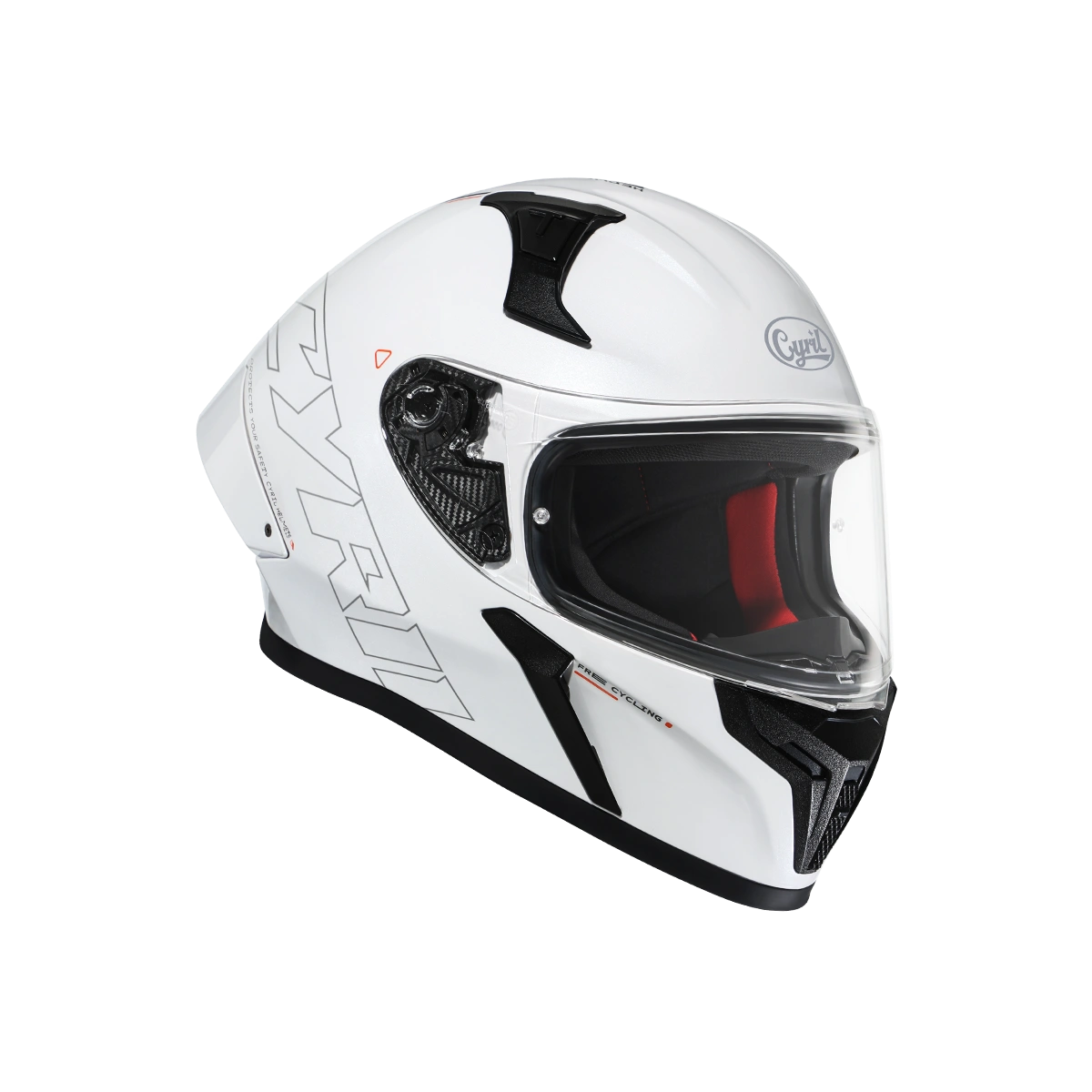
Mad Shark Full Face Helmet
The Mad Shark Full Face Helmet is relevant for weekend riders who want a regular road helmet to check before a Saturday ride, with active ventilation, clear visor view, removable washable liner, ABS shell construction, multi-layer EPS, and stated DOT FMVSS 218 information.
View Mad Shark
A128 Dual Visor Modular Helmet
The A128 Dual Visor Modular Helmet fits weekend riders comparing flip-up modular convenience for lunch stops, fuel stops, scenic pauses, a clear outer shield, inner sun visor use, wide-view comfort, removable washable liner, and stated DOT FMVSS 218 and ECE 22.06 information.
View A128
R1-PRO Full Face Helmet
The R1-PRO Full Face Helmet suits riders comparing a sport-inspired full-face profile for faster weekend stretches, with ventilation, magnetic visor release, removable washable liner, stated DOT FMVSS 218 and ECE 22.06 information, and a stable full-face shell profile.
View R1-PROWeekend riders should buy for the ride that actually happens: longer than planned, warmer than expected, with more stops, more storage gaps, and more late-ride comfort demands than a short try-on can reveal.
Common Questions About Weekend Rider Helmet Features
What helmet features matter most for weekend riders?
Fit consistency, visor clarity, ventilation, strap comfort, removable liner care, and storage-friendly design usually matter more than flashy features.
Should a weekend rider choose a full face or modular helmet?
Choose based on your route, stops, comfort needs, and fit. Full face helmets emphasize a fixed shell profile, while modular helmets can add convenience at stops.
Why does my helmet feel fine at first but annoying later?
Late discomfort can come from pressure points, strap rubbing, heat, wind lift, visor glare, glasses pressure, or liner areas that only bother you after longer wear.
Do occasional riders need a removable liner?
A removable washable liner can help if the helmet sits between rides, especially after sweaty or humid rides, but only if you dry and care for it properly.
How should I test a helmet before a weekend ride?
Wear it long enough to notice pressure, check visor clarity, fasten the strap, turn your head, operate vents, and think about your longest likely ride.
Is style less important for weekend helmets?
Style matters because you should like wearing the helmet, but it should not outrank fit, visibility, ventilation, storage care, and late-ride comfort.
Final Notes
Weekend riders do not need a complicated helmet formula. They need a helmet that stays comfortable after the first hour, handles changing conditions, stores cleanly between rides, and feels easy to check before a ride that may last longer than planned.