
Stuck Between Two Helmet Sizes? Fit Checks Before You Keep the Wrong One

Stuck Between Two Helmet Sizes? Fit Checks Before You Keep the Wrong One
Being between two motorcycle helmet sizes is frustrating because both choices can feel partly right. The smaller size may feel too tight at first. The larger size may feel comfortable immediately. The decision should come from fit stability, pressure points, cheek support, and how the helmet behaves after it settles.
If two motorcycle helmet sizes both seem to fit, do not choose only by first comfort. Compare crown pressure, cheek contact, helmet movement, strap position, visor view, and how each size feels after a longer indoor wear test. A helmet that feels roomy right away may become too loose after break-in, while a helmet with sharp pressure points may be the wrong shape or size. Test both carefully while return terms still allow a decision.
Why Two Helmet Sizes Can Both Feel Possible
Helmet sizing is not only a number on a chart. Head shape, cheek pad firmness, liner thickness, hairstyle, glasses, and break-in all affect how a helmet feels. That is why one size can feel tight but stable, while the next size up feels comfortable but moves more than it should.
This usually happens after an online order. The rider measured carefully, checked the size chart, and still lands near the boundary. The box arrives, the smaller size presses the cheeks and forehead, the larger size slides on easily, and the return window starts to feel like a countdown.
That countdown changes the decision. Riders start trying to convince themselves that one problem is acceptable because returning a helmet is inconvenient. The goal is to separate inconvenience from fit: the smaller size should not ask you to tolerate sharp pain, and the larger size should not ask you to ignore movement.
NHTSA's helmet fit guidance notes that riders should consider head shape and look for a helmet that feels snug around the crown and tight in the cheeks. Use that as a practical starting point, not a reason to ignore pain or movement: NHTSA helmet fit guidance.

Comfort Can Mislead
The larger size may feel better immediately because it has less contact, not because it fits better.
Pain Is Not Break-In
Sharp forehead, temple, or crown pressure can point to the wrong size or head shape.
Movement Matters
A helmet that slides, lifts, or rotates too easily may become worse as the liner settles.
When the Smaller Size Is Too Tight
A new helmet should feel snug, but snug does not mean painful. Cheek pressure is common, especially in a full-face helmet, but sharp pressure on the forehead, temples, crown, or back of the skull is different. A pressure point that appears quickly indoors often becomes more irritating on the road.
The smaller size may still be the right size if the pressure is even, the helmet sits level, the cheeks are supported, and no hard point appears after a longer indoor test. But if you are bargaining with yourself after five minutes, saying "maybe this will break in," pause before keeping it.

- Even cheek pressure can be normal; sharp pain at one spot is a warning sign.
- Forehead or temple pressure may point to a shape mismatch, not just a size issue.
- A helmet that leaves you wanting to remove it after a few minutes needs more testing.
- Check whether glasses, hair, seams, or neckwear are creating pressure before blaming the helmet.
- Do not expect severe pressure to disappear just because the liner will soften slightly.
When the Larger Size Is Too Loose
The larger size often wins the first try-on because it feels easy. It slides over the ears, gives the cheeks room, and does not create immediate pressure. The problem is that a helmet should not be chosen only by how easy it is to put on.
Loose fit usually appears through movement. The helmet rotates before your cheeks move. The chin bar lifts when you look up. The helmet shifts when you turn your head. The crown has small empty spaces that you notice after the liner warms up. If the larger size already moves indoors, it may feel worse after break-in, sweat, wind, or a longer ride.
Easy Is Not Enough
A helmet that feels effortless to put on may simply have too much room.
Movement Shows Early
Side-to-side rotation, lift, or sliding can reveal fit problems before the ride.
Break-In Goes Looser
Comfort padding usually settles with use, so a roomy fit rarely becomes tighter later.
Fit Tests Before You Keep One Size
Test both sizes the same way. Do not compare one size after thirty seconds with another after twenty minutes. Put each helmet on with the same hair, glasses, neckwear, and strap routine you would actually use while riding.
If you ordered online, keep everything clean and returnable while testing. Do not ride in a helmet you may return unless the seller clearly allows it. Indoor tests can still tell you a lot before you commit.
Make the comparison less emotional by writing down what happens. Note the time each size was worn, where pressure appeared, whether the helmet moved during the side-to-side test, and what you adjusted first. If you can, take a quick mirror photo from the side to compare whether each size sits level in the same way.

| Test | Smaller Size Passes If | Larger Size Fails If |
|---|---|---|
| Longer indoor wear | Pressure is firm but even, with no sharp pain after the test period. | It becomes loose, shifts position, or feels like it needs constant correction. |
| Side-to-side movement | Your skin and cheeks move with the helmet instead of the shell sliding alone. | The helmet rotates easily before your face moves with it. |
| Up-and-down movement | The helmet stays level without blocking vision or lifting at the rear. | The front lifts, drops, or changes your eye-port position too easily. |
| Strap fastened | The strap sits flat and the helmet remains stable without painful over-tightening. | You need to tighten the strap hard to make the shell feel stable. |
| Real gear test | Glasses, hair, and neckwear fit without creating hard pressure points. | The size only feels right with one exact hairstyle or layer setup. |
Return or Keep Decision Checklist
The best choice is not always the smaller size or the larger size. Sometimes the correct answer is a different head shape, a different model, or a return before you convince yourself to live with a poor fit.
A quick way to decide is to ask which problem you are trying to tolerate. If the smaller size gives sharp pain, you are tolerating pain. If the larger size moves around, you are tolerating instability. Neither is a good long-term buying reason.

- Keep testing if the smaller size is snug but not painful and the larger size feels slightly roomy.
- Return or exchange if one size creates sharp pressure and the other moves too much.
- Do not keep a helmet that slides just because it feels comfortable out of the box.
- Do not keep a helmet that hurts because you hope severe pressure will disappear.
- Check whether cheek pads, liner options, or model-specific fit guidance are available before deciding.
- Write down pressure and movement notes for each size instead of relying on first impressions.
- Use the return window early instead of waiting until the decision becomes inconvenient.
- If both sizes feel wrong for different reasons, try a different helmet shape or model.
Cyril Helmet Options to Compare When You Are Between Sizes
When you are between sizes, compare helmets by size guidance, cheek support, liner feel, strap comfort, eye-port position, and whether the helmet remains stable after a longer indoor fit test.
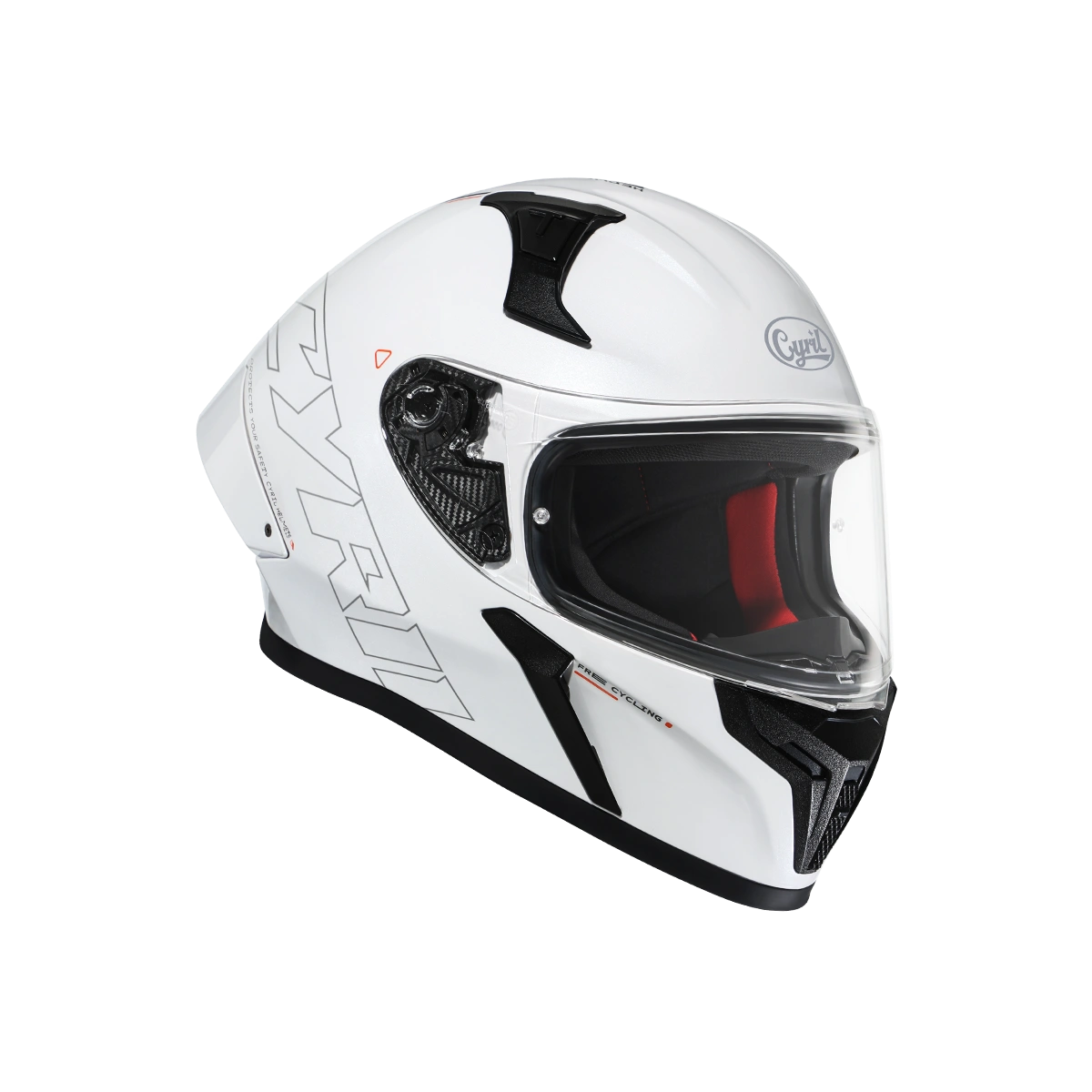
Mad Shark Full Face Helmet
The Mad Shark Full Face Helmet is relevant for riders comparing a daily full-face fit with active ventilation, clear visor view, removable washable liner, ABS shell construction, multi-layer EPS, and stated DOT FMVSS 218 information while using the product page to check current available sizes.
View Mad Shark
A128 Dual Visor Modular Helmet
The A128 Dual Visor Modular Helmet fits riders comparing modular convenience with clear outer shield use, inner sun visor comfort, wide-view feel, removable washable liner, and stated DOT FMVSS 218 and ECE 22.06 information while checking current sizes and fit stability between options.
View A128
R1-PRO Full Face Helmet
The R1-PRO Full Face Helmet suits riders comparing a sport-inspired full-face profile with ventilation, magnetic visor release, removable washable liner, stated DOT FMVSS 218 and ECE 22.06 information, and a stable full-face shell profile while reviewing current size availability before choosing.
View R1-PROIf two sizes both seem possible, do not rush to keep the one that feels easiest in the first minute. A good helmet fit should be snug, stable, and wearable without sharp pain. If one size hurts and the other moves too much, the better answer may be a different model, not a compromise.
Common Questions About Being Between Helmet Sizes
Should I choose the smaller or larger helmet size?
Choose the size that stays stable without sharp pressure. The smaller size is not automatically better, and the larger size is not automatically safer or more comfortable long term.
Is a new motorcycle helmet supposed to feel tight?
Yes, a new helmet should feel snug, especially at the cheeks, but it should not create sharp pain, numbness, or pressure that makes you want to remove it quickly.
Will a helmet break in if it feels too small?
Comfort padding may settle slightly, but severe pressure or obvious shape mismatch should not be treated as normal break-in.
How do I know if the larger helmet is too loose?
If the helmet rotates before your cheeks move, lifts easily, slides when you turn your head, or needs the strap over-tightened to feel stable, it may be too loose.
What if both helmet sizes feel wrong?
Try a different helmet shape or model. If one size hurts and the other moves, the issue may be shape compatibility rather than simply choosing between two numbers.
Can cheek pads fix a size problem?
Cheek pad options may help fine-tune some helmets, but they should not be used to excuse a crown fit that is clearly too loose or painful. Check model-specific options before deciding.
Final Notes
Being between helmet sizes is a decision problem, not a reason to guess. Test both sizes the same way, look for sharp pressure and excess movement, respect the return window, and choose the helmet that stays stable without asking you to tolerate pain.