
What Product Photos Should I Check Before Buying a Helmet?

What Product Photos Should I Check Before Buying a Helmet?
Before buying a helmet online, check photos that prove fit-related and use-related details, not just photos that make the shell look good. You want clear front, side, rear, interior, liner, strap, visor, vent, and label views. If the listing hides the inside, strap, visor hardware, or certification information, you are being asked to guess about the parts that matter after the box arrives.
Useful helmet photos show what you will actually inspect after delivery: the shell profile, eye port, chin bar, visor seal, vents, strap, liner, cheek pads, interior shape, and labels. A listing with only dramatic exterior angles is incomplete. Use photos together with the size chart, standards information, return rules, seller identity, and support path so you can make a cleaner decision before payment and still have a clear next step if the fit is wrong.
This guide combines Federal Trade Commission online shopping guidance, NHTSA motorcycle helmet fit materials, and official Cyril product information. The article was reviewed to keep photo-check advice practical, source-backed, and limited to verifiable product facts, with no invented price, discount, stock, return-window, size-range, certification number, or safety promise.
The Short Answer
The most important product photos are not the most dramatic ones. You need a straight front view, true side view, rear view, underside or interior view, cheek pad and liner view, chin strap view, visor mechanism view, vent detail view, and any label or standards-information view the page provides. These photos help you see whether the helmet is only styled well or actually documented well.
A quick test: imagine the helmet arrives and hurts your forehead after 20 minutes indoors. Could you use the listing photos to explain what you bought, where the liner sits, how the strap routes, and which feature you are asking support about? If the answer is no, ask for clarification before ordering.
Rider Persona: Grace - First Online Helmet Order. Grace rides a 30-minute commute and cannot try the helmet in person. She almost chose the listing with the best side beauty shot, then noticed it had no interior photo, no strap view, and no close-up of the visor hardware. She saved the clearer product page instead because it gave her a better path if fit support became necessary.
Why This Matters Online
Online helmet buying removes the in-store try-on, so photos have to carry part of the inspection work. A polished shell photo tells you little about cheek pads, liner access, strap routing, visor seal, or riding use. The FTC online shopping guidance recommends checking seller information and policies before paying; helmet buyers should apply that discipline to photos and support access.
For helmets, missing photo evidence can turn into a fit or return problem. A rider may discover too late that the cheek area is not what they expected, the visor mechanism is different from the marketing image, or the interior view was never shown clearly. Better photos do not guarantee fit, but they reduce avoidable surprises.
| Check Area | Why It Matters | What Good Evidence Looks Like |
|---|---|---|
| Fit evidence | Does the page help you choose size and shape? | Look for a size chart, measuring method, fit notes, and return instructions. |
| Product evidence | Can you verify what the helmet includes? | Check shell type, visor type, liner removability, ventilation, and published standards information. |
| Seller evidence | Do you know who is responsible after purchase? | Confirm support contact, return process, and whether the seller can answer helmet-specific questions. |
| Review evidence | Do reviews describe real use? | Prioritize comments about fit after rides, glasses, heat, noise, and returns over unboxing praise. |
| Arrival evidence | Can you document condition when it arrives? | Keep packaging, photograph labels and accessories, and test indoors before riding. |
What to Check Before Ordering
Read the photos in the same order you will inspect the helmet after delivery: outside shape first, then opening, liner, strap, visor, vents, labels, and included parts. Price comes later. A discount does not help if the photos hide the areas most likely to affect fit and daily use.

- Front view: check eye-port height, chin bar shape, and whether the helmet appears symmetrical.
- Side and rear views: check shell profile, lower edge coverage, vent placement, and whether the style matches your riding posture.
- Interior view: look for cheek pads, crown liner, ear area, strap path, and how easy the liner looks to inspect or remove if described as removable.
- Visor and vent close-ups: verify the clear shield, sun visor if listed, pivot area, seal line, and vent controls.
- Label and included-parts photos: compare what the photos show with the product description, standards information, accessories, and return policy.
Rider Persona: Maya - Comparing Two Similar Listings. Maya found two helmets with nearly identical side photos. One listing also showed the liner, strap, visor mechanism, rear view, and standards-information section. The other relied on cropped exterior images and short feature claims. She chose the clearer page because it reduced the number of unknowns before payment.
Red Flags That Deserve a Pause
Red flags do not always mean a helmet is bad. They mean the listing has not answered enough questions yet. Missing interior photos, inconsistent shell colors between images, unclear strap details, heavily edited lifestyle shots, or photos that avoid labels and hardware should slow the purchase down until support confirms the facts.

Claims Without Details
Broad marketing words are not enough. Look for concrete facts you can verify against your riding needs.
Only Exterior Images
Exterior beauty shots do not show liner depth, strap routing, visor mechanism, ear space, or glasses clearance.
No Fit Help Path
If you cannot find who answers fit questions, the return conversation may become harder if the helmet arrives wrong.
How to Protect the Fit Decision
Once the helmet arrives, compare it with the photos before treating the purchase as final. Check the visor, liner, strap, vents, labels, and included parts while the helmet is still clean and complete. Do not ride outside, install adhesive mounts, remove permanent labels, or discard packaging before your indoor fit decision is clear.

Use a 30-minute indoor test with the strap fastened and normal riding gear in place. If pressure appears at the forehead, temples, ears, cheeks, chin bar, or strap area, document the exact location and compare it with the listing photos. That gives support a concrete starting point instead of a vague complaint.
What to Save or Ask Support
Before ordering, ask support for any missing photo angle that affects your decision: interior, strap, visor pivot, liner, label, or modular mechanism. After delivery, save screenshots of the product page, order confirmation, size chart, return policy, support messages, and arrival photos. If a page changes later, your saved evidence protects the conversation.

Rider Persona: Lena - Support Before Return. Lena received a helmet that matched the exterior photos but had a liner shape she had not seen clearly online. She kept the packaging, repeated the indoor fit test, and sent support her head measurement plus photos of the helmet position and liner area. The return conversation was cleaner because she could show the exact gap between listing evidence and fit experience.
How to Apply This When Choosing
When comparing products, look for exterior angles, visor details, liner access, strap areas, and official product facts. The product card should send you back to verification, not replace it.
Best for Checking Everyday Helmet Details
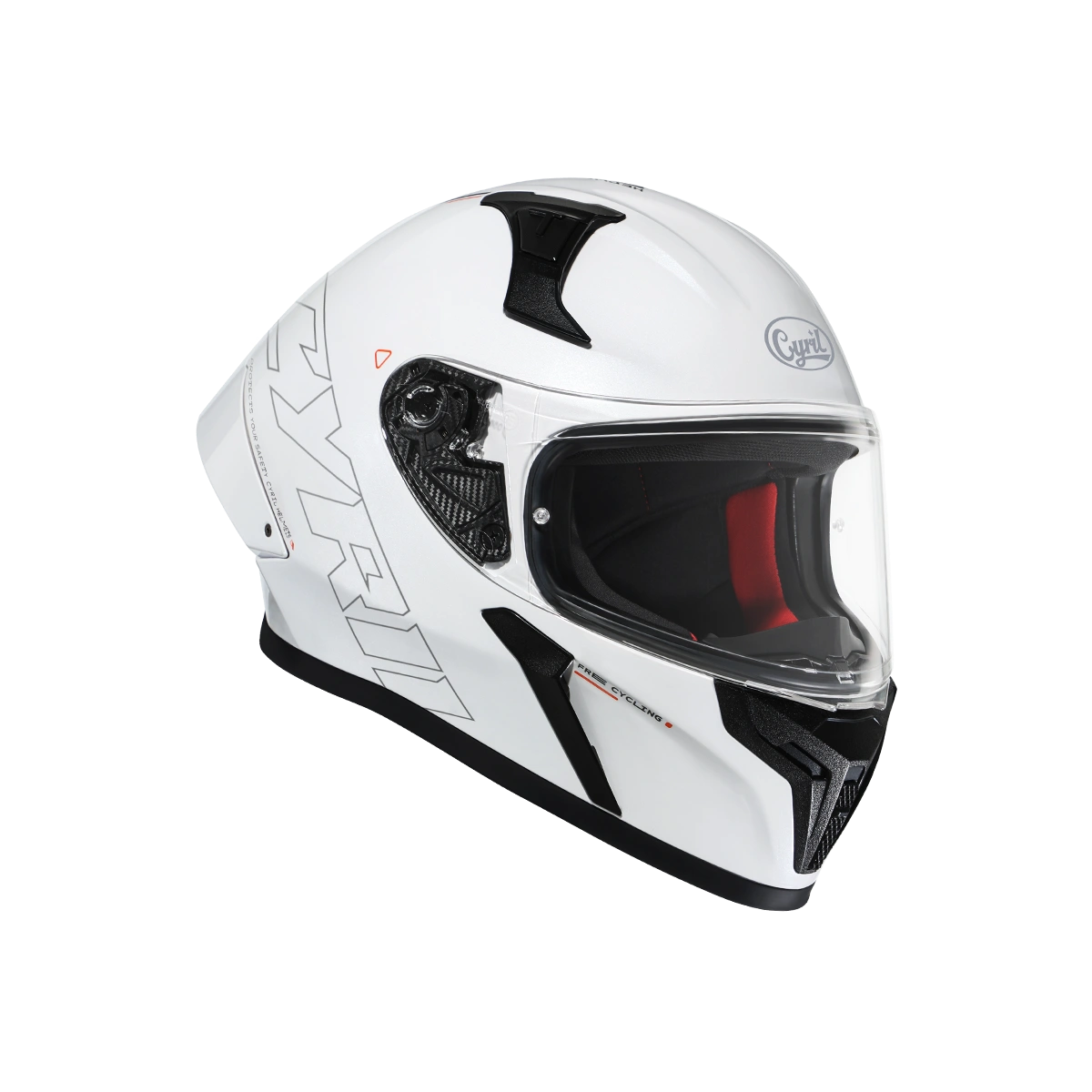
The Mad Shark is a full-face helmet with DOT / FMVSS 218 information, active ventilation, a clear visor view, and a removable washable liner. Check photos for full-face shape, visor area, vents, and liner access.
View Mad Shark
Best for Verifying Feature Photos
The R1-PRO is a full-face helmet with DOT / FMVSS 218 and ECE 22.06 information, magnetic visor release, ventilation, and a removable washable liner. Look for photos of visor function, vents, liner access, and shell profile.
View R1-PRO
Best for Inspecting Modular Mechanism Photos
The THUNDER is a dual visor modular helmet with flip-up convenience, dual visors, a removable washable liner, and DOT / FMVSS 218 and ECE 22.06 information. Review closed-shell, visor, liner, strap, and modular-mechanism photos.
View THUNDERCommon Questions About Helmet Product Photos
Are exterior helmet photos enough before buying?
No. Exterior photos show style, not liner depth, cheek pads, strap routing, visor hardware, ear area, or included parts.
Which interior helmet photos matter most?
Look for crown liner, cheek pads, ear area, chin strap routing, and underside views. These reveal fit contact points.
Should I ask for more photos before ordering?
Yes, if the missing angle affects fit, function, or return confidence. Ask for the interior, strap, visor mechanism, label, or included-parts photo before payment.
Can product photos prove a helmet will fit me?
No. Photos reduce uncertainty, but your head shape, measurement, hair, glasses, and posture still require a careful fit test after delivery.
What photo red flags should make me pause?
Pause if the listing hides the inside, crops straps or labels, shows inconsistent parts, or makes feature claims that are not visible anywhere.
Should I save product photos before buying?
Yes. Save screenshots or a PDF of photos and policy details. If the helmet arrives differently, saved evidence makes support cleaner.
Do customer photos matter more than brand photos?
Customer photos can reveal real-world angles, but official product pages are better for verified product facts. Use both when available.
What should I inspect when the helmet arrives?
Compare shell, visor, vents, liner, strap, labels, and included parts with the listing before riding. Keep packaging and test fit indoors first.
Final Notes
Treat the product page as evidence, not advertising. Verify what affects fit, use, and support before ordering, then inspect and test the helmet indoors before riding. The best online purchase gives you a clear next step even if the first size is wrong.