
Why Does My Helmet Hurt Around My Ears?

Why Does My Helmet Hurt Around My Ears?
Ear pain from a motorcycle helmet is more than an annoyance. It can cause headaches, make hearing difficult, and distract you from the road. The cause is usually the ear pocket design, pressure from the liner, or the helmet sitting too low. This guide shows you how to identify the cause and what to do about it.
Helmet ear pain usually comes from one of four causes: the ear pockets are too shallow or poorly positioned, the helmet sits too low and compresses the tops of your ears, the liner padding presses directly on the ear cartilage, or the helmet is too small and clamps the sides of your head. Most cases are fixable with repositioning or pad adjustment. Some require a different helmet model with better ear pocket design.
Ear-pressure recommendations in this guide were checked against NHTSA motorcycle helmet fit guidance, general rider training resources from MSF, and official Cyril product information. The final edit focused on practical ear-pocket checks, verified product facts, and careful wording: ear pain or numbness is a fit warning, not something a rider should normalize.
How Ear Pockets Work
Most full-face and modular helmets have recessed areas in the liner called ear pockets. These pockets create space around your ears so the helmet does not press directly on them. When the pockets are well-designed, your ears sit naturally inside them with minimal contact. When they are too shallow, too narrow, or positioned incorrectly for your ear placement, the liner presses against your ears.

Ear pocket quality varies significantly between helmet models. Some manufacturers design deep, spacious ear pockets that accommodate most ear sizes. Others minimize the pocket to save space or weight, which works for riders with smaller ears but causes problems for those with larger or more prominent ears.
The issue is not always the pocket depth. Sometimes the pocket is deep enough but positioned too high or too low relative to where your ears actually sit. A pocket that sits half an inch above your ear does nothing to protect it.
Rider Persona: Jake — Prominent Ears, Shallow Pockets. Jake has ears that sit slightly outward from his head. His first helmet had minimal ear pocket recesses. After thirty minutes of riding, the liner pressed his ears flat against his head, causing a dull ache that radiated to his temples. He switched to a helmet with deeper ear pockets and the problem disappeared.
Helmet Position and Ear Compression
A helmet that sits too low compresses the tops of your ears against the sides of your head. This is different from ear pocket pressure. The entire top rim of the helmet presses down on the upper ear cartilage, creating a pinching sensation.
The correct helmet position places the front edge one finger-width above your eyebrows. When the helmet drops below this line, the shell encroaches on ear space. Riders who pull the helmet down to feel more secure often cause this problem without realizing it.
A quick check: put the helmet on correctly and look in a mirror. If the bottom edge of the helmet opening sits below the bottom of your earlobe, the helmet is too low. Raise it until the ear sits centered in the helmet opening.

Liner Pressure on the Ears
Some helmet liners are designed with continuous padding across the ear area rather than recessed pockets. This padding presses directly on the ear, compressing it against the skull. Over time, this causes the ear to feel hot, numb, or painful.
Factors that make liner pressure worse:
- Thick liner foam that does not compress easily.
- Liner fabric that grips the ear rather than sliding over it.
- Earrings or piercings that create pressure points between the liner and the ear.
- Long rides where sustained pressure accumulates.

Rider Persona: Sarah — Earrings and Liner Pressure. Sarah wears small hoop earrings while riding. The liner padding pressed the hoops against the side of her head, creating sore spots behind her ears. Removing the earrings solved the immediate problem, but she also found a helmet with smoother liner fabric around the ear area, which reduced friction even when she wore studs.
Helmet Too Small: Side Clamping
When a helmet is too small, the entire shell clamps inward at the sides of your head. Your ears get caught in this compression. The pain is not localized to the ear pocket. It is part of a broader tightness that includes the temples and cheeks.
Signs that side clamping is the problem:
- Both ears hurt simultaneously and equally.
- The temples feel tight or pressured.
- Cheek pads compress your jaw.
- The helmet is difficult to put on or remove.
- Headaches start within the first ten minutes of every ride.
If three or more apply, the helmet is too small. Ear pain in this context is a symptom of overall shell compression. The solution is a larger size or a model with a wider internal profile.
Quick Checks to Find the Cause
| Symptom | Likely Cause | Quick Test |
|---|---|---|
| Pain at the top of the ear | Helmet too low | Raise helmet until front edge is one finger-width above eyebrows |
| Pain inside the ear cavity | Shallow or misaligned ear pocket | Check if ear sits inside the pocket or against the liner |
| Hot, numb feeling on the outer ear | Liner pressing directly on ear | Feel for continuous padding versus recessed pocket |
| Both ears plus temples and cheeks | Helmet too small | Check if helmet is difficult to put on or remove |
| Pain behind the ear | Earrings or helmet edge pressing | Remove earrings and check helmet position |

Fixes to Try
- Adjust helmet position. Raise the helmet so your ears sit centered in the opening.
- Remove earrings. Even small studs can create pressure points under liner padding.
- Check ear pocket alignment. Put the helmet on and feel where the pocket recess is relative to your ear. If misaligned, the helmet shape does not match your head.
- Try a thin skull cap. A thin layer between your ear and the liner can reduce friction and pressure.
- Swap to a model with deeper pockets. If the current helmet has minimal ear recesses, look for models known for generous ear pocket design.
Rider Persona: Mike — Thin Cap Solved It. Mike's helmet fit well everywhere except the ear area, where the liner created a hot, numb feeling after an hour. A thin moisture-wicking skull cap provided just enough buffer to eliminate the direct pressure without changing the helmet's overall fit. The solution cost less than ten dollars.
If ear pain has been your problem, prioritize helmets with deep, well-positioned ear pockets. Try the helmet on for at least fifteen minutes before committing. Move your jaw, tilt your head, and note whether your ears feel free or compressed. The right helmet protects your ears without you thinking about them.
Helmets With Comfortable Ear Clearance
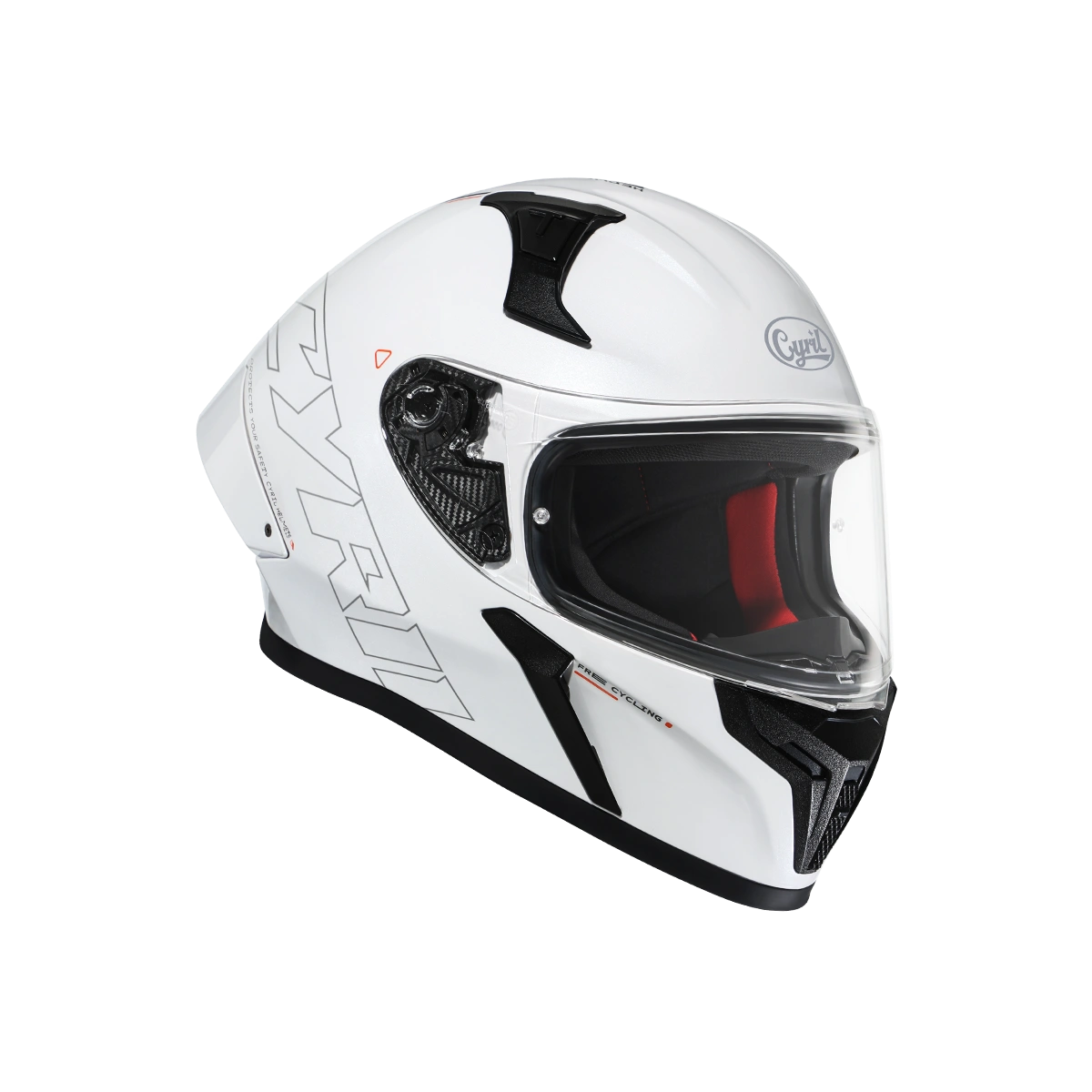
Best for Daily Commuters
Ear-pain checks on the Mad Shark should start with position, not guesswork. This full-face helmet lists DOT / FMVSS 218 information and a removable washable liner, so test whether your ears sit naturally in the opening before contacting support about interior parts.
View Mad Shark
Best for Sport Riders
The R1-PRO is a sport-profile full-face option with DOT / FMVSS 218 and ECE 22.06 information. Riders who use glasses, earplugs, or helmet speakers should test ear clearance with those items installed before deciding the fit works.
View R1-PRO
Best for Touring and Long Rides
For long rides with repeated comfort checks, the A128 offers a dual-visor modular format with DOT / FMVSS 218 and ECE 22.06 information. Its flip-up chin bar can make rest-stop checks easier, but ear pressure while the helmet is closed still means the ear pocket position and overall size need review.
View A128Common Questions About Ear Pain
Is ear pain normal with a new helmet?
No. Mild contact around the helmet opening can happen, but pain, numbness, or a burning sensation is not normal break-in. It usually means the ear pockets are misaligned, the liner is pressing directly on the ear, or the helmet is too small.
Can I wear earrings with a motorcycle helmet?
Small studs are usually fine. Hoops, dangles, or anything that protrudes can create pressure points. If you experience ear pain, remove earrings first to see if they are the cause. Consider putting earrings on after riding.
Will ear pain go away after break-in?
Only if caused by slightly firm liner foam. Pain from shallow ear pockets or a too-small shell will not improve. If ear pain persists after ten to fifteen hours of wear, the helmet is wrong for your head.
Can a skull cap help with ear pressure?
Yes. A thin moisture-wicking skull cap creates a smooth barrier between your ear and the liner. It can reduce friction, but it should not be used to hide a bad fit. This is a practical temporary fix but does not solve a fundamentally wrong fit.
Why do my ears hurt more on long rides?
Sustained pressure accumulates over time. What feels like mild pressure during a short ride becomes significant after an hour. Road vibration and helmet movement also contribute. If ear pain appears after thirty to sixty minutes, the ear pockets or liner design is the likely cause.
Should I size up for ear comfort?
Not automatically. First check helmet position and remove earrings. If the helmet is correctly positioned and ear pain persists, the ear pocket design may be incompatible with your ear shape. Sizing up can make the helmet loose overall. A different model with better ear clearance is usually the better solution.
Can Bluetooth speakers cause ear pain?
Yes, if the speakers press against your ears. Speakers that sit flush in the ear pockets should not cause pain. Speakers that protrude or are mounted incorrectly can press on the ear cartilage. Check speaker placement and consider thinner speakers if pressure occurs.
How do I check ear pocket fit before buying?
Put the helmet on and feel the area around your ears. There should be a clear recessed pocket that your ear sits inside without the liner pressing directly on it. Wear the helmet for ten to fifteen minutes and note any hot spots or numbness around the ears.
Final Notes
Ear pain is one of the most overlooked helmet fit problems because many riders assume it is part of wearing a helmet. It is not. Your ears should sit comfortably in well-designed pockets without pressure, heat, or numbness. If your helmet fails this test, reposition it, remove earrings, or try a different model. The helmet that fits your ears correctly is one you can wear for hours without a second thought.