
Are You Pulling Your Helmet On the Wrong Way? Liner Damage and Fit Problems Riders Miss

Are You Pulling Your Helmet On the Wrong Way? Liner Damage and Fit Problems Riders Miss
A motorcycle helmet can lose comfort and fit quality from small daily habits: yanking the chin straps outward, dragging the cheek pads across your ears, pulling on the visor, stuffing glasses in too early, or dropping the helmet onto a shelf after every ride.
Put on and remove a motorcycle helmet by using the straps as guides, spreading the opening only as much as needed, lowering the helmet evenly over the crown, and letting the cheek pads settle instead of forcing them past your face. Avoid pulling on the visor, chin curtain, breath guard, or liner edges. A rough routine can bend pads, loosen liner attachment points, create uneven cheek support, and make a helmet feel older than it is.
Why the Way You Put On a Helmet Matters
A helmet is designed to be worn snugly, so putting it on will never feel like slipping on a loose hat. That does not mean the right answer is force. Daily force usually shows up in small places first: cheek pads that fold outward, liner snaps that loosen, fabric that twists near the ears, or a chin curtain that keeps popping out of position.
The problem is easy to miss because the helmet still works in a basic sense. You can still fasten the strap, close the visor, and ride away. But if the helmet starts feeling uneven, louder, looser at the cheeks, or annoying around one ear, the issue may not be the original size. It may be the way the interior has been pulled, compressed, or shifted every day.
Snell's helmet FAQ notes that ordinary use, including putting helmets on and taking them off, contributes to wear on comfort pads and energy-absorbing liner over time. That does not mean every careful rider needs to worry about one normal use. It means a repeated rough routine has consequences, especially when a helmet is already snug: Snell helmet fit and liner information.

Cheek Support Shifts
Repeated dragging can fold, flatten, or twist cheek pads so they no longer feel even.
Attachment Points Loosen
Pulling on fabric edges can stress snaps, tabs, and removable liner sections.
Small Changes Add Up
A helmet that felt balanced when new can start feeling crooked or loose after rough handling.
Helmet Handling Mistakes That Wear the Liner Faster
Most liner problems do not come from one dramatic pull. They come from the same hurried motion before every commute: helmet in one hand, strap in the other, ears scraped by the cheek pads, visor half open, glasses already on, and the rider forcing everything into place at once.
You see it at gas stations and parking lots. The rider is holding gloves, keys, and a phone, the group is ready to leave, and the helmet gets pulled on in one sharp motion. Nothing looks broken afterward, but the same cheek pad folds again the next morning. That is how a handling habit becomes a fit problem.
A useful test is to notice what you use as a handle. The helmet shell and straps can guide the motion. The visor, breath guard, chin curtain, liner fabric, and cheek pad edges should not become the parts you pull from habit.

| Habit | Why It Causes Problems | Better Routine |
|---|---|---|
| Pulling the helmet on by the visor or chin bar trim | It can stress parts that are not meant to be daily handles. | Hold the chin straps and shell edges, then lower the helmet evenly. |
| Yanking the straps far apart | It can stress strap anchors and distort the opening more than needed. | Spread only enough to clear the ears and cheek pads. |
| Forcing glasses in before the helmet settles | Glasses can snag liner fabric or push cheek pads out of position. | Put the helmet on first, settle the pads, then slide glasses in carefully. |
| Dragging cheek pads hard over the ears | It can fold pads, twist fabric, and make one side feel thicker than the other. | Angle the helmet slightly, guide it down slowly, and let the pads compress evenly. |
| Pulling removable liner edges to adjust fit | Tabs, snaps, and fabric seams can loosen or sit crooked afterward. | Remove the helmet and reseat the liner section instead of tugging while wearing it. |
A Better Way to Put On a Motorcycle Helmet
Start with the small setup details. Open the visor if that gives you a clearer view of the opening, move hair flat, take glasses off, and make sure the chin strap is not tangled inside the helmet. If you use a balaclava or earplugs, settle those first so the helmet is not doing the job of pushing them into place.
Hold both straps near the lower opening, use them to guide the helmet, and lower it over the crown in one controlled movement. The goal is not to stretch the helmet wide open. The goal is to give the cheek pads enough room to pass your ears without folding, then let the helmet settle level on your head.
You know the motion is too rough when the same thing happens every time: one ear bends, one cheek pad flips, the neck roll catches hair, or you have to reach inside and pull the liner back down. That repeated correction is the part that wears the interior faster.

- Check that the straps are untwisted before lifting the helmet.
- Remove glasses before putting the helmet on, unless your helmet and eyewear routine already works cleanly.
- Hold the straps as guides rather than pulling on the visor, liner, breath guard, or chin curtain.
- Spread the opening only enough to clear the ears and cheek pads.
- Lower the helmet evenly over the crown instead of forcing one side down first.
- Let the cheek pads settle, then fasten the chin strap and check that the helmet sits level.
After fastening the strap, take ten seconds before the ride starts. Move the helmet gently side to side, open and close the visor once, then feel whether both cheek pads touch the same way. If you immediately need to reach inside and fix one area, remove the helmet and reset it instead of riding with the liner half twisted.
How to Take the Helmet Off Without Pulling the Interior Apart
Removing the helmet is where many riders get rough because the ride is over. Sweat, tired hands, earplugs, hair, glasses, and a warm liner all make the helmet feel stickier than it did when it went on. This is the moment when riders grab the lower edge and peel the helmet off like a tight hoodie.
Slow down the first two seconds. Unfasten the strap fully, remove glasses if needed, hold the straps, and lift the helmet upward with a slight forward angle. If an ear or cheek pad catches, pause and reset. Do not keep pulling until the pad folds out of place.
A quick way to judge your removal routine is to look inside the helmet after you set it down. If one cheek pad is twisted, the neck roll is folded, or a liner tab has popped loose, the helmet is telling you where the routine is too aggressive.
Unfasten First
A half-loosened strap can catch on the chin, neck warmer, or collar and make you pull harder.
Pause If It Snags
Forcing through one snag can fold the same liner area every ride.
Inspect the Interior
Twisted pads and loose tabs are early clues that handling, not sizing, may be the problem.
Fit Signs That Rough Handling May Be Changing the Helmet
A helmet interior naturally breaks in, but break-in should not feel like one side collapsing faster than the other. If the helmet was snug and balanced when new, then starts feeling uneven after weeks of rushed use, inspect the interior before assuming your head shape changed or the helmet was the wrong size.
Look for the small pattern: the left cheek pad always folds, one ear pocket feels higher, the strap sits differently after you tug it into place, or the helmet feels loose only after a few minutes. Those signs matter because fit depends on consistent contact around the crown, cheeks, and strap path.

- One cheek pad feels flatter, looser, or folded compared with the other side.
- The liner does not sit flush after you put the helmet on.
- A snap, tab, or liner edge keeps popping loose.
- The chin strap twists because it is being pulled from the same angle every day.
- The helmet feels snug at first but settles into an uneven or loose position during the ride.
- You often fix the same ear, hair, glasses, or cheek pad problem after the helmet is already on.
- The interior smells damp or feels crushed because the helmet is stored immediately after rough removal.
Cyril Helmet Options to Compare for Daily On-Off Routines
If your helmet feels difficult to put on or remove, compare helmets by opening shape, cheek support, strap access, visor handling, removable liner care, and whether the helmet still settles evenly after your real daily routine.
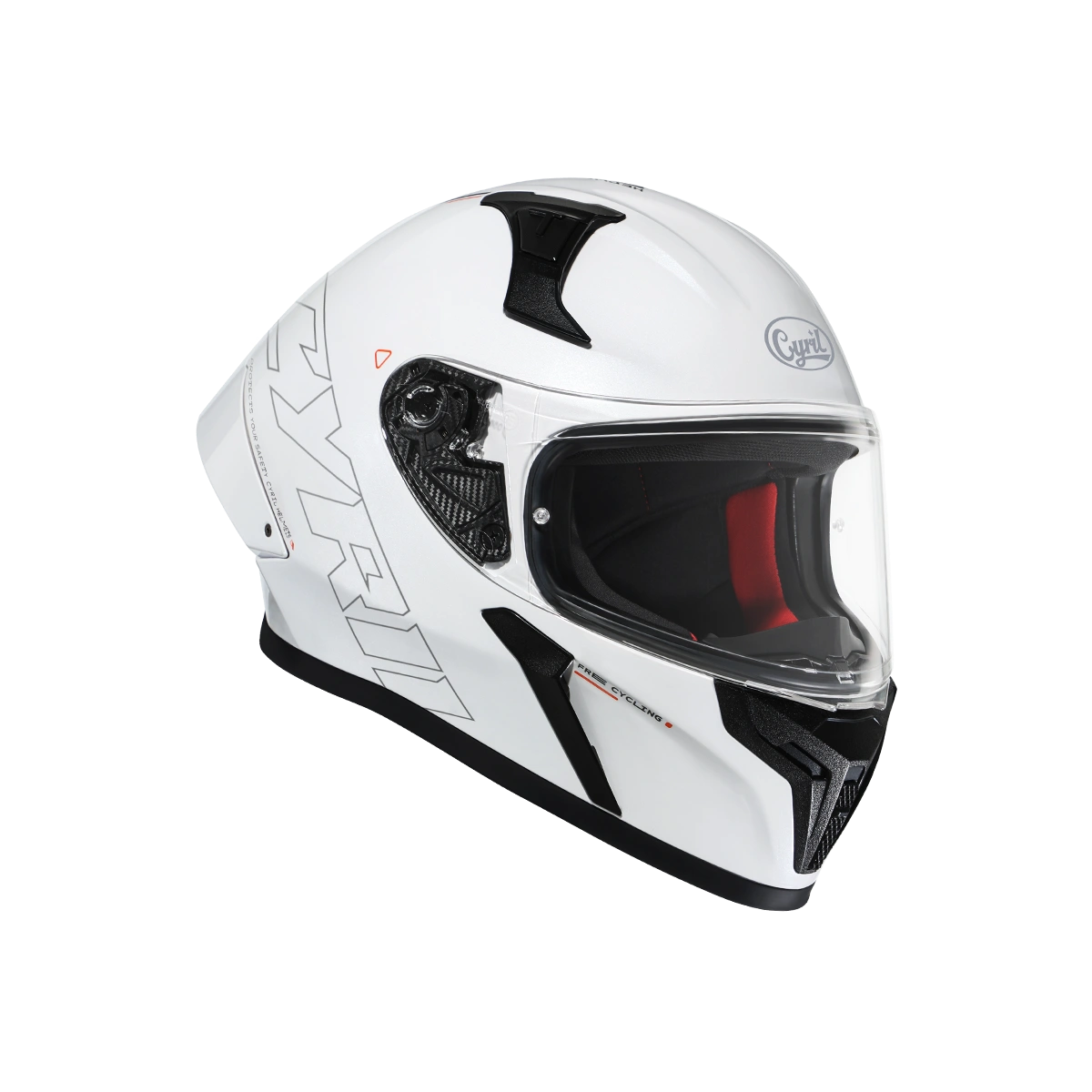
Mad Shark Full Face Helmet
The Mad Shark Full Face Helmet is relevant for commuters who put a helmet on and off often, then want to compare active ventilation, clear visor view, removable washable liner, ABS shell construction, multi-layer EPS, and stated DOT FMVSS 218 information without guessing at daily care needs.
View Mad Shark
A128 Dual Visor Modular Helmet
The A128 Dual Visor Modular Helmet fits riders comparing flip-up modular convenience for frequent stops, clear outer shield use, inner sun visor comfort, wide-view feel, removable washable liner, and stated DOT FMVSS 218 and ECE 22.06 information, especially when stop-and-go routines make handling feel important.
View A128
R1-PRO Full Face Helmet
The R1-PRO Full Face Helmet suits riders comparing a sport-inspired full face profile with magnetic visor release, ventilation, removable washable liner, stated DOT FMVSS 218 and ECE 22.06 information, and a stable full-face shell profile when visor access and interior consistency both matter.
View R1-PROIf the helmet only feels easy to put on when you yank the straps wide, crush one cheek pad, or pull from the visor, pause before blaming the size. A better routine can preserve liner shape and make the same helmet feel more consistent ride after ride.
Common Questions About Putting On and Removing a Motorcycle Helmet
Can pulling a helmet on roughly damage the liner?
Repeated rough handling can wear comfort pads, twist removable liner sections, loosen tabs, or flatten one area faster than another. One normal put-on is not the issue; the repeated habit is.
Should I pull the chin straps outward when putting on a helmet?
You can use the straps to guide the opening, but do not yank them farther than needed. Spread just enough to clear your ears and cheek pads, then lower the helmet evenly.
Why do my cheek pads fold when I put my helmet on?
The helmet may be moving down at an angle, your ears or glasses may be catching the pads, or the liner may need to be reseated. Remove the helmet and reset the pads instead of tugging them while wearing it.
Can I pull a helmet off by the visor?
No. The visor is not a removal handle. Unfasten the strap fully, use the straps and shell to guide the helmet, and lift it off without pulling from movable trim or shield parts.
Is a helmet too small if it is hard to put on?
Not always. A snug helmet can feel tight going past the cheeks. Judge fit after it settles level on your head, then check pressure points, cheek support, strap position, and movement.
Can I ride if a liner snap or cheek pad pops loose?
Do not ignore it. Stop, remove the helmet, reseat the liner or cheek pad correctly, and check that the helmet still fits evenly before riding. If a part will not stay in place, inspect it before using the helmet again.
What should I check after removing my helmet?
Look for folded cheek pads, loose liner tabs, twisted straps, damp fabric, trapped hair, or anything that changed position during removal. Those clues help you fix the routine early.
Final Notes
A careful helmet routine is not about treating the helmet like a fragile object. It is about keeping the interior shape consistent. Use the straps as guides, avoid pulling from movable parts, let the cheek pads settle, and inspect the liner when the helmet starts feeling different from one ride to the next.