
Before Every Ride: Helmet Problems You Can Catch in 60 Seconds

Before Every Ride: Helmet Problems You Can Catch in 60 Seconds
A quick helmet check is not about turning every ride into a workshop inspection. It is about catching the small problems that make the first mile harder: a loose strap, dirty visor, shifted liner, blocked vent, missing snap, or helmet that suddenly does not sit the way it did yesterday.
Before every motorcycle ride, spend about 60 seconds checking the helmet shell, visor clarity, vents, liner position, cheek pads, chin strap, and final fit after fastening. Look for cracks, loose parts, blocked vision, twisted straps, liner sections that popped loose, and any change that makes the helmet move, hurt, or distract you. If something feels different from normal, fix it before rolling away.
Why a 60-Second Helmet Check Matters
Most riders already do some kind of quick pre-ride scan. They glance at tires, lights, fuel, gloves, phone, keys, and weather. The helmet deserves the same habit because it is the one item you rely on every mile, yet it often gets picked up and put on without a second look.
The Motorcycle Safety Foundation's T-CLOCS checklist is built around the idea of checking important motorcycle systems before a ride. Your helmet is not part of the motorcycle, but the same mindset applies: a small issue is easier to fix before leaving than after you are already moving. For the broader pre-ride habit, see the MSF T-CLOCS pre-ride inspection checklist.
A helmet problem often announces itself late. You notice the strap is twisted after you pull onto the street. The visor smear becomes obvious when sun hits it. A loose cheek pad starts rubbing after the first turn. The 60-second check is meant to catch those boring problems while they are still easy to correct.
This is especially useful on ordinary mornings, not only long trips. When you are already late, the garage door is closing, and gloves are half on, you are more likely to accept a strap that feels "good enough." That is exactly when a short, repeated routine helps because you do not have to decide what to check from scratch.

Visibility Comes First
A dirty or scratched visor can become a problem when sun, rain, or headlights hit it.
Fit Changes Show Up Fast
A liner tab, cheek pad, hairstyle, or strap twist can change how the helmet sits.
Small Problems Are Easier Parked
It is better to reseat a liner or clean a visor before the ride becomes distracting.
Check the Outside Before You Put the Helmet On
Start with the shell and hardware while the helmet is still in your hands. This is not a crash investigation. It is a quick scan for changes since the last ride: a new scrape, a loose trim piece, a visor screw that looks different, a vent slider stuck half open, or a chin curtain hanging out.
The phrase to keep in mind is simple: different from normal. You know how your helmet usually looks, closes, sounds, and feels. If one piece suddenly catches your eye, the visor takes more force than usual, or a vent no longer clicks the same way, do not ignore it just because the ride is short.
Pay extra attention if the helmet was stored in a garage, trunk, locker, top box, or on a crowded shelf. A helmet can pick up damage, dust, or loose parts while it is not being worn. If it was dropped, hit, or stored under weight, treat that as a separate inspection instead of a normal daily check.

- Look over the shell for new cracks, deep gouges, or damage that was not there before.
- Check that the visor opens, closes, and locks or seats the way it normally does.
- Move vent controls and confirm they are not stuck with dust, bug residue, or broken tabs.
- Check trim, breath guard, chin curtain, and rubber seals for loose or shifted pieces.
- Look at strap rivets, buckles, and visible webbing for fraying, twisting, or damage.
- Make sure no keys, tools, gloves, or accessories were stored against the visor or liner.
Check Visor Clarity Before the Road Checks It for You
A visor can look acceptable indoors and turn annoying on the road. Low sun exposes smears. Night riding exposes scratches. Rain makes residue spread. Cold weather turns breath moisture into fog. Before you ride, look through the visor toward a bright area and then a darker area, not only at the visor from the outside.
The goal is not to make the shield perfect every time. The goal is to catch anything sitting in your central view. If you already know you will be riding toward sunset, through mist, or after dark, this part of the check matters more than usual.

| What You See | Why It Matters | What to Do Before Riding |
|---|---|---|
| Bug residue or dried rain spots | They can spread across your view when the visor gets wet or foggy. | Clean gently before the ride instead of wiping while stopped in traffic. |
| Fine scratches in the center | They can create glare from sunlight or headlights. | Check in bright and low light; replace the visor if visibility is distorted. |
| Fog forming quickly | Airflow, breath direction, or cold shield temperature may become a distraction. | Check vent settings, breath guard position, and whether your neck layer blocks airflow. |
| Visor does not seal evenly | Wind, water, or noise may increase during the ride. | Inspect the hinge, seal, and closing position before leaving. |
| Tinted or dark shield for low light | It may reduce visibility at dusk, night, or in rain. | Use a shield setup appropriate for the ride conditions. |
Check Liner, Cheek Pads, and Strap After the Helmet Is On
The most important fit check happens after the helmet is on and fastened. A liner can look fine in your hands but fold near one ear. A cheek pad can sit slightly out of place. A strap can twist under the jaw. You only catch those problems by wearing the helmet for a few seconds before leaving.
NHTSA's helmet fit guidance explains that a helmet should feel snug around the crown and tight in the cheeks, with a sturdy chin strap system on helmets meeting the DOT standard. Use that as a practical reminder: your daily helmet check is not complete until the helmet is fastened and sitting correctly on your head. See NHTSA helmet fit guidance for broader fit advice.
A quick way to tell is to ask what you want to adjust first. If your first instinct is to loosen the strap, push the helmet down, pull one cheek pad, or tilt the shell away from a pressure point, something in the setup needs attention before the ride.
- Fasten the strap fully and check that it is not twisted or sitting on top of thick fabric.
- Move the helmet gently side to side; your skin and head should move with it, not just the shell.
- Check that both cheek pads feel even and are not folded near the ears.
- Confirm the helmet sits level and does not block your normal forward view.
- Turn your head for a shoulder check and make sure jacket collars or neckwear do not catch.
- Listen for loose parts, rattling, or liner movement that was not there before.
The 60-Second Motorcycle Helmet Checklist
Use the same order every time so the check becomes automatic. The point is not to stare at the helmet for five minutes. The point is to build one short routine that catches the common problems before they follow you onto the road.
If the routine finds a problem, avoid the temptation to "just ride carefully." A dirty visor, twisted strap, stuck vent, or folded cheek pad is not fixed by riding slower. Fix what you can, switch gear if needed, or delay the ride long enough to understand what changed.

| Time | Check | Stop If You Notice |
|---|---|---|
| 0-10 seconds | Shell, trim, vents, visor hinge, strap hardware | New crack, loose piece, broken vent, damaged strap, or anything different from normal. |
| 10-20 seconds | Look through the visor in bright and dark areas | Central smear, deep scratch, fogging, glare, or shield that does not close correctly. |
| 20-35 seconds | Put helmet on and settle liner, cheek pads, and hair or glasses | Folded pad, trapped hair, pressure point, ear snag, or liner tab out of place. |
| 35-50 seconds | Fasten strap and check movement | Twisted strap, buckle discomfort, helmet sliding, or strap sitting over bulky fabric. |
| 50-60 seconds | Turn head, open visor, touch vents, and confirm final comfort | Restricted shoulder check, hard-to-use control, blocked view, or immediate distraction. |
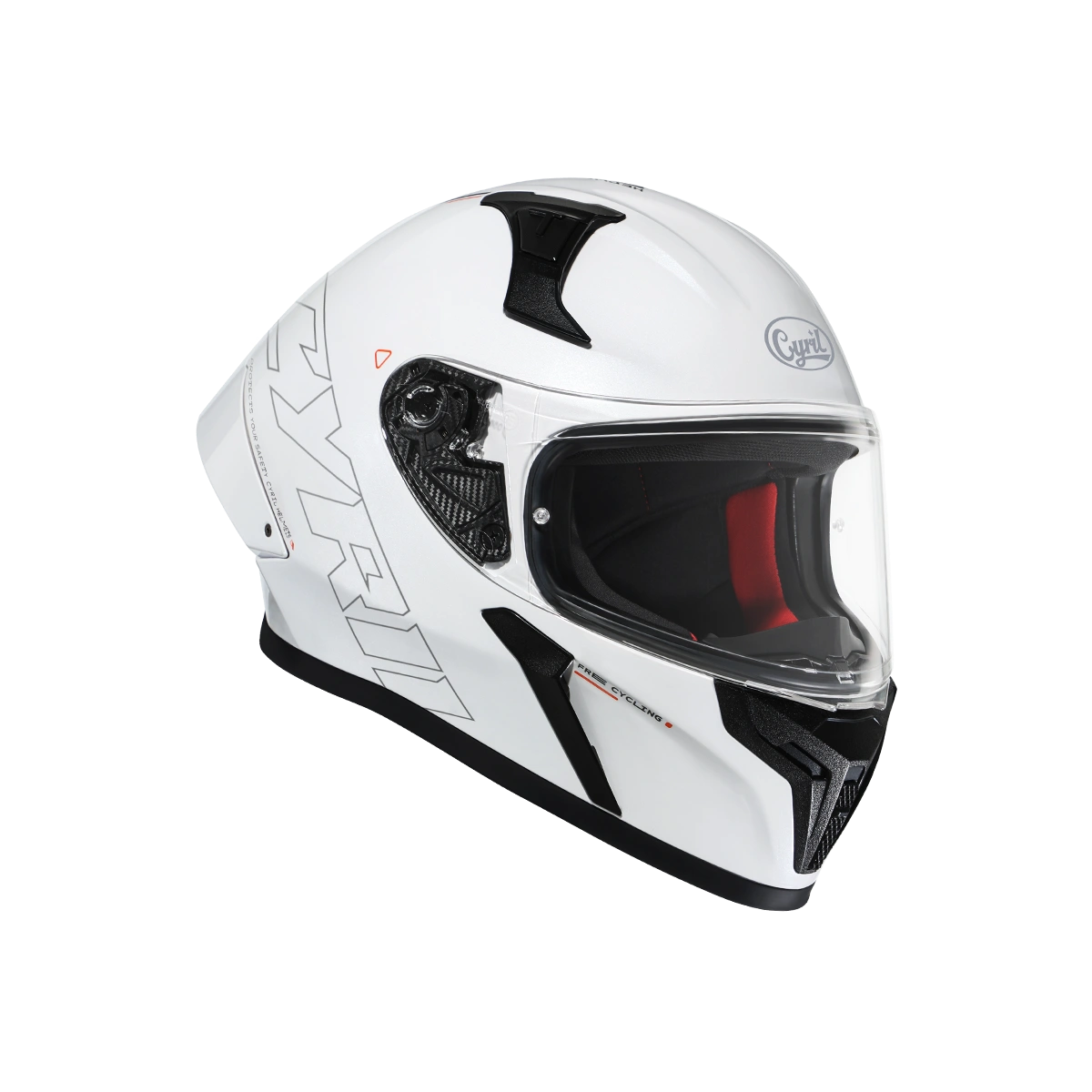
Cyril Helmet Options to Compare for Everyday Pre-Ride Checks
When comparing helmets for everyday use, think about how easy they are to check before leaving: clear visor view, accessible vents, stable cheek support, removable liner care, strap comfort, and whether the helmet settles consistently with your normal riding gear.
Mad Shark Full Face Helmet
The Mad Shark Full Face Helmet is relevant for daily riders who want a full-face helmet they can check quickly before commuting, including active ventilation, clear visor view, removable washable liner, ABS shell construction, multi-layer EPS, and stated DOT FMVSS 218 information.
View Mad Shark
A128 Dual Visor Modular Helmet
The A128 Dual Visor Modular Helmet fits riders comparing flip-up modular convenience, a clear outer shield, inner sun visor use, wide-view comfort, removable washable liner, and stated DOT FMVSS 218 and ECE 22.06 information before frequent commuting or stop-heavy rides where visor and strap checks happen often.
View A128
R1-PRO Full Face Helmet
The R1-PRO Full Face Helmet suits riders comparing a sport-inspired full face profile with magnetic visor release, ventilation, removable washable liner, stated DOT FMVSS 218 and ECE 22.06 information, and a stable full-face shell profile when quick visor and fit checks are part of the routine.
View R1-PROA 60-second helmet check should feel boring. That is the point. If the visor is clear, the strap is flat, the liner is seated, the helmet sits level, and nothing feels different from normal, you can leave without turning the first mile into a troubleshooting session.
Common Questions About Motorcycle Helmet Pre-Ride Checks
Should I check my motorcycle helmet before every ride?
Yes. A short check helps catch loose straps, dirty visors, shifted liners, blocked vents, and fit changes before they distract you on the road.
What helmet problems can I find in 60 seconds?
You can usually catch obvious shell changes, visor smears, loose trim, stuck vents, folded cheek pads, twisted straps, and a helmet that no longer sits level or stable.
Do I need to inspect the helmet shell every time?
A quick visual scan is enough for normal daily use. If the helmet was dropped, hit, or stored under pressure, do a more careful inspection before riding.
Why does my helmet feel different today?
Common reasons include a shifted liner, folded cheek pad, different hairstyle, glasses, neckwear, strap twist, or a helmet that has loosened with use.
Should I ride if the chin strap feels wrong?
No. Stop and fix the strap position first. A twisted, loose, painful, or fabric-blocked strap can distract you and may keep the helmet from sitting correctly.
What is the fastest helmet check before commuting?
Look over the shell, look through the visor, put the helmet on, fasten the strap, move the helmet gently, turn your head, and confirm that nothing feels different from normal.
Final Notes
The best helmet check is the one you actually do. Keep it short, repeat it in the same order, and pay attention to anything that changed since the last ride. A clear visor, seated liner, flat strap, stable fit, and easy head turn are simple checks, but they remove many small distractions before the ride begins.