
Cold Weather Makes Your Helmet Fog, Feel Tight, or Distracting? What to Check Before Riding

Cold Weather Makes Your Helmet Fog, Feel Tight, or Distracting? What to Check Before Riding
A cold morning can make a motorcycle helmet feel different from the same helmet on a warm afternoon. Fog builds faster, vents feel harder to judge, a neck warmer changes the fit, and thick gloves can turn simple visor adjustments into distractions.
Before riding in cold weather, check whether your visor fogs when you breathe normally, whether your balaclava or neck warmer changes helmet fit, whether the chin strap still sits correctly, whether vents and visor controls can be operated with gloves, and whether your view stays clear when you turn your head. Cold-weather comfort is not only about warmth; it is about keeping the helmet stable, usable, and less distracting.
Why Cold Weather Changes How Your Helmet Feels
A motorcycle helmet is not separate from the weather around it. Cold air changes how much moisture collects on the visor, how quickly your face feels chilled, how stiff the liner feels at first, and how much clothing you add around your head and neck.
The same helmet can feel fine on a dry, mild ride and frustrating on a 40-degree morning. You leave the garage with the visor clear, roll to the first stop sign, breathe out once or twice, and the lower half of the shield starts to turn white. Then you crack the visor open, cold air hits your eyes, and the helmet becomes the thing stealing attention from the road.
Cold-weather helmet checks should be practical. You are not trying to create a perfect winter setup in the driveway. You are trying to catch the problems that make you ride with one hand adjusting the visor, one shoulder raised against cold air, or a chin strap that no longer sits right because of a bulky neck layer.

Breath Builds Faster
Warm breath meets a cold shield, so fog can appear before the ride has really started.
Layers Change Fit
Balaclavas, gaiters, and jacket collars can lift the helmet or change strap comfort.
Gloves Slow Adjustments
Small vent sliders and visor tabs are harder to find when your fingers are insulated.
Fogging Is Only One Cold-Weather Helmet Problem
Fogging is the obvious complaint, but cold-weather helmet problems usually come as a group. A rider may close every vent to stay warm, trap more breath inside the helmet, crack the visor for airflow, then spend the next ten minutes blinking against cold air. The real problem is the balance between warmth, airflow, and clear vision.
Do a short fog test before you leave. Put on the helmet with your normal cold-weather layers, close the visor, breathe through your nose and mouth the way you do when stopped, then look through the shield for thirty seconds. If the center of your view clouds immediately in the driveway, it will probably be worse at a red light or in slow traffic.
This is the moment many riders start making tiny compromises: riding with the visor cracked wider than they want, wiping the inside of the shield with a glove, or lifting the chin to breathe downward. Those fixes may get you through a minute, but they also tell you the setup needs attention before a longer ride.

| Cold-Weather Symptom | What It Usually Means | What to Check First |
|---|---|---|
| Visor fogs at the first stop | Breath moisture is trapped faster than airflow can clear it. | Breath deflector position, visor seal, vent setting, and whether a neck layer blocks airflow. |
| Helmet suddenly feels tight | A balaclava, beanie, or thick seam is adding pressure under the liner. | Layer thickness, seam location, forehead pressure, and whether the helmet still sits level. |
| Chin strap rubs or pinches | Neck warmer, collar, or scarf bulk is changing the strap path. | Fasten the strap with all winter layers on, then turn your head both ways. |
| Vents are hard to use | Gloves are too thick for small helmet controls. | Practice opening the visor and adjusting vents before rolling away. |
| Vision narrows when turning | Collar or neck layer may restrict head movement. | Shoulder checks, mirror checks, and whether the helmet contacts your jacket collar. |
Fit Checks When You Wear a Balaclava or Neck Warmer
Winter layers can make riders solve one problem while creating another. A balaclava keeps cold air off the skin, but a thick seam across the forehead can become a pressure point. A neck gaiter seals cold air at the chin, but it can also bunch under the strap or push the helmet upward at the rear.
Do not assume a helmet still fits correctly just because it fit in summer. NHTSA's motorcycle helmet guidance notes that a correctly sized helmet should be snug without uncomfortable pressure points and should not move when you shake your head. That fit principle still matters when you add cold-weather gear, so use winter layers as part of the fit test, not as an afterthought: NHTSA helmet fit guidance.
If you feel pressure after only five minutes indoors, do not bargain with it by saying the liner will warm up later. Cold rides often make small pressure points feel larger because your face, ears, and forehead are already dealing with temperature stress.
The opposite problem matters too. Some smooth winter liners reduce the grip between your head and the comfort liner, especially if the helmet was already on the loose side. If the helmet moves more with a balaclava than it did without one, do not solve that by tightening the strap until it hurts. Recheck the layer, the size, and the way the helmet sits.

- Put on every layer you will actually ride with before checking helmet fit.
- Keep balaclava seams away from the forehead, temples, and crown pressure zones.
- Fasten the chin strap over winter layers and confirm it sits flat under the jaw.
- Turn your head left and right to make sure the jacket collar does not push the helmet.
- Shake your head gently and check that the helmet does not slide because a smooth layer reduced grip.
- Check that the helmet does not feel acceptable only when the neck warmer is folded in one exact position.
- Remove hard clips, thick knots, bulky earbuds, or anything that creates a lump under the liner.
Vent, Visor, and Glove Checks Before You Leave
The most overlooked cold-weather test is not whether the helmet feels warm. It is whether you can operate it while dressed for the ride. A vent slider that is easy with bare fingers may disappear under thick winter gloves. A visor tab that feels obvious indoors may be hard to find when your hands are cold.
Before rolling away, sit on the bike with gloves on and run the exact sequence you might need at a stop: crack the visor, close it, open the chin vent, adjust the top vent, and lower or raise any sun visor if your helmet has one. If you cannot do it cleanly while parked, you should not expect it to feel easier in traffic.
Pay attention to the small delay between wanting an adjustment and actually making it. In cold weather that delay grows quickly: thick gloves, stiff fingers, a fogged visor, and a short traffic light can turn one simple control into a distraction at the worst time.
A quick way to judge your setup is to ask where your attention goes during the first mile. If you keep reaching for the visor, hunting for the vent, or lifting your chin to clear fog, the helmet setup is not settled yet.
Visor Tab
Find it with gloves before riding, especially if you expect stop-and-go fogging.
Chin Vent
Know whether it is open, closed, or partly open before your breath starts clouding the shield.
Collar Clearance
Turn your head fully and make sure the helmet does not catch on thick jacket material.
Cold-Weather Motorcycle Helmet Checklist
Use this checklist before a cold ride, especially the first time temperatures drop for the season. The first ride after a warm month is when many riders discover that their winter layers, gloves, and helmet controls do not work together as well as expected.

- Close the visor and breathe normally for thirty seconds to see how quickly fog builds.
- Check that your breath deflector, chin curtain, or neck warmer does not block needed airflow.
- Confirm the helmet sits level with your balaclava, gaiter, scarf, or jacket collar in place.
- Fasten the strap and check for rubbing, pinching, or trapped fabric under the buckle.
- Operate the visor, vents, and any sun visor while wearing your actual riding gloves.
- Turn your head for shoulder checks and confirm your collar does not restrict vision.
- Check that the visor is clean enough for low sun, wet roads, and headlight glare.
- Start with a short ride after changing winter gear instead of discovering problems far from home.
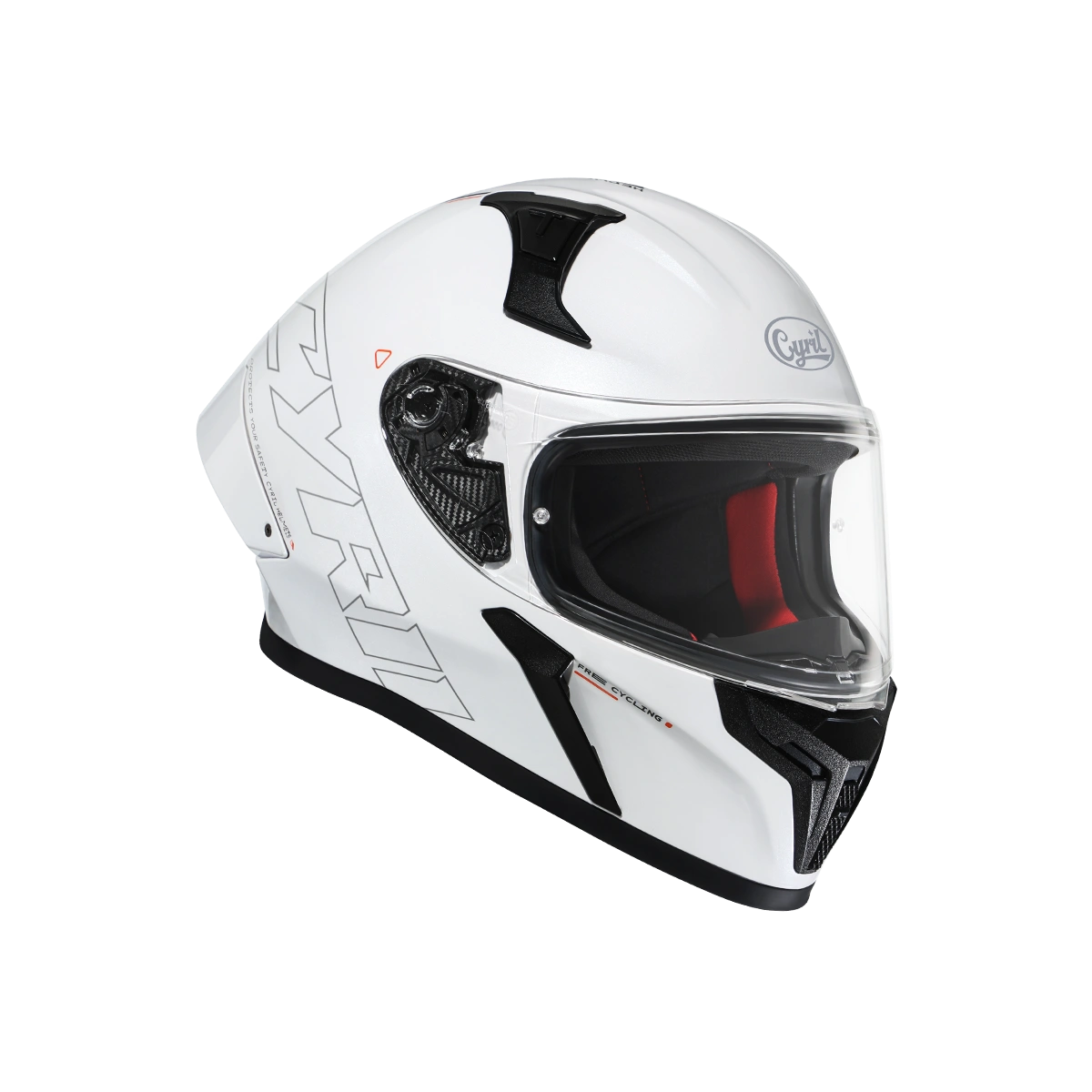
Cyril Helmet Options to Compare for Cold-Weather Comfort
When cold-weather riding exposes helmet problems, compare helmets by fit stability with your real layers, visor clarity, ventilation control, liner care, and how easy the helmet is to manage at stops without turning every adjustment into a distraction.
Mad Shark Full Face Helmet
The Mad Shark Full Face Helmet is relevant for regular road riders comparing a full-face profile with active ventilation, clear visor view, removable washable liner, ABS shell construction, multi-layer EPS, and stated DOT FMVSS 218 information for daily cold-weather checks.
View Mad Shark
A128 Dual Visor Modular Helmet
The A128 Dual Visor Modular Helmet fits riders who want to compare flip-up modular convenience at stops, a clear outer shield, inner sun visor use, wide-view comfort, removable washable liner, and stated DOT FMVSS 218 and ECE 22.06 information.
View A128
R1-PRO Full Face Helmet
The R1-PRO Full Face Helmet suits riders comparing a sport-inspired full face profile with ventilation, magnetic visor release, removable washable liner, stated DOT FMVSS 218 and ECE 22.06 information, and a stable full-face shell profile for cooler rides.
View R1-PROIf a cold-weather layer makes the helmet loose, lifted, painful, or hard to operate, treat that as a setup problem before the ride. The right decision may be changing the layer, adjusting the vent routine, shortening the first ride, or comparing a helmet that works better with your actual cold-weather gear. Warmth helps only when the helmet still fits correctly and lets you keep your view clear.
Common Questions About Cold Weather Motorcycle Helmets
Why does my motorcycle helmet fog more in cold weather?
Cold shields make warm breath moisture condense faster. Fog can get worse when vents are closed, a neck warmer blocks airflow, or the visor is already dirty.
Can I wear a balaclava under a motorcycle helmet?
Yes, if it is thin enough not to change fit, create pressure points, lift the helmet, or interfere with the chin strap. Test it with the helmet fastened before riding.
Should I close all helmet vents to stay warm?
Not always. Closing every vent may trap breath moisture and make fogging worse. Try a setting that balances warmth with enough airflow to keep your view usable.
Why does my helmet feel tighter when I ride in winter?
The helmet may feel tighter because of a balaclava seam, thicker hair layer, scarf, neck gaiter, or jacket collar pressing under the liner or strap area.
Should I buy a larger helmet for winter layers?
Not automatically. A larger helmet may feel easier with thick layers but become unstable when those layers compress or when you ride without them. Start with thinner, smoother layers and repeat the fit check before changing helmet size.
What should I test before a cold motorcycle ride?
Test visor fogging, strap position, winter layer fit, vent operation with gloves, shoulder-check movement, and whether the visor is clean enough for glare and low light.
Final Notes
Cold weather does not automatically require a different helmet, but it does require a different pre-ride check. If your visor fogs immediately, your winter layers change the fit, or your gloves make the helmet hard to operate, fix that setup before the ride becomes a string of small distractions.