
Why Your Helmet Visor Gets Scratched So Fast: Cleaning and Storage Mistakes Riders Miss

Why Your Helmet Visor Gets Scratched So Fast: Cleaning and Storage Mistakes Riders Miss
A motorcycle helmet visor usually does not get scratched from one dramatic mistake. It gets scratched from small daily habits: wiping dust while dry, using the wrong cloth, laying the helmet face-down, storing gloves inside the helmet, or letting grit sit on the shield until the next ride.
Helmet visors scratch quickly when riders dry-wipe dust, use paper towels or dirty cloths, clean with harsh products, store the helmet where the shield rubs against gear, or keep riding with grit on the visor. Use gentle cleaning, lift dirt before wiping, store the helmet with the visor protected, and replace a visor when scratches distort your view or create glare.
Most Visor Scratches Come From Dust, Pressure, and Repetition
A visor looks smooth, so it is easy to treat it like a window. On a motorcycle, it is not living in window conditions. It catches road dust, dried rain spots, bugs, sweat, glove marks, fuel-station paper towel residue, and whatever sits in the helmet bag with it.
The first scratch often happens when a rider tries to be helpful: a quick wipe before leaving, a glove swipe at a red light, or a dry cloth across a dusty shield. The problem is that dry grit acts like fine sand. If you push it across the surface, the cloth becomes the tool that drags the grit into the visor.
Scratches also build because they are hard to see at first. A visor may look acceptable indoors but scatter sunlight at dawn, create starbursts from headlights, or make rain droplets harder to read. That is why visor care is not just about keeping the helmet looking new. It is part of visibility.

Grit Gets Dragged
Dust and bug residue can scratch when they are rubbed across the shield before being softened or lifted.
Rough Fibers Matter
Paper towels, shop rags, dirty towels, and gloves can leave fine marks even when they feel soft.
Rubbing Adds Up
A visor that touches keys, gloves, tools, shelves, or jacket zippers can collect scratches between rides.
Cleaning Mistakes That Scratch Visors Faster
The fastest way to damage a visor is to combine dirt with pressure. Many riders clean the shield at the worst moment: right after a ride, while bugs are dry, while dust is sitting on the surface, and while they are in a hurry to leave again.
Clean gently and assume the shield has grit on it until you have softened and lifted the debris. Do not start with a hard wipe. If the visor has a coating, pinlock insert, tinted finish, or special surface treatment, follow the helmet or visor maker's guidance before using any cleaner.

| Mistake | Why It Causes Problems | Better Habit |
|---|---|---|
| Dry-wiping dust or bug marks | Grit gets pushed across the visor and leaves fine scratches. | Soften debris first, then wipe lightly with a clean microfiber cloth. |
| Using paper towels at a gas station | Paper fibers and trapped grit can mark the surface quickly. | Carry a clean microfiber cloth reserved only for visor use. |
| Using household glass cleaner | Some cleaners may be too aggressive for plastics, coatings, seals, or inserts. | Use product-safe cleaning methods and follow the visor maker's instructions. |
| Wiping with gloves | Gloves can hold road grit, oil, metal dust, or rough stitching. | Stop safely and clean the visor with the right cloth when visibility allows. |
| Reusing a dirty cloth | A cloth that cleaned chains, wheels, or work surfaces can scratch the shield. | Keep one small cloth for visor care and wash or replace it often. |
Storage Mistakes Riders Miss Between Rides
Some visors get scratched while the motorcycle is not moving. A helmet tossed on a shelf, placed face-down on a seat, or packed into a bag with gloves and tools can pick up marks before the next ride even starts.
The visor should not be the part of the helmet that carries weight. Avoid setting the helmet so the shield touches the ground, a bench, a concrete step, or a rough garage shelf. Even light pressure can become a scratch if the helmet shifts.

- Do not place the helmet face-down on the visor.
- Do not store keys, gloves, tools, or wet cloths inside the helmet against the shield.
- Do not hang the helmet where the visor rubs against a wall, mirror, or handlebar.
- Do not pack the helmet in a bag with zippers, buckles, or loose accessories pressing into the shield.
- Do not leave bug residue on the visor for days if it can be cleaned gently after the ride.
- Do not store a damp helmet sealed in a bag where grime can smear across the visor.
When Scratches Become More Than Cosmetic
A few tiny marks may be annoying without changing how you ride. Deeper scratches, clusters of fine marks, and scratches in your central line of sight are different. They can scatter light, blur rain droplets, make oncoming headlights flare, or make it harder to judge road texture.
Test the visor in the conditions that expose the problem. Look through it in bright sun, shaded roads, rain, and low evening light. If you find yourself tilting your head to look through a clearer patch, the visor has moved from cosmetic wear into a riding problem.

Sun Glare
Fine scratches can scatter sunlight and make the road feel washed out during morning or evening rides.
Night Riding
Headlights can create streaks or starbursts when scratches sit in the center of your view.
Rain and Dirt
Scratched areas can hold residue and water differently, making the shield harder to read in poor weather.
A Better Visor Care Routine Is Slow at the Start and Fast Later
The goal is not a complicated cleaning ritual. The goal is to stop dragging hard particles across the shield. Once you build the habit, visor care becomes faster because the shield never gets as bad between rides.
Start by removing loose dust with the least pressure possible. Soften stuck bugs or dried grime before wiping. Use a clean microfiber cloth, wipe gently, and turn the cloth to a clean area instead of scrubbing the same dirty spot. After cleaning, check that the visor closes properly and that no cloth fibers or cleaner residue remain near the edges.
- Carry one clean microfiber cloth that is only for the visor.
- Soften bug residue before wiping it across the shield.
- Use gentle pressure and straight, controlled passes instead of hard circular scrubbing.
- Keep cleaning products away from surfaces where the maker says not to use them.
- Store the helmet so the visor does not touch shelves, tools, zippers, or gloves.
- Replace the visor when scratches distort vision, increase glare, or make riding harder.
Cyril Helmet Options to Compare for Visor Care and Daily Use
If visor scratches are a recurring problem, compare helmets by visor visibility, daily cleaning access, ventilation, liner care, and how the helmet fits your real storage routine. Product pages should help you understand the shield setup without guessing.
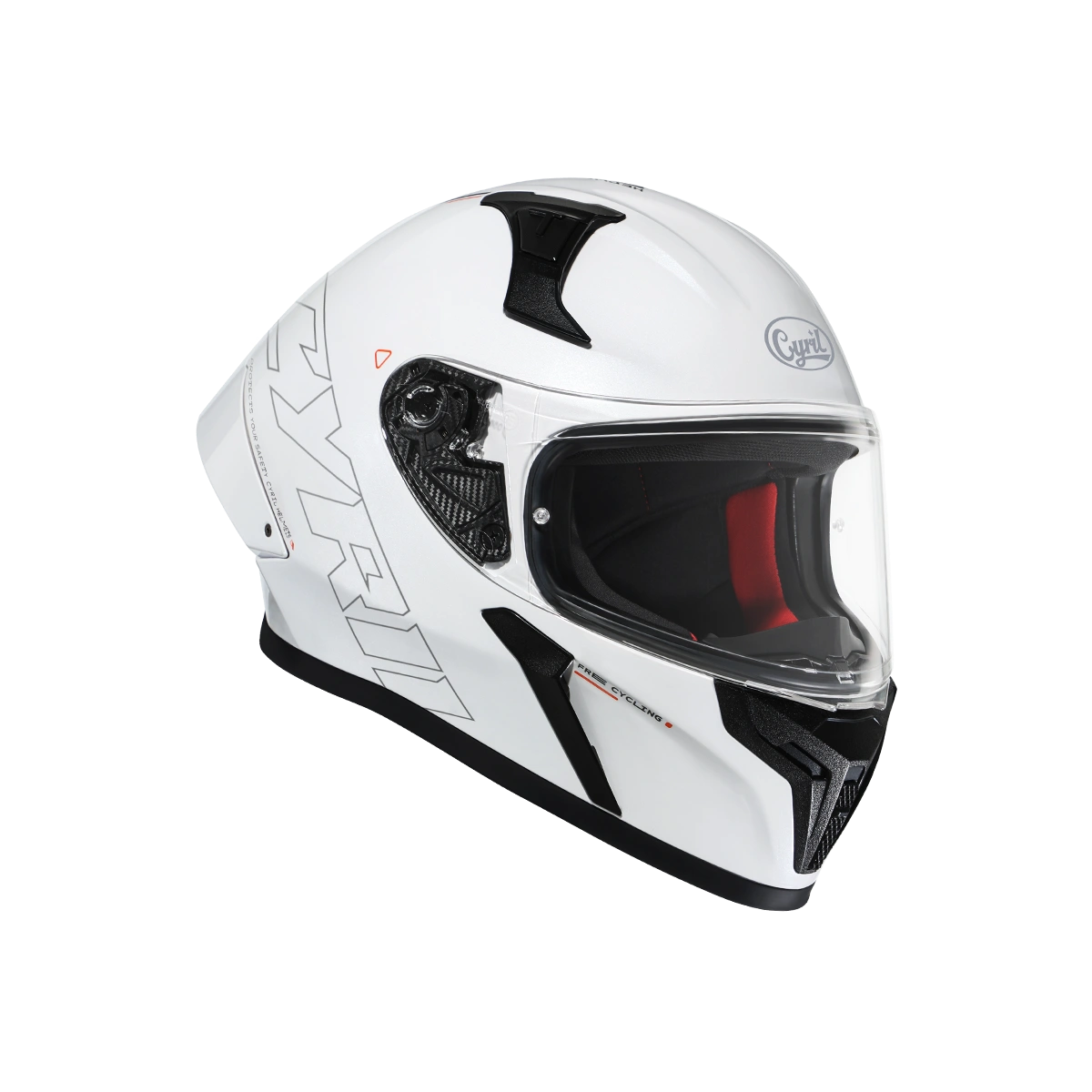
Mad Shark Full Face Helmet
The Mad Shark Full Face Helmet is relevant for daily riders comparing a full-face profile with clear visor view, active ventilation, removable washable liner, ABS shell construction, multi-layer EPS, and stated DOT FMVSS 218 information.
View Mad Shark
A128 Dual Visor Modular Helmet
The A128 Dual Visor Modular Helmet fits riders comparing modular convenience, a clear outer shield, inner sun visor, wide-view comfort, removable washable liner, and stated DOT FMVSS 218 and ECE 22.06 information.
View A128
R1-PRO Full Face Helmet
The R1-PRO Full Face Helmet suits riders comparing a sport-inspired full face profile with magnetic visor release, ventilation, removable washable liner, stated DOT FMVSS 218 and ECE 22.06 information, and a stable full-face shell profile.
View R1-PRODo not try to polish away serious visor scratches with aggressive products. If the shield creates glare, distortion, or unclear vision, treat replacement as part of normal helmet care.
Common Questions About Scratched Helmet Visors
Why does my helmet visor scratch even when I clean it often?
Frequent cleaning can still scratch the visor if you dry-wipe dust, use a dirty cloth, press too hard, or clean bug residue before softening it.
Can I use paper towels on a motorcycle helmet visor?
Paper towels are risky for visor care because they can drag grit and rough fibers across the shield. A clean microfiber cloth used only for the visor is safer.
Are small visor scratches dangerous?
Small marks may be mostly cosmetic, but scratches become a concern when they distort your view, increase glare, or sit in the area you look through while riding.
Should I replace a scratched helmet visor?
Replace it when scratches make sunlight, headlights, rain, or road details harder to see. A clear view is more important than getting extra life from a worn shield.
Final Notes
A scratched visor is usually the result of repeated small habits, not one obvious failure. Clean gently, lift grit before wiping, keep one cloth for visor use, store the helmet where the shield cannot rub, and replace the visor when scratches start changing how the road looks.