
Does Long Hair Make Your Motorcycle Helmet Fit Wrong? Fit Checks Before Riding

Does Long Hair Make Your Motorcycle Helmet Fit Wrong? Fit Checks Before Riding
Long hair can change how a motorcycle helmet sits, especially when it is tied high, tucked unevenly, braided thickly, or worn differently from the day you measured your head. A small hairstyle change can turn a stable fit into pressure, tilt, or movement.
Long hair can affect motorcycle helmet fit when it changes head shape, adds bulk under the liner, creates pressure points, pushes the helmet upward, or changes how the strap and cheek pads sit. Before riding, check whether the helmet stays level, grips evenly, allows clear vision, and feels the same with the hairstyle you actually use on the bike.
Long Hair Can Change Fit More Than Riders Expect
A helmet is fitted to the shape it sits on. If your hair is flat one day, braided the next, tied in a low ponytail on the weekend, and tucked under a liner for commuting, the helmet may not sit the same way each time. The change can be small, but helmet fit is sensitive.
The problem is not long hair itself. The problem is uneven bulk. A high bun can lift the rear of the helmet. A thick braid can create a pressure ridge. Loose hair can bunch near the crown. A ponytail can pull the helmet backward or make the lower edge sit strangely at the neck.
This often shows up after the ride starts. At home the helmet feels fine. Ten minutes later, one side of your scalp pulls, the cheek pads feel uneven, or you keep pushing the helmet down at stoplights. That adjustment is the clue.

Extra Volume
Hair under the liner can make a correct size feel tight or make the helmet sit too high.
Pulling and Tilt
A tight ponytail or braid can pull the helmet backward, forward, or to one side.
Same Setup Matters
Measure, test, and ride with the hairstyle you actually use on the motorcycle.
Hairstyles That Commonly Cause Helmet Fit Problems
The best riding hairstyle is usually low, smooth, and repeatable. It should not create a hard knot under the shell, push the helmet up, or make the strap sit differently from one ride to the next.

| Hair Setup | Fit Problem It Can Create | What to Try |
|---|---|---|
| High bun | Helmet sits high or tilts forward. | Use a lower style that does not sit under the crown of the helmet. |
| Thick ponytail | Rear pressure, neck edge discomfort, or backward pull. | Lower the tie point and check whether the helmet stays level. |
| Large braid | Pressure ridge or uneven contact inside the liner. | Keep the braid low and outside the main crown contact area when possible. |
| Loose hair tucked inside | Random bunching, hot spots, and inconsistent fit. | Smooth hair before putting the helmet on and repeat the same routine. |
| Hair clip or hard accessory | Sharp pressure point and possible shell fit interference. | Avoid hard clips, pins, or bulky accessories inside the helmet. |
Fit Checks Before Riding With Long Hair
Do the check with your real riding hairstyle, not with hair loose if you always ride with it tied. Put the helmet on slowly, settle it level, fasten the strap, then notice whether your hair changed the fit.
One common clue appears at the first red light. You reach back to pull hair out from the neck roll, then push the helmet down because it feels slightly high, then adjust the strap because the buckle caught a few strands. If that sequence happens every ride, the hairstyle is part of the fit system, not an afterthought.

- The helmet should sit level, not lifted at the back or pushed down over the eyes.
- Pressure should feel even, not concentrated under a braid, bun, clip, or tied section.
- The chin strap should sit correctly without hair trapped under the buckle or strap path.
- The cheek pads should feel balanced on both sides.
- The helmet should not rotate freely when you move it gently side to side.
- Your vision should remain clear when you turn your head and look over your shoulder.
A quick way to judge the fit is to ask what you fix first at the first stop. If you immediately push the helmet down, pull hair from the neck roll, adjust one cheek pad, or loosen the strap, the hairstyle is affecting how the helmet works on your head.
Common Long-Hair Helmet Mistakes
The biggest mistake is sizing up only to make room for hair. That can make the helmet more comfortable in the driveway but less stable on the road. Hair can compress, shift, or flatten during a ride; the helmet still needs to fit your head, not just the hairstyle.
Another mistake is changing your hairstyle after buying without retesting fit. If you measured with flat hair and later ride with a thick braid under the shell, the fit test no longer matches real use.
Also be careful with "almost comfortable" workarounds. If the helmet only feels right when the ponytail is placed at one exact angle, or if one hair tie slipping half an inch makes the helmet tilt, the routine is too fragile for everyday riding.
Sizing Around Hair
Do not choose a loose helmet just because one hairstyle needs more space.
Using Hard Clips
Clips, pins, and bulky accessories can create pressure points under the helmet.
Skipping the Retest
If your hair routine changes, repeat the helmet fit check before trusting the old feel.
Buying and Sizing Tips for Riders With Long Hair
When buying online, measure your head with hair as flat and natural as possible, then test the helmet with your actual riding hairstyle while the helmet is still returnable. If the fit only works with one exact hairstyle and fails with everything else, that is useful information before you keep it.
This is where riders often get stuck between comfort and stability. A smaller size feels right with flat hair but tight with a braid. A larger size feels better with hair but moves too much without it. In that case, look for a repeatable low-bulk hairstyle first, then judge the helmet fit again.

- Measure your head without bulky hair accessories.
- Test the helmet with the hairstyle you will actually ride with.
- Avoid choosing a size that becomes loose when your hair is flatter or damp.
- Check glasses, earrings, neck gaiters, and hair ties together if you use them on rides.
- Keep return terms in mind if you are between sizes or hairstyles change the fit.
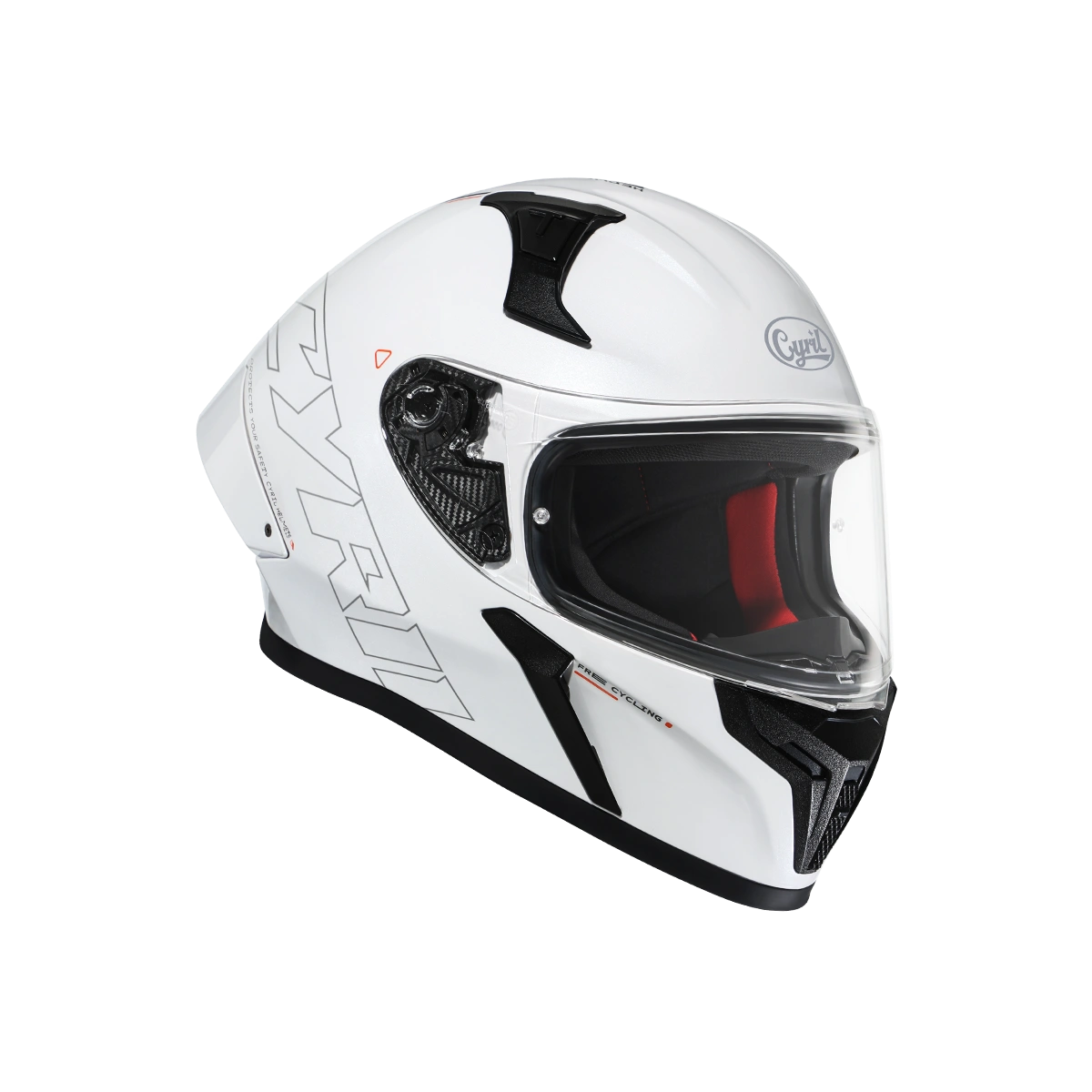
Cyril Helmet Options to Compare for Long-Hair Fit Checks
For riders with long hair, compare helmets by fit stability, cheek support, visor view, liner comfort, ventilation, and how easy the helmet is to put on without disturbing your repeatable riding hairstyle.
Mad Shark Full Face Helmet
The Mad Shark Full Face Helmet is relevant for daily riders checking long-hair fit with a full-face profile, active ventilation, clear visor view, removable washable liner, ABS shell construction, multi-layer EPS, and stated DOT FMVSS 218 information.
View Mad Shark
A128 Dual Visor Modular Helmet
The A128 Dual Visor Modular Helmet fits riders who want easier stop routines while checking modular convenience, clear outer shield use, inner sun visor comfort, wide-view feel, removable washable liner, and stated DOT FMVSS 218 and ECE 22.06 information.
View A128
R1-PRO Full Face Helmet
The R1-PRO Full Face Helmet suits riders comparing a sport-inspired full face profile with ventilation, magnetic visor release, removable washable liner, stated DOT FMVSS 218 and ECE 22.06 information, and a stable full-face shell profile.
View R1-PROLong hair should not be solved by wearing a loose helmet. Build a repeatable hairstyle first, then confirm that the helmet still sits level, stable, and comfortable enough to wear correctly.
Common Questions About Long Hair and Helmet Fit
Can long hair make a motorcycle helmet fit wrong?
Yes. Long hair can add bulk, create pressure points, lift the helmet, or change how the strap and cheek pads sit, especially if the hairstyle changes between rides.
Should I buy a larger helmet for long hair?
Not automatically. A larger helmet may feel easier with bulky hair but become loose or unstable. Try a low-bulk, repeatable hairstyle before changing size.
Can I wear a bun under a motorcycle helmet?
A high or bulky bun can lift the helmet or create pressure. A lower, flatter style is usually easier to fit without changing helmet position.
Why does my helmet fit differently after I tie my hair?
Tied hair can change the shape and bulk under the helmet. It may pull the helmet backward, create a pressure ridge, or change the way the lower edge sits at your neck.
Should I test helmet fit with my riding hairstyle?
Yes. The most useful fit test is done with the same hair, glasses, neckwear, and accessories you normally use while riding.
Final Notes
Long hair does not have to make helmet fit difficult, but it does need a consistent routine. Keep hair low, smooth, and repeatable; avoid hard accessories; and recheck the helmet if the hairstyle changes how it sits, moves, or feels on the road.