
Bluetooth Headset Stuck Choosing? What Motorcycle Riders Should Check Before Buying a Helmet Intercom

Bluetooth Headset Stuck Choosing? What Motorcycle Riders Should Check Before Buying a Helmet Intercom
You have watched the reviews, read the spec sheets, and still cannot decide between a Bluetooth unit and a Mesh system. The prices range from a hundred to over three hundred dollars, and every brand claims to be the best. This guide breaks down what actually matters after the box is opened and the headset is mounted on your helmet.
A Bluetooth intercom works best for solo riders and two-up pairs who want music, GPS, and phone calls. A Mesh intercom is the better choice for groups of three or more because it automatically reconnects dropped riders and handles more simultaneous connections. But the real decision often hinges on speaker fit inside your specific helmet, microphone type for your helmet style, and whether your riding actually needs the extra range and group size. This guide walks through each of those checks so you buy the right unit the first time.
The Moment You Realize You Need One
It usually happens at a red light. Your phone buzzes in your jacket, and you cannot answer it without pulling over, removing your gloves, and hoping the caller is still there. Or the lead rider takes an unplanned exit and you have no way to ask why. Or the GPS voice is buried under wind noise and you miss the turn for the third time.
These moments are not about wanting a gadget. They are about realizing that riding without communication creates real friction — and you are about to spend anywhere from $100 to $370 to solve it. Walking into the intercom market feels like walking into a phone store in 2010: two fundamentally different technologies, every sales page using the same confident language, and no clear way to tell which one matches your actual rides.
A quick way to tell which camp you are in: count how many people you regularly ride with on a Saturday. If the answer is you plus one — a passenger, or one friend — Bluetooth is almost certainly enough. If the answer is three or more and the group spreads out through corners and traffic lights, Mesh will save you more frustration than the extra hundred dollars costs.
Rider Persona: Jake — Solo Commuter Who Thought He Did Not Need One. Jake rides 25 minutes each way, five days a week, on a mix of city streets and a short highway stretch. He bought a headset after missing three calls from his kid's school in one week. He does not ride in groups, does not need Mesh, and a mid-range Bluetooth unit with good speaker clarity was all he needed. For Jake, the purchase was not about intercom — it was about not pulling over to check his phone.
Rider Persona: Sarah — Weekend Group Rider Who Bought Wrong the First Time. Sarah commutes 30 minutes to work but lives for Saturday canyon rides with four to six friends. She bought a Bluetooth unit first because it was cheaper. On her third group ride, she got separated at a traffic light, lost connection to the group, and spent 15 minutes catching up in silence. She returned the Bluetooth unit and bought a Mesh system the next week. The price difference stung, but not as much as riding the rest of the canyon alone.
Bluetooth vs Mesh: The Two Camps
The core difference between Bluetooth and Mesh is not about sound quality or brand. It is about what happens when a rider drops out of range. Bluetooth units connect in a chain — A to B, B to C, C to D. If Rider C takes a wrong turn, the chain snaps. Mesh makes every rider a relay so the network routes around a dropped rider automatically.
| Feature | Bluetooth Intercom | Mesh Intercom |
|---|---|---|
| How it connects | Direct device-to-device pairing in a chain | Self-healing network — every rider relays to every other rider |
| Group size | 2–4 riders reliably; up to 8 on premium units | Virtually unlimited; most support 24+ in a private group |
| Real-world range | 500 m – 1.2 km between two riders, open terrain | 1.2 km – 2 km per hop; extends as riders relay |
| If a rider drops out | Chain breaks; may need to stop and re-pair manually | Network self-heals; auto-reconnects when back in range |
| Cross-brand | Universal via Bluetooth HFP — any brand | Sena and Cardo now interoperate on current firmware |
| Audio multitasking | Usually one stream; music pauses for intercom | Music, GPS, and intercom can run simultaneously |
| Price range | $100 – $250 | $200 – $370 |
If you ride with one other person, this table collapses to a simple truth: Bluetooth and Mesh will both work, and the cheaper Bluetooth unit is the smarter buy. The chain structure only becomes a liability when there are enough riders that someone is always out of visual range.
If you catch yourself thinking "but what if someday I join a group ride": buy for the riding you do now, not the riding you might do next year. Bluetooth units hold their resale value reasonably well, and upgrading later is cheaper than buying Mesh features you never use. The riders who regret their purchase most are the ones who paid for group features and ride alone 90 percent of the time.

Speaker Fit: The Part Nobody Checks Before Buying
The best intercom in the world is useless if the speakers press against your ears so hard that you feel them after 20 minutes. Every helmet has speaker pockets — recessed cutouts in the EPS liner behind the cheek pads — where intercom speakers sit. The depth varies widely between models. Shallow pockets cause speaker pressure. Deep pockets make the speakers sound thin and distant. Some helmets have no pockets at all.
Most aftermarket speakers are 7–10 mm thick; premium 40 mm or 45 mm drivers can reach 11–12 mm. Before buying, check two things:
- Speaker pocket depth. Press your thumb into the pocket area behind the cheek pad. Do you feel a recess, or is the EPS flat against the fabric?
- Speaker pocket diameter. A 40 mm speaker will not fit into a 35 mm pocket. Measure or look up your helmet's pocket dimensions.
If your helmet has no pockets or shallow ones, you have options: thinner Velcro spacers, positioning speakers in the cheek pad fabric instead of the EPS pocket, or buying slim aftermarket speakers (5–6 mm thick). The point is to check before you open the intercom box — not after the bracket is already stuck to the shell.
If you wear glasses: this is even more important. Speakers that protrude even slightly will compete for the same space behind your ear as your glasses temples. The result is pressure on both the ear and the glasses hinge after about 30 minutes of riding. Look for helmets with deeper speaker pockets or consider slim-speaker intercom models.

Battery Life in the Real World
Manufacturers quote battery life in ideal conditions. The numbers on the box — 13 hours, 15 hours, 20 hours — are best-case figures. In the real world, with intercom active, volume turned up to compete with highway wind noise, and the unit bouncing between music and GPS and calls, expect about 60 to 70 percent of the quoted figure.
A unit rated for 15 hours will realistically last about 9 to 11 hours of mixed-use group riding. That is enough for a full day ride if you start at 8 a.m. and finish by 5 p.m. with breaks. But if you ride long touring days — eight hours in the saddle with the intercom open the whole time — you will either need a unit rated for 20 hours or a plan to charge during lunch.
| Riding Day Type | Hours of Active Use | Recommended Rated Battery |
|---|---|---|
| Daily commute (1–2 hrs/day) | Charge every few days | 8–10 hrs rated is fine |
| Weekend day ride (4–6 hrs) | Single full charge needed | 12–15 hrs rated |
| Long touring day (6–10 hrs) | May need mid-day top-up | 15–20 hrs rated, or fast-charge capable |
| Multi-day tour | Charge nightly | 15+ hrs rated with fast charging |
Microphone Type Matters More Than You Think
Intercom kits come with one of two microphone types: a boom microphone (a rigid or semi-rigid arm) or a wired microphone (a small capsule on a thin wire). Choosing the wrong one for your helmet type will make every conversation frustrating for the person on the other end.
Full-face helmets: Use the wired microphone. The chin bar is close to your mouth and blocks wind. A boom mic inside a full-face helmet is unnecessary and can bump against the chin bar. Use the foam windscreen — it makes a noticeable difference in cutting breath noise and wind entering through the chin vent.
Modular (flip-up) helmets: The moving chin bar complicates everything. A wired mic mounted inside the chin bar works in most cases, but test it with the bar both open and closed — some modular helmets have a gap that channels wind directly onto the mic. If you hear wind rumble on a test call, reposition the mic toward the cheek side or switch to a short boom mic on the left shell edge.
Open-face and half helmets: You need a boom microphone. Mount it on the left shell edge with the mic capsule directly in front of your lips, about two finger-widths away. No chin bar means no still-air pocket, so the mic needs to be as close to your mouth as comfortable.

Audio Quality at Highway Speed
Every intercom sounds clear in a quiet room. The test that matters is whether you can understand spoken directions and hold a conversation at 70 mph with wind rushing over the helmet shell.
Two factors determine highway-speed audio quality more than the speaker brand: helmet noise level and speaker position. A quiet helmet with well-positioned speakers will make a budget intercom sound acceptable. A loud helmet with speakers sitting 5 mm away from your ears will make a premium intercom sound thin and distant. If your helmet is already loud — and you know this because you have noticed wind roar above 55 mph — address that first. A Bluetooth headset cannot fix a noisy helmet. Check your visor seal, neck roll, and windshield height before blaming the intercom.
Speaker position is the other half of the equation. Even 3 mm of extra distance between the speaker and your ear makes a noticeable difference in perceived volume and bass. If the speakers feel quiet at speed, add a thin foam spacer behind each speaker to push it closer to your ear — but only if doing so does not cause pressure. The goal is proximity without contact.
How to Apply This When Choosing a Headset
If you are shopping for a headset and trying to apply what you just read, here is the practical version. Instead of picking a technology first, pick the riding profile that matches you — then the technology follows the need.
Bluetooth — $100–$170
If you ride alone 90 percent of the time and only occasionally pair with one other rider, a Bluetooth unit is the smart money. You get music, GPS prompts, phone calls, and the ability to pair with one passenger or friend. The extra features of Mesh — group management, auto-reconnect, multi-rider relay — are features you will pay for and never use.
Mesh — $180–$370
If your weekend rides involve three or more riders, winding roads where visual contact drops, or mixed pace groups, Mesh is the standard. The self-healing network alone is worth the price difference. Budget Mesh options now exist around $180–$220, so the entry point has dropped significantly from a few years ago.
Battery + Audio First
Battery life and fast charging become the top priorities. A premium Mesh unit rated for 18–20 hours with fast-charge capability means you can top up during a 20-minute gas stop and get two more hours of intercom. Spring for the larger-driver speaker option if the brand offers it — road fatigue is real, and straining to hear conversation through thin speakers adds to it.

Bluetooth Headsets and Helmets for a Complete Setup
If you are buying an intercom and a helmet together — or upgrading one to match the other — the products below cover both sides of the equation. Start with the headset, then choose the helmet that fits your riding type and installation needs.

Best for Solo Riders and Commuters
The Ohmiex C1 Motorcycle Bluetooth Headset runs Bluetooth V5.3 with IP67 waterproofing — built for daily riders who want music, GPS, and hands-free calls without the Mesh premium. The compact low-profile body sits cleanly on the helmet shell, and glove-friendly controls mean you do not need to pull over to adjust volume. If the Bluetooth-vs-Mesh decision in this guide pointed you toward Bluetooth, this is the headset built for that choice. 1-year warranty.
View Ohmiex C1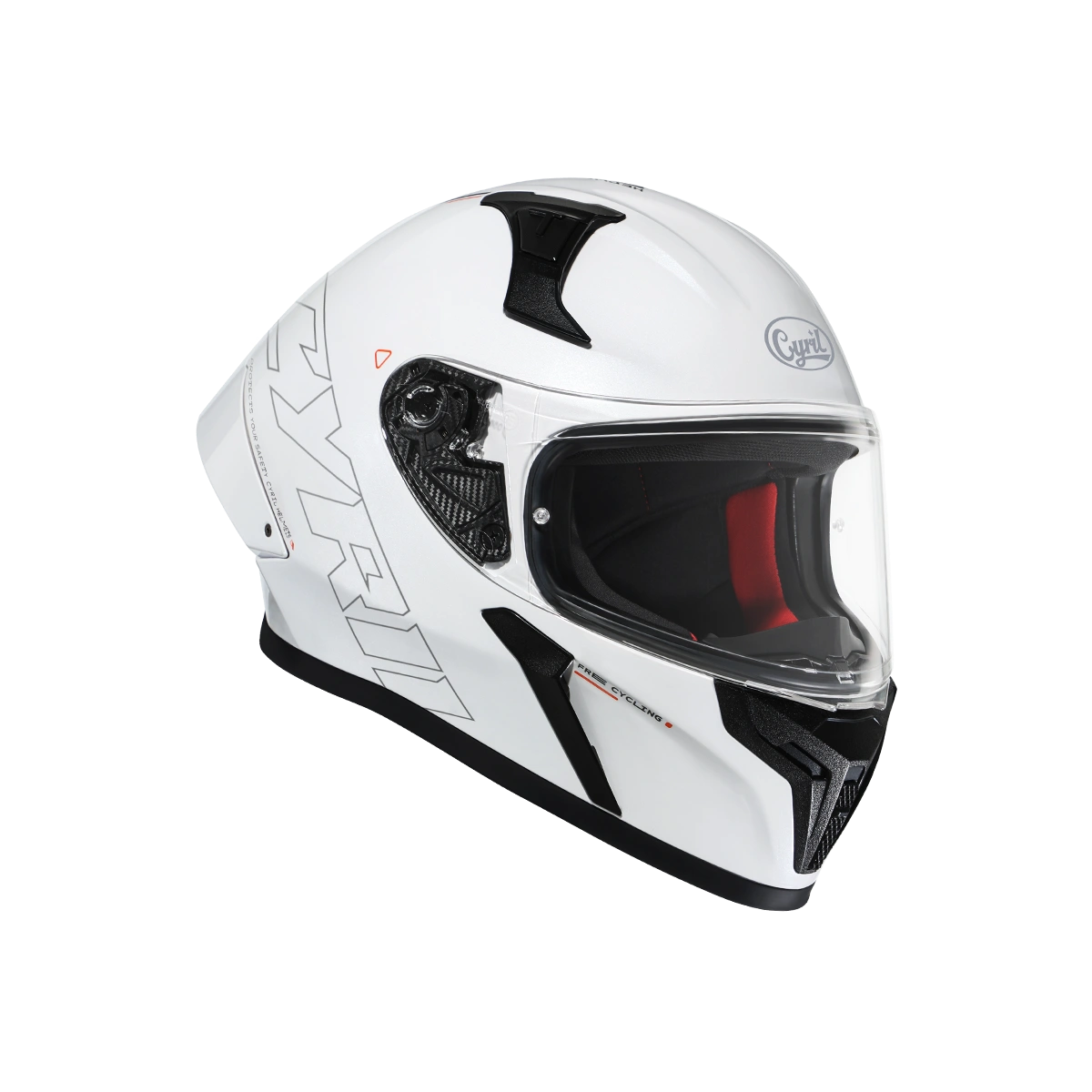
Best for Daily Commuters
The Mad Shark Full Face Helmet pairs well with the Ohmiex C1 for a complete commuter audio setup. The full-face shell keeps the wired microphone close to your mouth in still air, and the removable liner provides clean access to the speaker pockets. DOT-certified with an ABS shell, multi-layer EPS, and active ventilation — a practical helmet-and-headset combination for riders who want music, GPS, and calls without pulling over.
View Mad Shark
Best for Mixed Riding and Group Rides
The R1-PRO Full Face Helmet suits riders who want a more refined intercom setup. The stable shell profile holds its shape at highway speed — important when you need the microphone to stay in position and the speakers to maintain consistent ear distance. DOT FMVSS 218 and ECE 22.06 certified, with a magnetic visor release and active ventilation for comfort on long group rides.
View R1-PROCommon Questions About Motorcycle Helmet Bluetooth Headsets
Can I install a Bluetooth headset in any motorcycle helmet?
Most helmets can accept a Bluetooth headset, but the experience varies widely. Full-face and modular helmets with removable liners and dedicated speaker pockets are the easiest to work with. Open-face and half helmets can also work, but you will need a boom microphone because there is no chin bar to block wind. The main compatibility issue is speaker pocket depth — shallow pockets cause speaker pressure on the ears.
What is the difference between Bluetooth and Mesh intercom?
Bluetooth connects devices directly in a chain — Rider A to B, B to C. If one rider drops out, the chain breaks and remaining riders may lose connection to each other. Mesh creates a self-healing network where every rider relays to every other rider. If one rider drops out, the network routes around them, and they reconnect automatically when back in range. Bluetooth works well for one or two riders. Mesh is the better choice for groups of three or more.
How many riders can connect on a Mesh vs Bluetooth system?
Bluetooth systems typically support two to four riders reliably, with some premium units claiming up to eight — but the chain structure means each additional rider adds complexity and potential dropout points. Mesh systems support virtually unlimited riders in theory, with most consumer units capping private groups at 24 riders. In practice, groups larger than about eight to ten riders become hard to manage conversationally regardless of the technology.
Will a Bluetooth headset affect my helmet's safety?
A correctly installed Bluetooth headset does not compromise helmet safety. The key rule: never cut, drill, or modify the EPS liner to fit speakers. If the speaker pockets are too shallow, use slim speakers or mount the speakers in the cheek pad fabric, not by digging into the EPS. The external clamp or adhesive mount sits on the outer shell and does not affect the helmet's impact absorption. The internal speakers sit between the EPS and the comfort liner — they do not replace or remove any protective layer.
How long does a helmet Bluetooth battery actually last?
Expect about 60 to 70 percent of the manufacturer's rated battery life in real-world mixed use. A unit rated for 15 hours will typically last 9 to 11 hours with intercom active, volume set high enough to overcome wind noise, and the unit switching between music, GPS prompts, and conversation. Cold weather also reduces battery life — on a winter ride near freezing, expect another 10 to 15 percent reduction. Most riders on a full-day group ride will want a unit rated for at least 15 hours.
Can I hear music clearly at highway speed?
It depends more on your helmet's noise level and speaker position than on the intercom brand. A quiet helmet with speakers positioned close to your ears — within about 5 mm — will deliver clear music at 70 mph. A loud helmet with speakers sitting 8+ mm away will sound thin and distant regardless of the speaker quality. If highway-speed audio is a priority, address helmet wind noise first, then check speaker fit. Adding thin foam spacers behind the speakers can close the distance to your ears without causing pressure.
Do I need a special helmet for a Bluetooth headset?
No. Aftermarket Bluetooth headsets are designed to fit almost any motorcycle helmet. However, helmets with factory-integrated intercom systems — where the speakers, battery, and controls are built into the helmet during manufacturing — offer a cleaner installation with no external bracket. The trade-off is that integrated systems are usually brand-locked: you cannot swap the intercom for a different brand later. Aftermarket units give you flexibility but require more installation effort and leave a visible external module on the side of the helmet.
Can I install the headset myself or do I need a professional?
Most riders can install a Bluetooth headset themselves in 20 to 40 minutes. The process involves removing the cheek pads and comfort liner, positioning the speakers in the pockets, routing the wires behind the liner, attaching the external bracket, and replacing the pads. No special tools are needed. The two places where people make mistakes are speaker placement — test the position before sticking anything down — and wire routing that pulls when the cheek pads are reinserted. If you are not comfortable removing and reinstalling your helmet's liner, a shop can do the install in about 30 minutes.
Final Notes
A helmet intercom is one of those purchases where spending more does not always get you more — unless you ride in groups. For solo riders and two-up pairs, a solid Bluetooth unit under $170 covers every real need. For group riders, Mesh is the standard, and the price gap has narrowed enough that stretching for Mesh on a mid-range budget unit is now realistic.
The check that costs nothing: before you buy, press your thumb into your helmet's speaker pockets. If they are deep and wide, almost any headset will fit. If they are shallow or absent, factor slim speakers into your purchase decision. The best intercom on the market will feel like a waste of money if it hurts your ears 30 minutes into every ride.