
How Long Should a New Motorcycle Helmet Feel Tight?

How Long Should a New Motorcycle Helmet Feel Tight?
A new helmet should feel snug, but many riders cannot tell where the line sits between normal new-helmet tightness and a helmet that is simply the wrong size. This guide explains how long the break-in period lasts, what signs indicate normal compression, and what signs mean the helmet will never fit.
A new motorcycle helmet should feel snug for the first 10 to 20 hours of wear. During this period, the liner foam compresses slightly to match your head shape. Normal break-in does not include pain, numbness, headaches, or pressure that worsens over time. If the helmet hurts within the first 10 minutes or the discomfort does not improve after 15 to 20 hours of use, the helmet is too tight or the wrong shape for your head.
The break-in guidance here was checked against NHTSA motorcycle helmet fit guidance, general rider training resources from MSF, and official Cyril product information. The final edit separates normal comfort-liner break-in from shell-shape problems, avoids claims about protective EPS compression, and keeps return-window advice practical for online buyers.
What Normal New-Helmet Tightness Feels Like
A new helmet should feel like a firm handshake around your head. It holds you securely without squeezing. The pressure is distributed evenly around the circumference — forehead, temples, sides, and back — rather than concentrated on one point.
Normal tightness creates a mild impression on your cheeks and forehead that fades within 10 to 20 minutes of removing the helmet. You should be able to speak clearly, open your mouth for a yawn, and move your jaw side to side without significant restriction. The helmet should not shift when you shake your head, but it should not create a headache either.

The NHTSA guidance on helmet fit describes proper fit as "snug all around, with no gaps." Snug means contact. It does not mean painful.
Rider Persona: Jake — First Helmet, Right Tightness. Jake puts on his new helmet and feels even pressure around his entire head. His cheeks touch the pads, his forehead feels contact, and the back of his head sits firmly against the liner. After a 20-minute ride, he notices mild cheek marks that fade by the time he reaches his destination. This is normal break-in tightness.
What Happens During Break-In
Helmet break-in mainly happens in the comfort liner and cheek pads. The soft padding settles under repeated wear and starts to match your face and head contact points. This is why a helmet that feels slightly snug on day one can feel more natural after a few weeks of regular use.
The change should be modest. It happens primarily in the cheek pads and brow band, where the most consistent pressure occurs. Crown padding usually changes less because the top of your head does not apply the same sustained side pressure as your cheeks.
Break-in does not change the shell shape or make a wrong internal profile fit your head. If the shell is too round, too narrow, or too shallow for your crown, more wear will not fix that. Break-in affects comfort padding, not the hard protective structure underneath.
The Break-In Timeline
| Stage | Hours of Wear | What to Expect |
|---|---|---|
| Initial fit | 0 to 2 hours | Snuggest fit you will ever feel; mild cheek and forehead contact |
| Early break-in | 2 to 10 hours | Cheek pads begin compressing; snugness decreases slightly |
| Mid break-in | 10 to 20 hours | Liner conforms to head shape; fit should feel natural |
| Full break-in | 20+ hours | Final fit achieved; liner will not compress further |

Wearing the helmet around the house for 30 to 60 minutes daily accelerates break-in without the added stress of riding. This is especially useful if the helmet feels borderline tight and you are deciding whether to keep it.
Rider Persona: Sarah — Accelerated Break-In. Sarah's new helmet felt slightly tight at the temples. Instead of returning it immediately, she wore it for 45 minutes each evening while watching television. After two weeks, the temple pressure disappeared and the helmet felt custom-fitted. She saved herself a return and a sizing guess.
Signs the Helmet Is Too Tight
These symptoms indicate the helmet is too small or the wrong shape. Break-in will not fix them.
- Pain, numbness, or tingling that starts within the first 10 minutes of every ride.
- Headaches that persist after removing the helmet.
- Red marks that last for over an hour after removal.
- Difficulty getting the helmet on or off.
- Pressure concentrated on one point — forehead, crown, or temples — rather than distributed evenly.
- Jaw restriction that makes speaking or eating uncomfortable.

If three or more apply, the helmet is unlikely to break in favorably. Waiting longer will not change the shell shape or transform painful pressure into comfortable contact.
Rider Persona: Mike — Waited Too Long. Mike assumed his helmet would break in. He endured forehead pain for three weeks, telling himself it was normal. After 25 hours of wear, the pain had not improved. He finally returned the helmet — past the return window of some retailers. The lesson: painful pressure is not break-in. It is a size mismatch.
How to Accelerate Break-In Safely
- Wear it at home. 30 to 60 minutes daily while doing normal activities. This compresses the liner without the vibration and sweat of riding.
- Move your jaw. Chewing gum or talking while wearing the helmet helps compress the cheek pads evenly.
- Check strap tension. An overly tight strap can make the helmet feel tighter than it is. Two fingers flat between strap and chin.
- Verify helmet position. A helmet that sits too low feels tighter than it should. Raise it so the front edge sits one finger-width above your eyebrows.
Do not attempt to speed up break-in by compressing the liner manually, wetting it, or applying heat. These methods can damage the comfort padding, alter fit, and create a helmet that no longer behaves as the manufacturer intended.
When to Return Instead of Waiting
Return the helmet if any of the following are true:
- The helmet causes pain within the first 10 minutes of wear.
- You have worn it for 15 to 20 hours and the fit has not improved.
- The pressure is concentrated on one specific point.
- You feel numbness or tingling in any part of your head or face.
- You dread putting the helmet on.

A helmet that does not fit is a helmet you will eventually stop wearing. A helmet sitting on a shelf provides zero protection. Return it within the window, use what you learned about your head shape, and choose a model that fits correctly from the start.
Use the break-in period as a test, not a gamble. A helmet that feels snug but comfortable on day one will likely break in perfectly. A helmet that hurts on day one will likely hurt on day 100. Trust your body's signals. Snug is good. Pain is not.
Helmets That Break In Comfortably
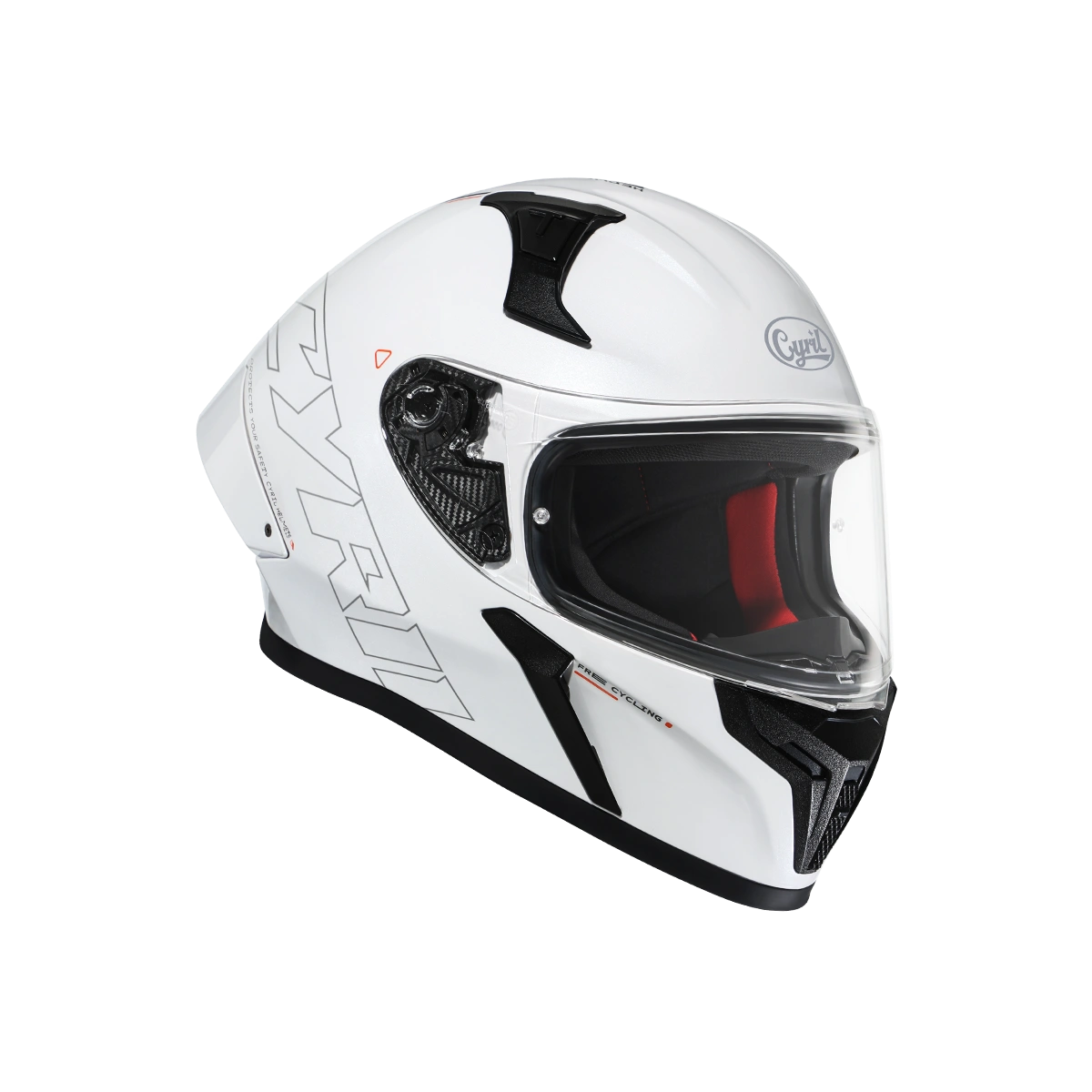
Best for Daily Commuters
The Mad Shark is a full-face helmet with DOT / FMVSS 218 information, multi-layer EPS, and a removable washable liner. For break-in questions, judge the comfort padding during short indoor wear sessions; do not expect the protective EPS or shell shape to change.
View Mad Shark
Best for Sport Riders
The R1-PRO is for riders who want a sport-inspired full-face option with DOT / FMVSS 218 and ECE 22.06 information. Wear it indoors long enough to catch forehead, temple, or cheek hot spots before the return window becomes the real problem.
View R1-PRO
Best for Touring and Convenience
The break-in decision is still made with the helmet closed, even on the A128. Its dual-visor modular layout, DOT / FMVSS 218 and ECE 22.06 information, flip-up chin bar, and removable washable liner help with convenience, but the fit still needs to feel right when closed and fastened.
View A128Common Questions About Helmet Break-In
How long does it take to break in a new motorcycle helmet?
Most helmets break in within 10 to 20 hours of wear. Cheek pads compress first, usually within the first 5 to 10 hours. The brow band and crown padding take longer. By 20 hours, the liner has compressed as much as it will. If the helmet still feels uncomfortably tight after 20 hours, it is too small.
Should a new helmet feel tight?
Yes, snug is normal. Tight to the point of pain is not. A new helmet should feel like a firm, even handshake around your head. You should feel contact all around but not pressure that distracts you or causes headaches. NHTSA guidance describes proper fit as snug with no gaps.
Can I speed up helmet break-in?
Yes, safely. Wear the helmet around the house for 30 to 60 minutes daily. Move your jaw, talk, and let the liner compress naturally. Do not apply heat, moisture, or manual pressure to the foam. These methods damage the liner and compromise protection.
Will cheek pads loosen over time?
Yes. Cheek pads compress 5 to 15 percent over the first 10 to 20 hours. This is enough to relieve mild snugness but not enough to transform a painful fit into a comfortable one. If the cheek pads hurt from day one, they will not compress enough to solve the problem.
How do I know if my helmet is too small?
Pain within the first 10 minutes, headaches that persist after removal, red marks lasting over an hour, numbness, difficulty getting the helmet on or off, and pressure concentrated on one point all indicate the helmet is too small. Break-in will not fix these symptoms.
Should I size up if my new helmet feels tight?
Not if the tightness is mild and evenly distributed. Give it 10 to 20 hours of break-in first. If the helmet is painful or the pressure is concentrated on one point, size up or try a different model. Do not assume all tightness will resolve with time.
Does break-in change the shell shape?
No. Break-in only affects the liner foam. The hard protective shell does not change shape. If the shell is too round, too shallow, or otherwise mismatched to your head, break-in will not fix it. The liner can only compress so much.
What if my helmet feels tight only in one spot?
Concentrated pressure on one point — forehead, crown, or temples — indicates a shape mismatch, not normal break-in tightness. Even pressure around the entire head is normal. One-spot pressure means the helmet is the wrong shape for your head.
Final Notes
Break-in is real, but it has limits. A helmet that feels snug on day one should feel comfortable by day twenty. A helmet that hurts on day one will hurt on day one hundred. Do not confuse persistence with patience. Know the difference between normal new-helmet tightness and a helmet that will never fit, and act accordingly.