
Should Motorcycle Helmet Cheek Pads Feel Painful?

Should Motorcycle Helmet Cheek Pads Feel Painful?
Cheek pads are the most noticeable contact point when you first put on a helmet. They should feel snug, even tight, but they should not hurt. Knowing where the line sits between normal new-helmet pressure and a fit problem can save you from weeks of discomfort or a costly return mistake.
Cheek pads should feel snug enough to prevent the helmet from rotating on your head, but not so tight that they cause pain, numbness, or difficulty moving your jaw. A new helmet's cheek pads will compress slightly with use, but they should never feel painful from the first wear. If the pads hurt, pinch, or leave deep marks, the helmet is likely too small or the wrong internal shape for your face.
This guide was reviewed against NHTSA motorcycle helmet fit guidance, rider training guidance from MSF, and official Cyril product information. The final copy was checked to separate normal cheek-pad snugness from pain, avoid unsupported medical claims, and keep product recommendations limited to verified helmet features.
The Short Answer: Snug, Not Painful
Cheek pads have a specific job: they help the helmet stay stable against your head so it does not rotate easily when fastened. To do that, they must press against your cheeks. But press is not the same as pinch. NHTSA helmet fit guidance uses snug, stable fit as the goal; for cheek pads, that means firm contact without pain, numbness, or forced jaw position.
A useful test: with the helmet on and the strap fastened, try to open your mouth into a yawn. If the cheek pads compress enough to make your jaw feel restricted, they are too tight. If the helmet shifts when you move your jaw, the pads may be too loose. The sweet spot is snug contact that stabilizes the helmet without limiting normal jaw movement.

Rider Persona: Jake — New Rider Confusing Tight With Safe. Jake just finished his MSF course and bought his first helmet. He read that helmets should be tight, so when the cheek pads squeezed his face he assumed that meant a good fit. After two weeks of commuting, the constant pressure made eating lunch uncomfortable and talking at fuel stops difficult. He learned that snug and painful are not the same thing.
How Cheek Pads Should Feel When New
A new helmet's cheek pads are the firmest they will ever be. The foam has not compressed, the fabric is not worn, and the pads retain their full manufactured thickness. This means the first fit is the tightest fit. If the cheek pads are painful on day one, they will not become comfortable later. Break-in happens, but it is modest — usually five to fifteen percent compression over the first ten to twenty hours of wear.
What you should feel:
- Even pressure on both cheeks, not sharper pressure on one side.
- Your cheeks touch the pads without being pushed inward.
- You can speak clearly without the pads muffling your voice or restricting your jaw.
- The pads feel snug when you first put the helmet on but do not become more uncomfortable as minutes pass.
What you should not feel:
- A burning or pinching sensation.
- Numbness in your cheeks, lips, or jaw after ten to fifteen minutes.
- Difficulty opening your mouth enough to take a drink or eat a snack.
- Tooth pressure, especially on the molars, from your cheeks being pushed inward.
Normal Snugness vs. Excessive Pressure
The difference between snug and painful is measurable. A snug cheek pad leaves a mild impression on your cheek that fades within ten to twenty minutes of removing the helmet. A painful cheek pad leaves deep red marks that persist for an hour or more, or causes numbness that takes time to resolve.

| Normal Snugness | Excessive Pressure |
|---|---|
| Mild cheek contact that stabilizes the helmet | Sharp or burning pressure that distracts you while riding |
| Red marks fade within 20 minutes of removal | Red marks persist for an hour or more |
| Jaw movement is slightly restricted but functional | Jaw movement is severely limited; talking is difficult |
| Improves slightly after 10–20 hours of break-in | Does not improve with break-in; may worsen |
| Bilateral — same pressure on both cheeks | Unilateral — one cheek hurts more than the other |
A quick way to judge: put the helmet on, fasten the strap, and set a timer for ten minutes. Read something, watch a video, or sit at your desk. If you find yourself thinking about your cheeks before the timer goes off, the pads are too tight. A properly fitting cheek pad disappears from your awareness within the first few minutes.
Common Causes of Cheek Pad Pain
Cheek pad pain is usually caused by one of four things: the pads are too thick, the helmet is too small, your face shape does not match the helmet's internal profile, or a facial feature like dental work or a beard is being compressed.
Pads Too Thick
Some helmets ship with thick cheek pads for a snug initial fit. Riders with narrower faces feel the compression more acutely. If thinner replacement pads are available, swapping them can solve the problem without changing helmet size.
Helmet Too Small
If the helmet is one size too small, the cheek pads are not the only problem — the entire shell is pressing inward. Signs include forehead pressure, temple tightness, and difficulty getting the helmet on or off.
Face Shape Mismatch
Helmet interiors are shaped for average face widths. Riders with wider faces or prominent cheekbones may feel excess pressure even in the correct size. A helmet that is too narrow for your face will concentrate force on the cheekbones.
Dental work and braces can also amplify cheek pad discomfort. Brackets and wires create hard points on the inside of your cheeks that press back against the pad. Riders with recent dental work, braces, or retainers should factor this in when choosing a helmet and may need a slightly larger size or thinner pads.
Rider Persona: Sarah — Dental Work and Cheek Pad Pressure. Sarah got braces six months after buying her helmet. The cheek pads, which had felt snug but fine before, now pressed her cheeks against the brackets, creating sore spots after every ride. She tried thinner cheek pads, which helped marginally, but eventually needed a helmet half a size larger to accommodate the extra width the braces added inside her mouth.
Quick Fixes to Try
Before you return the helmet, try these fixes in order. Each addresses a specific cause and takes minimal time.

- Wear it around the house. Ten to twenty minutes daily for a week accelerates break-in without the stress of riding. If the pads still hurt after that, they are too thick or the helmet is too small.
- Check pad thickness options. Contact the manufacturer or retailer and ask if thinner cheek pads are available for your helmet model. A five-millimeter reduction in pad thickness can transform the fit.
- Verify helmet position. A helmet that sits too low can push the cheek pads upward against your cheekbones instead of against the soft part of your cheeks. Adjust so the front edge sits one finger-width above your eyebrows.
- Loosen the strap slightly. An overly tight chin strap pulls the helmet downward, increasing cheek pad pressure. Two fingers should fit flat between the strap and your chin.
Rider Persona: Mike — Pad Swap Solved It. Mike ordered a medium helmet that felt perfect everywhere except the cheek pads. They were not painful, but they were tight enough to make him dread putting the helmet on. He contacted the manufacturer and learned that thin cheek pads were available as an accessory. The swap cost less than a return, took five minutes to install, and the helmet now fits comfortably.
When Cheek Pad Pain Means Wrong Size or Shape
Some cheek pad problems are not fixable. These signs indicate the helmet itself is the wrong match:

- The pain starts within the first five minutes and worsens from there.
- You have worn the helmet for more than fifteen hours and the cheek pads have not compressed enough to relieve the pressure.
- The helmet is difficult to put on or remove because your face does not fit through the opening.
- One cheek hurts significantly more than the other, indicating an asymmetrical fit.
- The cheek pads press against dental work or braces in a way that thinner pads cannot resolve.
- You feel pressure at the forehead, temples, and cheeks simultaneously, indicating the entire shell is too small.
If four or more of these apply, the helmet is unlikely to become comfortable. A helmet that makes you dread wearing it is a helmet you will eventually stop using. Return it within the window and use what you learned to choose a better fit.
Use your cheek pad experience as a filter. If your last helmet had cheek pads that were too thick, look for models with multiple pad thickness options. If your face is wider than average, ask support about internal width before ordering. If you have braces or dental work, factor in the extra internal space you need. The right cheek pad stabilizes your helmet without making you think about your face.
Helmets With Adjustable Cheek Pad Options
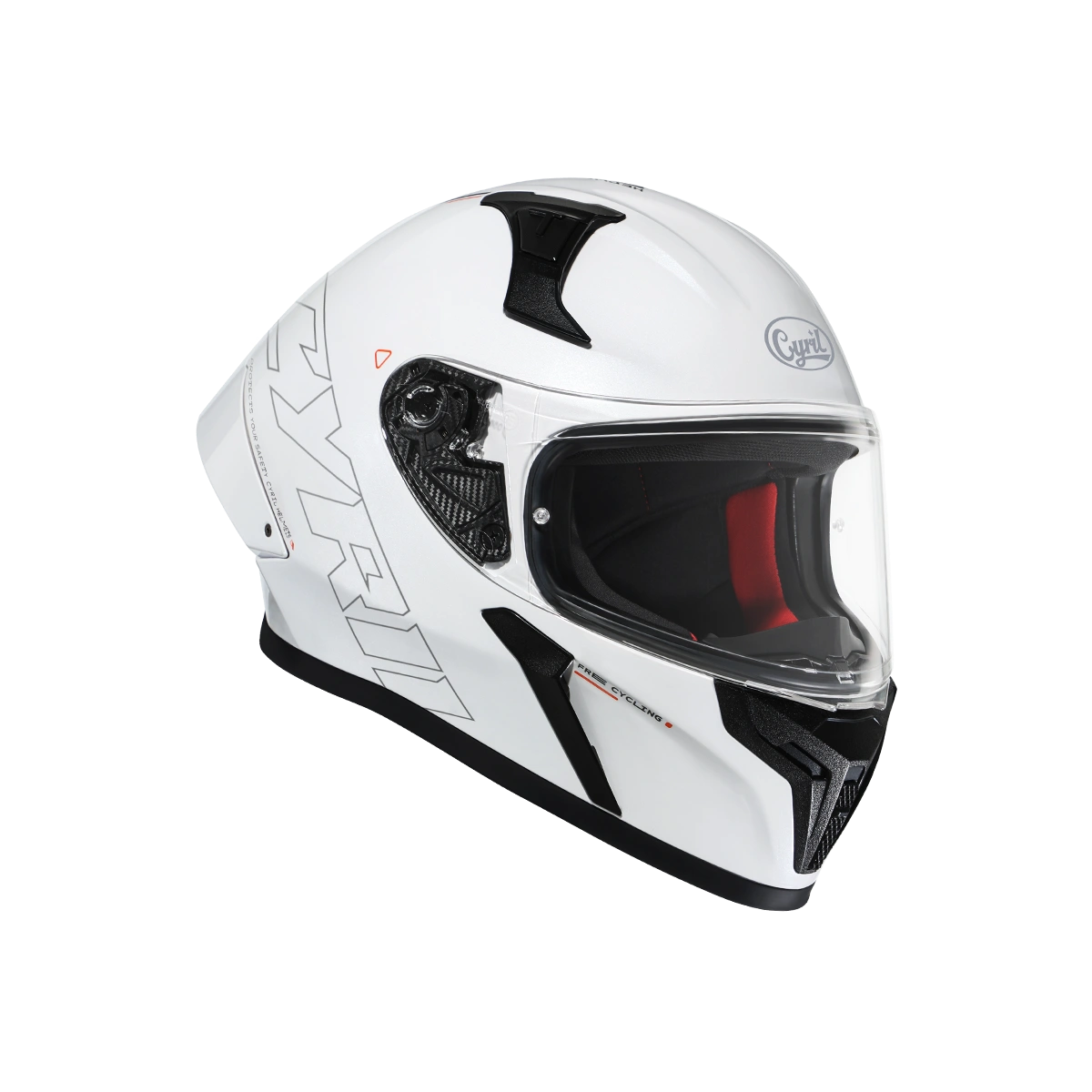
Best for Daily Commuters
For a commuter trying to decide whether cheek pressure is normal, the Mad Shark keeps the decision simple: full-face coverage, DOT / FMVSS 218 information, and removable washable interior parts for inspection and care. Use a short indoor wear test first, then ask support before changing any padding.
View Mad Shark
Best for Sport Riders
The R1-PRO fits riders who want a full-face, sport-profile helmet while still doing a careful cheek-pad test before keeping it. Its DOT / FMVSS 218 and ECE 22.06 information makes it a stronger match for riders who compare certification details as part of the buying process.
View R1-PRO
Best for Touring and Convenience
Choose the A128 when modular convenience matters alongside DOT / FMVSS 218 and ECE 22.06 information. For riders who feel cheek pressure mainly on longer trips, the flip-up design can make rest-stop checks easier, but cheek pain while riding still means the fit needs reassessment.
View A128Common Questions About Cheek Pad Comfort
How tight should cheek pads feel in a new helmet?
Snug enough to help the helmet stay stable when fastened, but not so tight that they cause pain, restrict jaw movement, or leave deep marks. NHTSA guidance supports a snug, stable helmet fit; for cheek pads, apply that standard by checking whether you can speak clearly and open your mouth for a yawn without significant resistance.
Will cheek pads loosen over time?
Yes, but modestly. Most cheek pad foam compresses five to fifteen percent over the first ten to twenty hours of wear. This is enough to relieve mild snugness but not enough to transform painful pads into comfortable ones. If the pads hurt from the first wear, break-in will not solve the problem.
Can I make cheek pads thinner myself?
No. Cheek pads are part of the helmet's impact absorption system. Modifying them yourself compromises protection and may void the warranty. If the pads are too thick, contact the manufacturer to ask about replacement pads in different thicknesses. Many brands offer thin, medium, and thick cheek pad sets.
Why do my cheek pads hurt more on one side?
Asymmetric cheek pad pain usually indicates a face shape mismatch or an internal helmet asymmetry. Most riders have slight facial asymmetry, but a properly designed helmet compensates for this. If one cheek pad hurts significantly more than the other, the helmet may be too narrow for your face width, or the internal padding may be uneven. Try a different helmet model with a wider internal profile.
Can braces or dental work make cheek pads uncomfortable?
Yes. Brackets and wires create hard points on the inside of your cheeks that press back against the pads. This can cause sore spots, especially on longer rides. Riders with braces may need a slightly larger helmet size, thinner cheek pads, or a model with a wider internal face profile. Some riders find relief by using orthodontic wax on brackets that contact the cheeks.
Should I size up if cheek pads are too tight?
Not automatically. If the helmet fits well at the forehead and temples but the cheek pads are too thick, thinner replacement pads are a better solution than sizing up. Sizing up makes the entire helmet looser, which can create new problems with stability. Only size up if the helmet is tight everywhere — forehead, temples, and cheeks.
How do I test cheek pad fit before buying?
Put the helmet on, fasten the strap, and wear it for ten to fifteen minutes while doing normal activities. Try opening your mouth fully, moving your jaw side to side, and speaking aloud. If the pads feel uncomfortable before the time is up, or if you notice any numbness, they are too tight. The best test is time — a cheek pad that feels fine for two minutes may become painful after twenty.
What if my helmet fits everywhere except the cheek pads?
This is common and usually fixable. If the helmet is comfortable at the crown, forehead, and temples but the cheek pads are too thick, look for thinner replacement pads from the manufacturer. If thinner pads are not available, some riders use a thin skull cap or balaclava to slightly reduce cheek volume. If neither option works, the helmet's internal face profile may be too narrow for you, and a different model is the solution.
Final Notes
Cheek pads are the most intimate contact point between you and your helmet. They should feel present but not punitive. The difference between a helmet you wear every day and one that sits on a shelf often comes down to whether the cheek pads were chosen for your face, not just your head circumference.
If your cheek pads hurt, do not assume you will get used to it. Do not assume break-in will solve it. Test, measure, and if necessary, swap or return. A helmet that fits your cheeks properly is a helmet you will reach for without hesitation every time you ride.