
What Causes Helmet Pain on Long Rides?

What Causes Helmet Pain on Long Rides?
A helmet that feels fine during a 30-minute commute can become hard to tolerate during a three-hour ride. Long-ride pain usually builds slowly: neck tension, forehead pressure, heat, sweat, or a shell that settles forward after repeated head checks. This guide helps you identify the first symptom instead of blaming every long ride on general fatigue.
Helmet pain on long rides is usually caused by one of four factors: helmet weight creating cumulative neck strain, sustained pressure exceeding tissue tolerance, heat and sweat amplifying friction and softening skin, or the helmet shifting slightly over time and concentrating pressure. A helmet that is comfortable for short rides may lack the features needed for multi-hour comfort — ventilation, weight distribution, or liner breathability.
This guide was built from publicly available helmet fit guidance, including NHTSA motorcycle helmet fit guidance, and official Cyril product information. Before publication, the article was checked for source-backed fit claims, conservative comfort language, verified product details, and no unsupported weight, medical, or fatigue guarantees.
Helmet Weight and Neck Fatigue
One possible cause of long-ride helmet pain is cumulative neck fatigue. Your neck supports your head, the helmet, and the riding posture for the full ride. A setup that feels manageable during errands can feel different after highway wind, shoulder tension, repeated mirror checks, and fewer chances to remove the helmet.

Do not reduce the decision to weight alone. A lighter helmet can still hurt if the shape is wrong, and a heavier helmet can feel acceptable if it is stable, balanced, and well matched to your head. A quick way to tell is to notice where the discomfort starts: base of skull and shoulders points toward fatigue, while a sharp forehead or temple point points back to fit.
Signs that weight is the problem:
- The pain starts at the base of the skull or upper neck and radiates forward.
- The pain does not appear until 45 to 60 minutes into the ride.
- Removing the helmet brings immediate relief to the neck and head.
- Short rides are comfortable; only rides over an hour cause problems.
Rider Persona: Jake — Weight Fatigue on Tours. Jake commutes 30 minutes daily with no discomfort. His weekend tours last four to six hours. Around the 90-minute mark, a dull pressure starts at the base of his skull. By hour three, he has a headache that makes him want to stop. His helmet is not too tight. It is too heavy for the duration of his rides.
Sustained Pressure Buildup
A helmet that applies mild pressure during a short ride applies sustained pressure during a long ride. The difference is duration. Once tissue tolerance is exceeded, the same contact point starts to feel sharper and harder to ignore.

That is useful information: note when it starts, where it starts, and whether removing the helmet gives immediate relief. Forehead, temple, and crown pain usually point back to fit rather than general ride fatigue.
Heat, Sweat, and Skin Softening
During a long ride, trapped heat and sweat make pressure feel worse. Skin softens, the liner gets damp, and contact that felt firm at first can become irritating by the second hour.

Sweat also lets the liner move slightly against your skin, adding friction. Ventilation matters because cooler, drier padding delays that heat-and-friction cycle.
Rider Persona: Sarah — Heat Amplifier. Sarah rides comfortably for an hour in cool weather. In summer, the same helmet becomes painful after 40 minutes. The difference is entirely temperature-related. Her skin softens faster in heat, and sweat increases friction. She now prioritizes helmets with multiple ventilation channels for summer touring.
Micro-Shifting Over Time
A helmet that sits well at the start may settle lower, shift forward, or rotate slightly after hours of vibration and wind. The rider often notices the pain before noticing the movement. Slightly loose helmets and worn liners make this more likely.
Why Long Rides Are Different
Short-ride comfort and long-ride comfort are not the same thing. A helmet can pass the short-ride test and fail the long-ride test. Understanding the difference helps you choose the right helmet for your actual riding pattern.
| Factor | Short Ride (Under 1 Hour) | Long Ride (Over 2 Hours) |
|---|---|---|
| Helmet weight | Usually not noticeable | Becomes significant as neck muscles fatigue |
| Pressure tolerance | Tissue handles mild compression well | Tissue reaches elastic limit; pressure becomes painful |
| Heat buildup | Minimal if ventilation is adequate | Accumulates; skin softens and becomes more sensitive |
| Sweat effects | Usually minimal | Creates friction and allows liner movement |
| Helmet shifting | Usually not significant | Micro-shifts accumulate and change pressure points |
| Ventilation importance | Moderate | Critical for delaying heat and moisture buildup |
Fixes for Long-Ride Comfort

- Watch helmet weight. If you regularly ride over 90 minutes, notice whether pain starts in the neck or base of skull.
- Prioritize ventilation. Multiple vents with clear airflow paths keep the interior cooler and delay heat-related discomfort.
- Take breaks. Stop every 60 to 90 minutes, remove the helmet briefly, cool down, and reset posture.
- Manage sweat. A thin moisture-wicking cap can reduce friction if it does not make the helmet tighter.
- Check fit at speed. A helmet that shifts at highway speed creates pressure points that do not exist at slower speeds. Test at your typical cruising speed.
- Use stops well. Modular convenience can help at rest stops, but the closed fit still has to be correct.
Rider Persona: Mike — Breaks and Ventilation. Mike used to push through long rides with a poorly ventilated helmet. Switching to better airflow and planned hourly breaks made the pain pattern easier to manage and easier to diagnose.
If long rides are part of your routine, do not judge a helmet by a 10-minute test ride. Wear it for at least 30 to 45 minutes. Check ventilation, weight, and whether pressure points develop over time. A helmet that works for commuting may not work for touring. Choose based on your longest typical ride, not your shortest.
Helmets for Long-Ride Comfort
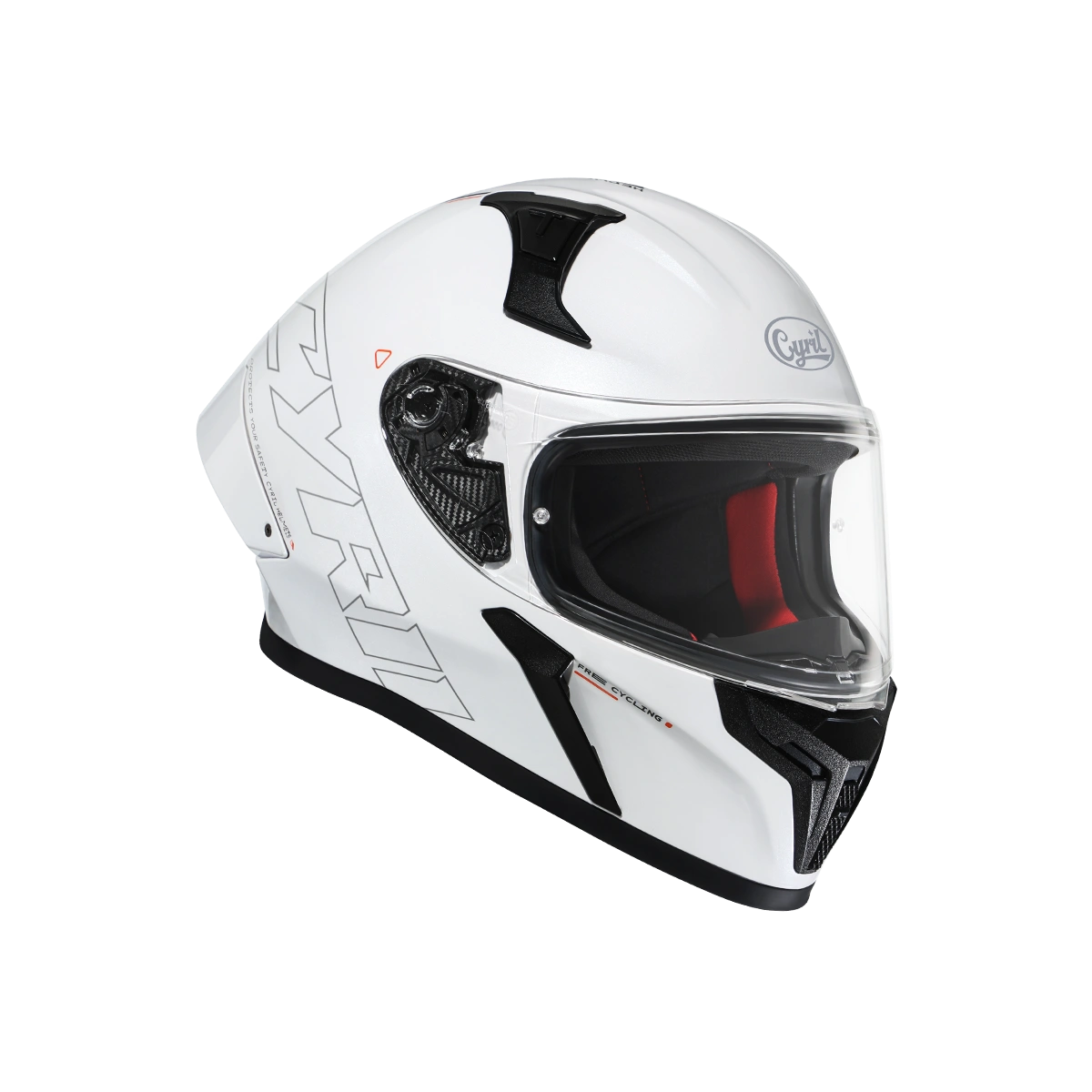
Best for Daily Commuters
The Mad Shark is a full-face helmet with DOT / FMVSS 218 information, an ABS shell, multi-layer EPS, active ventilation, and a removable washable liner. Treat those as comfort details to test, not a guarantee that fatigue disappears.
View Mad Shark
Best for Sport Riders
The R1-PRO carries DOT / FMVSS 218 and ECE 22.06 information with a sport-inspired profile and ventilation. Test it in normal riding posture if neck strain appears late in the ride.
View R1-PRO
Best for Touring and Long Rides
The THUNDER is a dual-visor modular helmet with DOT / FMVSS 218 and ECE 22.06 information. The flip-up chin bar can make rest stops easier, but fit must be judged closed and fastened.
View THUNDERCommon Questions About Long-Ride Helmet Pain
Why does my helmet only hurt on long rides?
Short rides do not give your neck muscles enough time to fatigue or your tissue enough time to reach its pressure limit. Long rides allow these effects to accumulate. The helmet may fit well for 30 minutes but exceed your tolerance after two hours.
Can a heavier helmet cause headaches on long rides?
Yes. Weight can add neck fatigue that turns into a tension headache near the base of the skull, usually after 45 to 90 minutes rather than immediately.
Should I take breaks to avoid helmet pain?
Yes, planned breaks can help long-ride comfort. Many riders use 60- to 90-minute stops to remove the helmet for a few minutes, cool down, and reset posture. Breaks are not a fix for sharp pressure, numbness, or a helmet that keeps shifting, but they make long-ride patterns easier to read.
Does ventilation really matter for long rides?
Yes. Poor ventilation traps heat and moisture, which softens skin and increases friction. On long rides, airflow affects comfort almost as much as initial fit.
Can I make my current helmet more comfortable for long rides?
Partially. Take breaks, manage sweat, and confirm helmet position. If the root cause is weight, shape, or poor ventilation, those steps only delay the discomfort.
How much lighter should a touring helmet be?
There is no universal number. If weight seems to be the trigger, compare helmets during at least a 45-minute test instead of relying on a spec sheet alone.
Why does my neck hurt more than my head on long rides?
Neck-first pain usually points to posture, wind load, or helmet weight. Forehead, temple, or crown pain points more toward fit and pressure distribution.
Should I choose a modular helmet for touring?
Many touring riders prefer modular helmets because the flip-up chin bar provides instant pressure relief at rest stops. However, the chin bar must be comfortable in the closed position for riding safety. Do not choose a modular helmet solely for the flip-up feature if the closed fit is wrong.
Final Notes
Long-ride helmet pain is often predictable once you know the pattern: sustained pressure, heat, sweat, posture fatigue, and helmet movement. The solution is not to tolerate pain. Check fit, ventilation, riding posture, rest timing, and whether the helmet still suits the duration of your rides.