
Why Does My Helmet Feel Fine for 20 Minutes Then Hurt?

Why Does My Helmet Feel Fine for 20 Minutes Then Hurt?
A helmet that feels comfortable at first but hurts after 20 minutes is one of the easiest fit problems to talk yourself out of. The first minutes feel fine, the pain arrives late, and the rider wonders whether break-in will solve it. This guide shows how to read that delay before you ride outside or miss the return window.
Delayed helmet pain can come from gradual tissue compression, heat, sweat, liner contact, or subtle helmet shifting that concentrates pressure over time. Pain that appears after 20 to 30 minutes but not immediately often points to a borderline fit problem: close enough to feel promising at first, but not clean enough to trust without a longer indoor test.
This guide was built from publicly available helmet fit guidance, including NHTSA motorcycle helmet fit guidance, and official Cyril product information. Before publication, the article was checked for source-backed fit claims, practical return-window relevance, verified product details, and avoidance of medical overreach.
Why Delayed Pain Happens
A helmet that feels fine for the first 20 minutes seems like a good fit. The initial impression is positive. But the delay is actually a warning sign. It means the helmet is close to fitting correctly but has a hidden flaw that only becomes apparent as time passes.

The human body adapts to mild pressure. In the first few minutes, your skin and soft tissue compress slightly, accommodating the helmet's snugness. Blood flow adjusts. You feel comfortable. But as minutes accumulate, the sustained pressure exceeds what the tissue can tolerate. Blood flow becomes restricted. Nerve endings become irritated. The helmet shifts microscopically with road vibration, concentrating force on specific points.
By the 20-minute mark, the accumulated effects cross a threshold. What felt like snugness now feels like pressure. What felt like support now feels like clamping. The rider often tries to ignore it, thinking it will pass. It does not. It gets worse.
Rider Persona: Jake — The 20-Minute Switch. Jake's helmet feels perfect when he puts it on. The first 15 minutes of his commute are comfortable. Around minute 20, a dull ache starts at his temples. By minute 30, he is adjusting the helmet at stoplights. By minute 40, he is counting the minutes until arrival. The helmet does not feel tight at first. It becomes tight.
Tissue Compression Over Time
Your skin, fat layer, and connective tissue have limited capacity to absorb sustained pressure. When you first put on a helmet, these layers compress and distribute the force. Over time, they reach their elastic limit. Further compression requires the pressure to push harder, which irritates nerve endings and restricts blood vessels.
This is why the same helmet can feel different at minute 5 and minute 25. The tissue has changed. It is no longer cushioning. It is transmitting force directly to the bone and nerves beneath.
Tissue compression is worse at pressure points. A helmet with even pressure distributes the load across a large surface area. A helmet with uneven pressure concentrates force on small areas. Those areas reach their limit first, which is why delayed pain often starts at one specific spot before spreading.
Helmet Shifting During Riding
A helmet that feels secure at a standstill may shift subtly during riding. Road vibration, head movement, wind pressure, and jaw motion all cause micro-movements. Over 20 minutes, these movements add up.

Signs that shifting is causing delayed pain:
- The pain starts after you reach highway speeds, not during slow riding.
- The pain is accompanied by a sensation that the helmet has "settled" lower on your head.
- You find yourself pushing the helmet back into position at stops.
- The strap loosens slightly during the ride, allowing forward movement.
A helmet that shifts forward during riding concentrates pressure on the forehead and brow. A helmet that shifts side to side creates pressure at the temples. The movement is often imperceptible — you do not notice the helmet moving, but your nerves do.
Rider Persona: Sarah — Speed-Dependent Pain. Sarah's helmet feels fine around town. On the highway, wind pressure pushes it forward. After 20 minutes at speed, her forehead aches. When she stops and pushes the helmet back, relief is immediate. The problem is not the helmet's static fit. It is the helmet's dynamic stability at speed.
Heat and Sweat Effects
Heat and sweat change how your skin responds to pressure. As you ride, your head warms up. Blood vessels dilate. Skin becomes softer and more pliable. What started as comfortable contact becomes excessive pressure on softened tissue.

Sweat also lubricates the interface between your skin and the liner. This allows the helmet to shift more easily, creating friction and movement that did not exist when the liner was dry. The combination of softened skin and increased movement accelerates the onset of discomfort.
In hot weather, delayed pain appears sooner. In cold weather, it may take longer. The helmet has not changed. Your body's response to it has.
Diagnosing Your Specific Delay

| When Pain Starts | Likely Cause | Confirming Test |
|---|---|---|
| 5 to 15 minutes | Helmet too tight or wrong shape | Check for immediate red marks and concentrated pressure points |
| 15 to 30 minutes | Borderline fit, tissue compression limit | Wear helmet at home for 30 minutes; note when discomfort appears |
| 30 to 60 minutes | Shifting at speed or heat/sweat effects | Compare comfort at low speed vs. highway; check if pain worsens in heat |
| Only on long rides | Cumulative fatigue, weight, or sustained pressure | Take hourly breaks; if pain disappears during breaks, cumulative pressure is the cause |
What to Do About Delayed Pain
- Do the 30-minute test. Wear the helmet at home for 30 minutes while doing normal activities. If pain appears, the fit is wrong regardless of how it feels initially.
- Check strap tension mid-ride. If the strap loosens, the helmet shifts. Re-tighten or replace worn strap components.
- Monitor position. Check helmet position at each stop. If it has shifted, address the cause — loose fit, worn liner, or incorrect installation.
- Take breaks. On rides over 30 minutes, stop every 20 to 30 minutes to remove the helmet and restore circulation.
- Consider a different model. If delayed pain persists across adjustments, the helmet's fit profile does not match your head's response to sustained pressure.
Rider Persona: Mike — The 30-Minute Test Worked. Mike's helmet felt great for 15 minutes but hurt at 25. He wore it at home for 30 minutes while reading. At minute 22, temple pressure started. He returned the helmet and chose a model with a slightly wider interior. The new helmet passed the 30-minute test and remains comfortable on his longest rides.
A helmet that passes the first impression but fails the 20-minute test is not a good helmet. Always test for at least 30 minutes before committing. The best helmet feels comfortable at minute 1 and at minute 60.
Helmets for Consistent Long-Ride Comfort
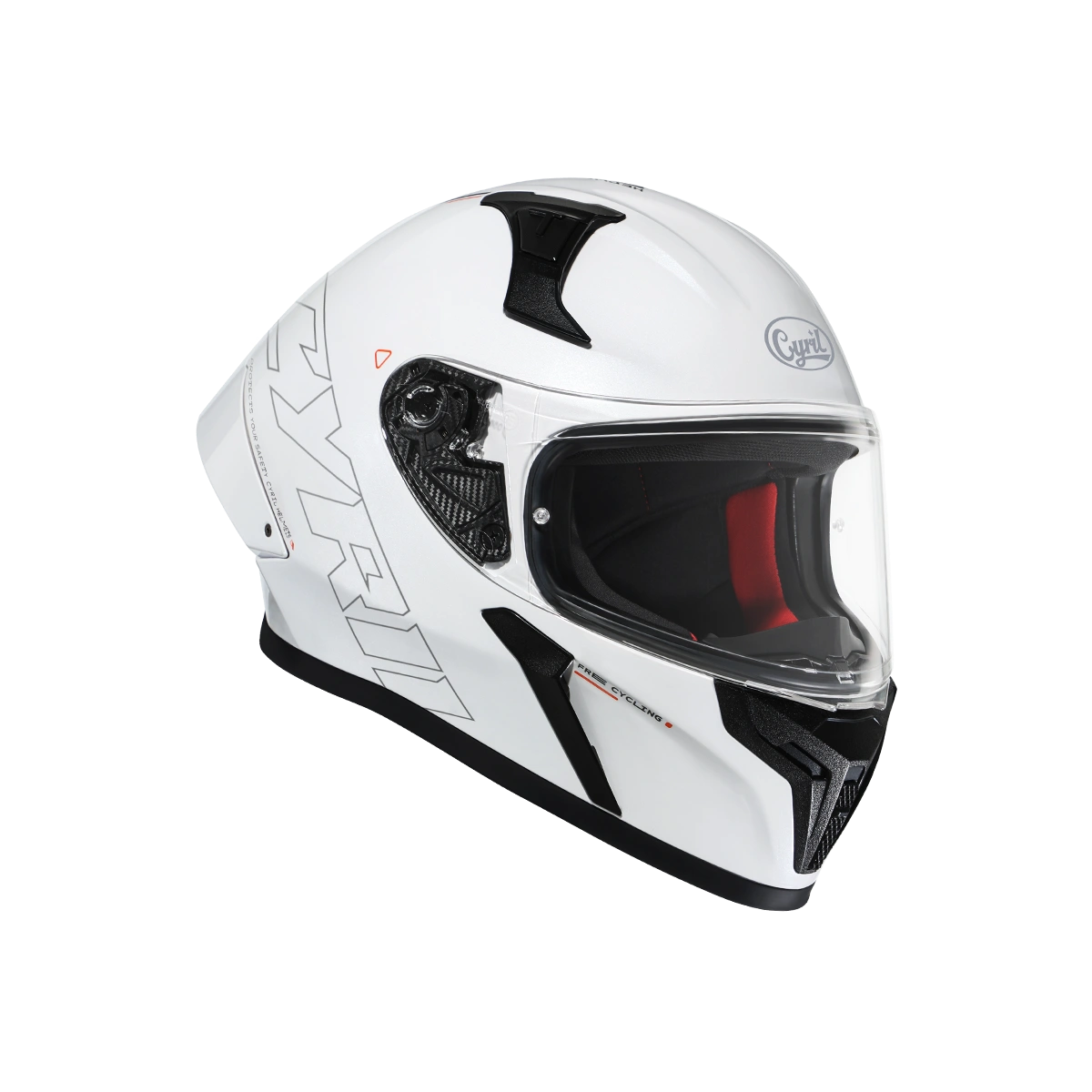
Best for Daily Commuters
The Mad Shark is a full-face helmet with DOT / FMVSS 218 information, active ventilation that reduces heat buildup. Cooler interior temperatures delay the onset of sweat-related pressure discomfort.
View Mad Shark
Best for Sport Riders
The R1-PRO carries DOT / FMVSS 218 and ECE 22.06 information with a sport-inspired profile, ventilation, and a stable full-face shell profile. Riders worried about delayed pain should test it in normal riding posture and note whether pressure appears during head turns, not just while standing still.
View R1-PRO
Best for Touring and Long Rides
The THUNDER is a dual visor modular helmet with DOT / FMVSS 218 and ECE 22.06 information. The flip-up chin bar can make short rest-stop checks easier, but delayed pain still needs to be judged with the chin bar closed, the strap fastened, and the helmet seated level.
View THUNDERCommon Questions About Delayed Helmet Pain
Is delayed pain normal with a new helmet?
No. A new helmet may feel snug, but it should not become painful after 20 minutes. Delayed pain often means the helmet is close to fitting but has a pressure, position, or stability issue that only shows up after sustained wear.
Will break-in fix delayed pain?
Unlikely. Delayed pain is usually caused by sustained pressure that exceeds tissue tolerance or helmet shifting. Break-in compresses liner foam but does not change the fundamental pressure distribution or stability issues that cause delayed discomfort.
Why does my helmet hurt more in summer?
Heat softens skin and increases sweat, both of which amplify pressure effects. Softened skin compresses more easily, reaching its limit sooner. Sweat lubricates the liner interface, allowing more micro-movement and friction. In summer, delayed pain may appear 10 minutes earlier than in cooler weather.
Should I tighten my strap to prevent shifting?
Not excessively. A properly snug strap should secure the helmet without becoming the only thing holding it in place. Over-tightening creates jaw pain and downward pressure. If the helmet shifts despite normal strap tension, check size, liner seating, and helmet shape before assuming the strap is the fix.
Can a heavier helmet cause delayed pain?
Yes, but usually after 45 to 60 minutes rather than 20. Weight-related pain starts as neck fatigue and radiates to the head. If your pain starts at 20 minutes, the cause is more likely fit or shifting than weight.
How long should I test a helmet before buying?
At least 30 minutes. A helmet that feels comfortable for 5 minutes may fail at 25. Wear it around the store or at home. Move your head, talk, and simulate the posture you use while riding. If any discomfort appears before 30 minutes, try a different size or model.
What if the pain only happens on highways?
Wind pressure at speed can push a slightly loose helmet forward, concentrating pressure on the forehead. The helmet may feel fine at low speeds because there is no wind force. On the highway, the force shifts the helmet and creates pressure that did not exist at slower speeds. This indicates the helmet is borderline loose.
Should I return a helmet with delayed pain?
Yes. Delayed pain is a reliable indicator of a fit problem that will persist. Unlike mild initial snugness that break-in may improve, delayed pain tends to worsen over time. Return the helmet within the window and choose one that remains comfortable for at least 30 minutes of test wear.
Final Notes
Delayed helmet pain is one of the most deceptive fit problems because the initial impression is positive. A helmet that feels good for 20 minutes seems like the right choice. But comfort that fades is not real comfort. It is borrowed time.
Use a 30-minute indoor test because the delayed signal is the whole point of this problem. If the same pain appears at minute 20 twice, do not bargain with yourself just because the helmet felt good at minute 2. Document the location, timing, and setup, then ask support before riding outside or waiting for vague break-in.