
What Should I Check If My Helmet Makes My Shoulders Tense?

What Should I Check If My Helmet Makes My Shoulders Tense?
Shoulder tension is often a reaction, not the first problem. A helmet that moves, whistles, catches wind, presses against a collar, or makes you brace can send tension into your neck and shoulders even when the shell is not painful in one obvious spot.
Start by finding the first trigger in the chain. Shoulder tension may begin with wind noise, helmet shake, strap discomfort, a tall collar, backpack pressure, or a riding posture that makes you hunch. If tension is sharp, persistent, radiating, or appears even without the helmet, treat it as more than a fit question.
This guide was built from publicly available helmet fit guidance, including NHTSA motorcycle helmet fit guidance, health information from MedlinePlus neck injuries and disorders materials, ergonomics context from CDC/NIOSH ergonomics guidance, and official Cyril product information. Before publication, it was checked for clear medical limits, source-backed fit claims, verified product details, practical rider relevance, and no invented product weight, price, stock, size range, certification number, or safety promise.
The Short Answer
Shoulder tension can come from the helmet, but it often comes from the whole upper-body setup: wind buffeting, collar pressure, strap feel, noise, backpack weight, or a rider bracing against discomfort. The helmet may be the trigger, the amplifier, or only one part of the chain.
The practical test is to ask what you are doing with your body. If your shoulders rise, elbows lock, or neck stiffens after the helmet goes on, check fit, wind, jacket collar, and noise before assuming the helmet is simply the wrong size.
Rider Persona: Olivia - Raised Shoulders at Stops. This composite support scenario follows a commuter who notices her shoulders are lifted every time she reaches a red light. The helmet is not causing one sharp pressure point; it is making her brace against wind noise and collar contact.
Why This Problem Happens
Shoulder tension is often a reaction. A loud helmet can make you hunch. A loose helmet can make you stabilize your head. A tall collar can push the rear shell up. A chin strap that feels wrong can make you hold your jaw and neck stiffly.
The NHTSA helmet guidance emphasizes snug, stable fit. Stability matters here because every small correction from your neck can travel down into the shoulders during a longer ride. CDC/NIOSH ergonomics guidance identifies awkward posture, vibration, sustained force, and longer duration as risk factors for musculoskeletal discomfort, which is why wind, collar contact, and bracing are part of this helmet check.
| Possible Cause | What It Feels Like | Best First Check |
|---|---|---|
| Position | Helmet sits too high, too low, or tilted | Reset the helmet level and fasten the strap before judging fit |
| Size | The helmet is too tight or too loose overall | Repeat the head measurement and compare it with the product size chart |
| Shape | Pressure appears in one clear zone while another zone feels loose | Compare round, intermediate oval, and longer oval head-shape signs |
| Liner | A seam, pad edge, washed liner, or replaced padding creates a hard point | Remove only removable parts as instructed and inspect for uneven placement |
| Riding setup | Collar, glasses, earplugs, speakers, or posture changes the contact point | Repeat the fit test with the exact gear you use while riding |
What to Check First
Start by recreating the shoulder tension off the bike. Put the helmet on, fasten the strap, wear your normal jacket, and sit in your riding posture. Then relax your hands and notice whether your shoulders keep rising without you meaning to.
- Check whether your collar touches the helmet when you turn your head.
- Notice if wind noise or pressure makes you lift your shoulders.
- Test with and without a backpack or thick hoodie if those are part of your ride.
- Look for helmet lift or shake that makes your neck stabilize the shell.
- Write down whether tension begins in the shoulders, neck, jaw, or upper back.
Rider Persona: Jake - Backpack and Wind Test. This composite rider gets shoulder tension only on weekend rides with a small backpack. Removing the backpack changes his posture and reduces the tension, which keeps him from blaming cheek pads or helmet size too early.
Normal Fit or Warning Sign?
Normal upper-body fatigue is broad and tied to ride duration. A warning sign is tension that appears quickly after gearing up, changes your shoulder checks, or makes you ride stiff because the helmet, collar, or wind is bothering you. MedlinePlus notes that neck problems can also be felt around the shoulder, jaw, head, or upper arms, so radiating or persistent symptoms deserve medical judgment instead of another gear adjustment.
Late-Ride Upper-Body Fatigue
Tension builds after time on the bike and improves with rest or posture changes.
Collar or Gear Trigger
A jacket, hoodie, backpack, or communication gear changes head movement or shoulder posture.
Bracing Against the Helmet
You tense your shoulders to manage noise, movement, strap pressure, or wind lift.
A Practical Test Routine
Use a posture test instead of only a fit test. The goal is to catch bracing before it becomes a habit.
- Sit in riding posture with both feet planted and hands relaxed.
- Turn your head left and right while watching whether shoulders rise.
- Repeat with jacket collar zipped and unzipped if safe for the test.
- Note whether earplugs reduce bracing caused by wind noise.
- If tension appears only at speed, record wind, windshield, and posture notes.
Do not try to solve every variable at once. Test collar, backpack, ear protection, and windshield exposure separately when possible. If one change drops your shoulders immediately, you have found a setup trigger; if nothing changes the tension, the helmet fit or a non-gear cause deserves closer review.
How to Avoid the Same Problem Next Time
If the issue follows a collar, hoodie, or backpack, solve the gear conflict first. If it follows helmet movement, focus on size and stability. If it follows noise or wind, test ear protection, windshield behavior, and posture before replacing the helmet.
Support can help more when you describe the chain: what starts first, what body part tenses next, and what adjustment gives relief.
For support, avoid saying only "my shoulders hurt." Say whether the helmet moves, whether the collar touches the rear shell, whether earplugs change your posture, and whether the tension begins before or after road speed. Those details separate fit, wind, noise, and gear layering.
Rider Persona: Ethan - Return Window Decision. This composite rider thinks the helmet is too tight, but his notes show tension only with a winter collar. He can now test the collar issue separately before exchanging a helmet that may otherwise fit.
If shoulder tension appears only with one collar, backpack, speed range, or wind condition, isolate that trigger first. If it is sharp, radiates, persists after riding, or appears without helmet use, stop treating it as a simple fit issue.
How to Apply This When Choosing
For shoulder tension, match the helmet to the riding setup that creates the tension: commuting, highway wind, stop-and-go use, or gear layering.
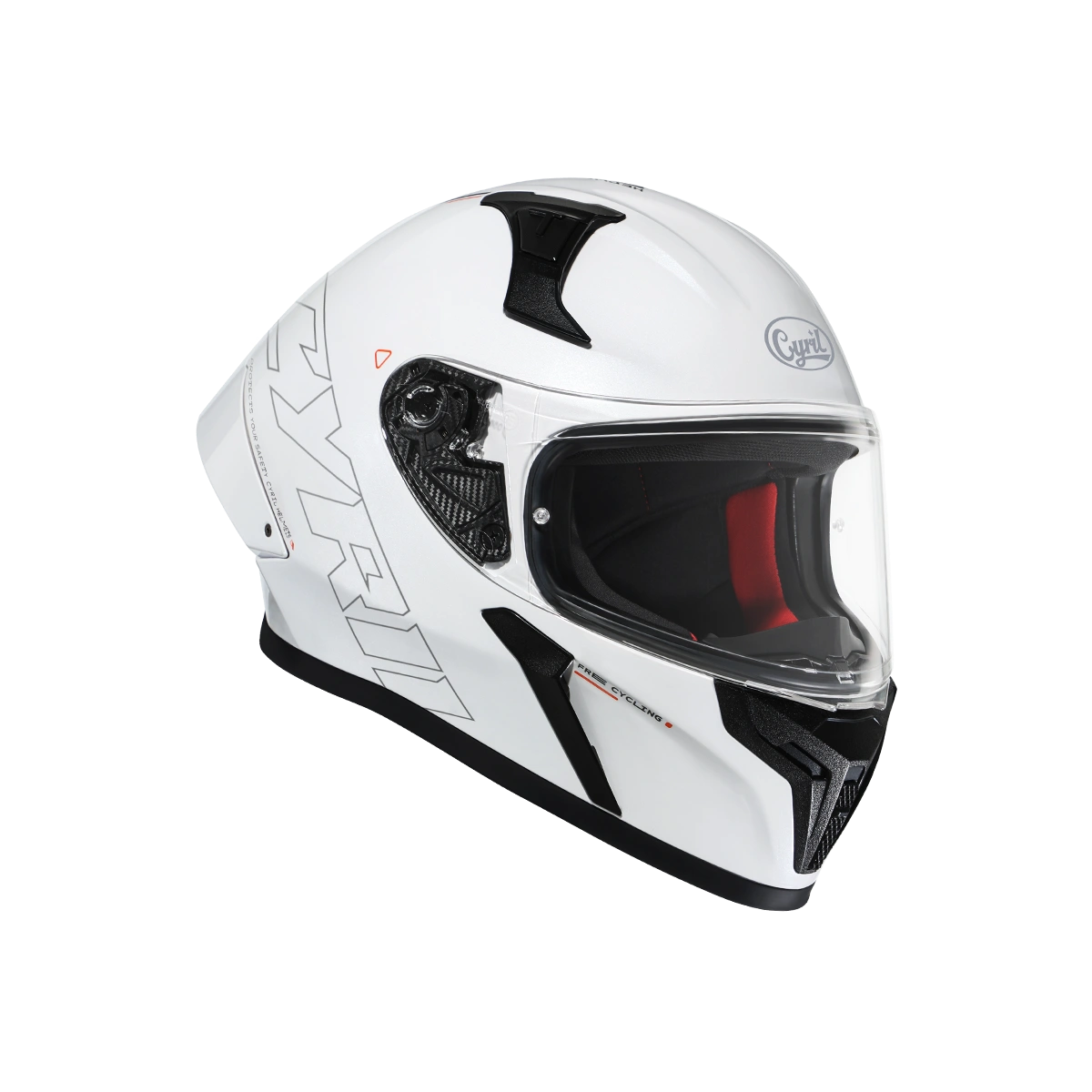
Best for Commute Posture Checks
The Mad Shark is a full-face helmet with DOT / FMVSS 218 information, an ABS shell, multi-layer EPS, active ventilation, a clear visor view, and a removable washable liner. It is a practical candidate when shoulder tension shows up in repeatable daily riding and you need to compare fit, collar clearance, and ventilation.
View Mad Shark
Best for Riders Comparing Wind Stability
The R1-PRO is a full-face helmet with DOT / FMVSS 218 and ECE 22.06 information, a sport-inspired profile, magnetic visor release, ventilation, a removable washable liner, and a stable full-face shell profile. It fits riders who want to evaluate how a full-face profile feels during head checks and wind exposure.
View R1-PRO
Best for Frequent Stops and Gear Checks
The THUNDER is a dual visor modular helmet with flip-up convenience, a clear outer shield, an inner sun visor, wide-view comfort, a removable washable liner, and DOT / FMVSS 218 and ECE 22.06 information. Its modular convenience can help during stops, but shoulder tension still needs testing with the chin bar closed and the jacket collar in place.
View THUNDERCommon Questions About What Should I Check If My Helmet Makes My Shoulders Tense
Can a helmet make my shoulders tense?
Yes, especially if it shakes, pulls in wind, creates noise, or interacts with your collar. The shoulder tension is often your body bracing against another problem.
Is this a sizing problem?
Sometimes, but not always. Check collar pressure, backpack straps, wind buffeting, posture, and noise before changing size.
Can earplugs help shoulder tension?
If wind noise makes you hunch or brace, proper hearing protection may reduce tension. It will not fix poor helmet fit or movement.
Why does my jacket collar matter?
A tall or stiff collar can push the helmet upward or limit head movement, making your shoulders compensate.
Should I loosen the strap?
No. A loose strap can increase movement and bracing. Fix the cause rather than riding with a less secure setup.
What should I tell support?
Describe when the tension starts, what gear you wear, whether the helmet moves, and whether the issue changes with collar, backpack, earplugs, or speed.
Can this be a medical issue?
Yes. If shoulder tension is sharp, persistent, radiates, or appears without helmet use, treat it as more than a fit question.
When should I exchange the helmet?
Exchange makes sense when correct fit testing shows the helmet repeatedly causes bracing, movement, or collar conflict during your normal riding setup.
Final Notes
Shoulder tension is usually a chain reaction. Check helmet stability, noise, wind, collar contact, backpack pressure, and posture before changing size. The best fix is the one that removes the first trigger, not just the final ache.