
Why Does a Heavy Helmet Make My Neck Tired?

Why Does a Heavy Helmet Make My Neck Tired?
A helmet does not have to feel painfully heavy in your hands to tire your neck on the road. Fatigue usually comes from the combination of helmet mass, wind lift, vibration, posture, ride duration, and any accessory or collar that changes balance.
A heavy helmet can make your neck tired because your neck has to stabilize helmet mass through wind, vibration, braking, and head checks. The timing matters: fatigue after an hour at speed is different from immediate sharp pain during an indoor test. Track ride duration, wind, posture, accessories, and rest breaks before deciding whether the issue is weight, stability, setup, or a medical concern.
This guide was built from publicly available helmet fit guidance, including NHTSA motorcycle helmet fit guidance, health information from MedlinePlus neck injuries and disorders materials, ergonomics context from CDC/NIOSH ergonomics guidance, and official Cyril product information. Before publication, it was checked for clear medical limits, source-backed fit claims, verified product details, practical rider relevance, and no invented product weight, price, stock, size range, certification number, or safety promise.
The Short Answer
A heavy helmet can make your neck tired because your neck muscles support and stabilize that mass through wind, vibration, braking, and head checks. The weight matters most when it is combined with long ride time, upright wind exposure, or a helmet that shakes.
Do not judge weight by holding the helmet in your hands for five seconds. Test when fatigue begins, whether the helmet lifts or buffets, and whether rest stops reset the ache. A helmet can feel acceptable on a commute and tiring after an hour of highway riding.
Rider Persona: Lena - One-Hour Fatigue Pattern. This composite support scenario follows a rider who feels fine during errands but gets neck fatigue after an hour on an upright bike. Her notes separate helmet weight from wind buffeting, because the same helmet feels different behind a windshield.
Why This Problem Happens
Helmet weight is only one part of neck fatigue. Balance, wind lift, shell stability, road vibration, and riding posture decide how much work your neck actually does. A helmet that rocks in turbulence can feel more tiring than its listed weight suggests.
The NHTSA helmet guidance emphasizes secure fit. For fatigue, secure fit matters because a stable helmet lets your head and helmet move together instead of making your neck correct small movements all ride long. CDC/NIOSH ergonomics guidance also points to sustained force, vibration, awkward posture, and longer duration as musculoskeletal risk factors, which is why ride length and wind behavior belong in the same log as helmet weight.
| Possible Cause | What It Feels Like | Best First Check |
|---|---|---|
| Position | Helmet sits too high, too low, or tilted | Reset the helmet level and fasten the strap before judging fit |
| Size | The helmet is too tight or too loose overall | Repeat the head measurement and compare it with the product size chart |
| Shape | Pressure appears in one clear zone while another zone feels loose | Compare round, intermediate oval, and longer oval head-shape signs |
| Liner | A seam, pad edge, washed liner, or replaced padding creates a hard point | Remove only removable parts as instructed and inspect for uneven placement |
| Riding setup | Collar, glasses, earplugs, speakers, or posture changes the contact point | Repeat the fit test with the exact gear you use while riding |
What to Check First
Track when tiredness starts. If it appears after five minutes indoors, fit or posture may be the issue. If it appears after 45-90 minutes at speed, wind load and ride duration deserve more attention.
- Compare short errands, commuting, and longer rides instead of using one ride as proof.
- Note whether fatigue gets worse with speed, crosswind, or a naked-bike posture.
- Check whether the helmet lifts, shakes, or pulls backward when you turn your head.
- Use rest stops to see whether the neck resets or stays sore.
- Do not add accessories before confirming they are not increasing fatigue.
Rider Persona: Daniel - Highway Weekend Ride. This composite rider only notices tiredness after the second fuel stop. His helmet does not hurt in one spot; his neck is simply working all ride. That pattern points to duration, wind, and stability more than cheek-pad fit.
Normal Fit or Warning Sign?
Some tiredness on a long ride can be normal, especially after time away from riding. The concern is fatigue that starts early, forces stiff posture, makes shoulder checks harder, or keeps getting worse even after breaks. MedlinePlus notes that neck pain can involve nearby areas such as shoulders, jaw, head, and upper arms, so fatigue that turns into pain or radiating symptoms should not be treated as a simple helmet-weight complaint.
Late-Ride Tiredness
Fatigue appears after longer rides and improves with breaks, posture changes, or slower wind exposure.
Speed-Linked Fatigue
The helmet feels fine in town but tiring on open roads, suggesting wind lift or buffeting.
Early Muscle Strain
Neck tiredness starts quickly, limits head checks, or makes the helmet feel unstable.
A Practical Test Routine
Use a ride log instead of relying on memory. Weight fatigue is often a timing problem.
- Record ride length, speed range, road type, and wind conditions.
- Note whether fatigue starts before or after highway speed.
- Check whether the helmet shakes when you pass trucks or ride in crosswind.
- Compare one ride with and without added accessories if they are removable.
- Stop testing if fatigue becomes sharp pain, numbness, or a medical concern.
Keep the log simple enough that you will actually use it: route, speed range, wind, helmet setup, accessory setup, and the minute fatigue starts. If the same helmet feels different behind a windshield, with a camera mount, or after a long break, the issue is probably not weight alone. That pattern gives support better information than saying the helmet is heavy.
How to Avoid the Same Problem Next Time
When choosing again, think in riding hours, not just product specs. A helmet that feels fine for 20 minutes may not suit a rider who spends two hours at highway speed every weekend.
If fatigue is caused by lift or shake, a looser size is not the answer. If fatigue is mainly long-duration load, compare helmet type, posture, ventilation, and accessories before deciding what to change.
Also avoid making the first fix an add-on. Cameras, mounts, thick liners, or communication units can change balance and wind behavior. Confirm the bare helmet first, then add one accessory at a time so the cause stays visible.
Rider Persona: Noah - Accessory Check. This composite rider adds a camera mount before realizing his neck fatigue has increased. He removes the accessory for a comparison ride and documents the difference before blaming helmet weight alone.
If tiredness appears late, improves with breaks, and changes with wind or posture, keep testing the setup. If it starts quickly, limits head checks, radiates, or comes with numbness, weakness, or persistent pain, pause the gear experiment and use medical judgment.
How to Apply This When Choosing
For heavy-helmet fatigue, choose around your normal ride duration and wind exposure. Product details help only when you connect them to how long and where you ride.
Best for Routine Commute Baselines
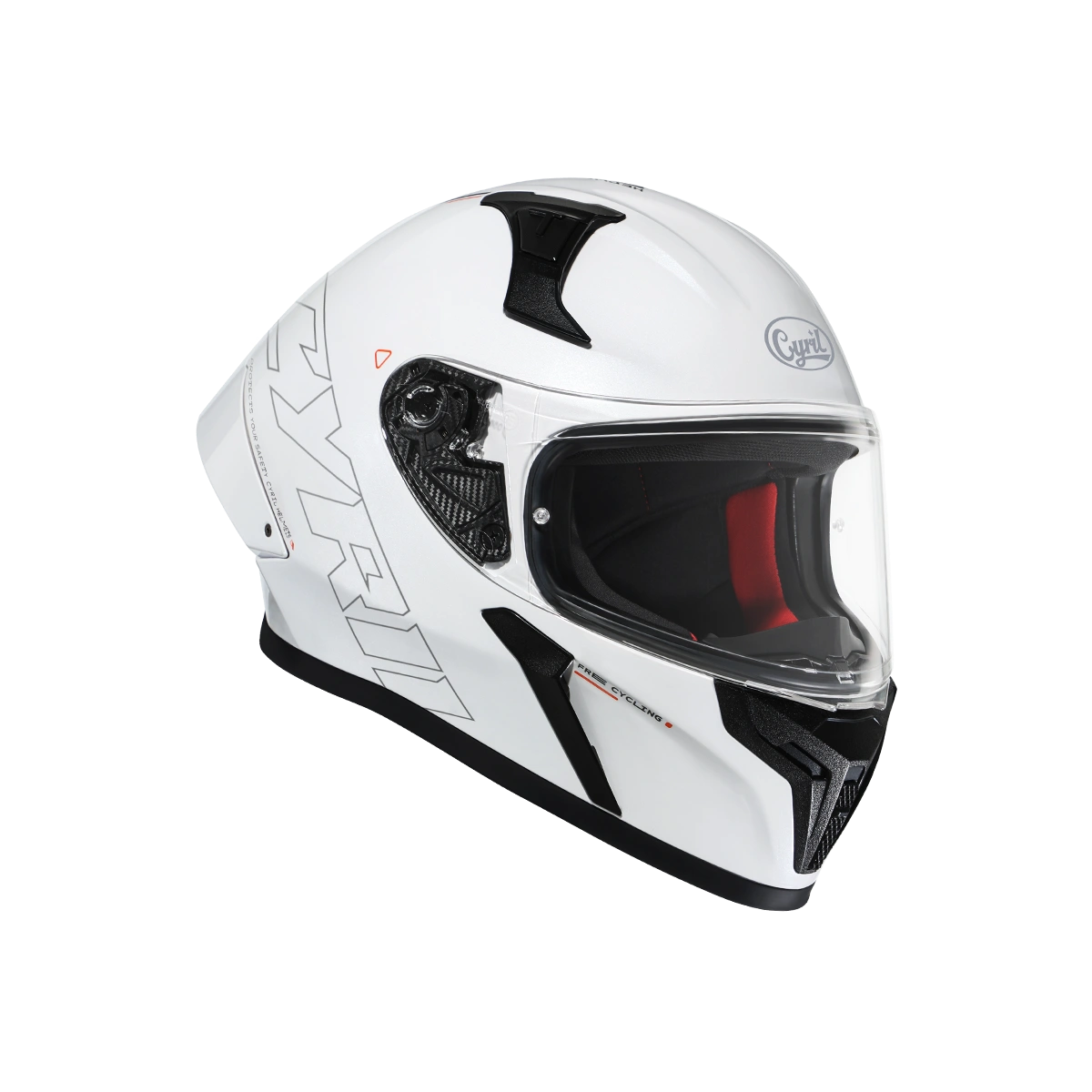
The Mad Shark is a full-face helmet with DOT / FMVSS 218 information, an ABS shell, multi-layer EPS, active ventilation, a clear visor view, and a removable washable liner. It gives daily riders a clear full-face option to evaluate over repeatable commute lengths before blaming fatigue on one ride.
View Mad Shark
Best for Longer Sport-Style Rides
The R1-PRO is a full-face helmet with DOT / FMVSS 218 and ECE 22.06 information, a sport-inspired profile, magnetic visor release, ventilation, a removable washable liner, and a stable full-face shell profile. Riders who feel fatigue at speed can use it as a candidate for testing posture, stability, and ventilation on longer routes.
View R1-PRO
Best for Riders Who Build in Breaks
The THUNDER is a dual visor modular helmet with flip-up convenience, a clear outer shield, an inner sun visor, wide-view comfort, a removable washable liner, and DOT / FMVSS 218 and ECE 22.06 information. Its modular format can suit riders who stop often, while the fatigue question still depends on closed-helmet stability and ride length.
View THUNDERCommon Questions About Why Does a Heavy Helmet Make My Neck Tired
Does helmet weight matter more on long rides?
Yes. Small load differences and wind forces become more noticeable after time. Track when fatigue starts instead of judging by a quick try-on.
Can wind make a helmet feel heavier?
Yes. Lift, buffeting, and crosswind can make your neck stabilize the helmet repeatedly, which can feel like extra weight.
Should I choose the lightest helmet possible?
Not automatically. Stability, fit, ventilation, visor function, and riding use matter too. A light helmet that shakes can still be tiring.
Can accessories increase neck fatigue?
They can. Cameras, mounts, Bluetooth units, or other add-ons may change balance or wind behavior. Compare rides with removable accessories off.
How do I test weight fatigue safely?
Use familiar roads, shorter ride blocks, and rest stops. Record speed, wind, duration, and when fatigue begins. Stop if discomfort becomes pain.
Is this the same as a fit pressure point?
No. Weight fatigue usually feels muscular and broad. A pressure point feels local, sharp, or numb in one helmet contact area.
Can a windshield change helmet fatigue?
Yes. A windshield can reduce clean wind or create turbulence depending on height and rider position. Note whether fatigue changes behind it.
When should I exchange the helmet?
Exchange becomes practical when the helmet repeatedly causes early fatigue, lift, shaking, or poor stability during the type of riding you actually do.
Final Notes
Heavy-helmet fatigue is a timing and stability question. Record ride length, speed, wind, accessories, and when your neck starts working harder. A better choice may involve fit, aerodynamics, ride habits, or accessory changes, not weight alone.