
Why Does My Helmet Feel Like It Pushes My Head Down?

Why Does My Helmet Feel Like It Pushes My Head Down?
A helmet that feels like it is pushing down is usually telling you where the load is concentrated. Before sizing up, separate crown hot spot, helmet position, strap pull, added layers, and riding posture so you do not trade pressure for movement.
Downward pressure usually comes from crown shape, liner contact, helmet position, strap angle, added hair layers, or posture. Broad, even contact can be normal in a new helmet. A single crown spot, numbness, lingering soreness, or pressure that makes you change posture is a reason to stop guessing and document the exact location before changing size.
This guide was built from publicly available helmet fit guidance, including NHTSA motorcycle helmet fit guidance, plus official Cyril product information. Before publication, it was checked for source-backed fit claims, verified product details, practical rider relevance, and no invented product weight, price, stock, size range, certification number, or safety promise.
The Short Answer
A helmet feels like it pushes your head down when the crown area is taking too much load, the shell sits low, the strap pulls the helmet downward, or your riding posture turns normal helmet weight into vertical pressure. The clue is location: the discomfort feels like compression from above, not side pressure or cheek squeeze.
Before calling the helmet too heavy, reset the helmet level and wear it for a timed indoor test. If the top of your head becomes the only contact point you notice, the crown shape or liner contact deserves closer attention.
Rider Persona: Noah - Crown Pressure Commute. This composite support scenario follows a rider whose 25-minute commute feels fine at first, then the crown pad starts feeling like a thumb pressing down. His side fit is stable, but the top contact is too concentrated. That distinction matters because sizing up may create movement without solving the shape mismatch.
Why This Problem Happens
Vertical pressure often comes from an uneven crown match. A helmet can measure correctly around the forehead but still have a crown contour that does not match your head. Instead of spreading contact across the upper liner, one ridge or pad area carries the load.
The NHTSA helmet guidance emphasizes snug fit and stability. For crown pressure, snug does not mean being pressed downward. A good fit should hold the helmet in place while distributing contact broadly enough that the top of your head is not the only thing you feel.
| Possible Cause | What It Feels Like | Best First Check |
|---|---|---|
| Position | Helmet sits too high, too low, or tilted | Reset the helmet level and fasten the strap before judging fit |
| Size | The helmet is too tight or too loose overall | Repeat the head measurement and compare it with the product size chart |
| Shape | Pressure appears in one clear zone while another zone feels loose | Compare round, intermediate oval, and longer oval head-shape signs |
| Liner | A seam, pad edge, washed liner, or replaced padding creates a hard point | Remove only removable parts as instructed and inspect for uneven placement |
| Riding setup | Collar, glasses, earplugs, speakers, or posture changes the contact point | Repeat the fit test with the exact gear you use while riding |
What to Check First
Put the helmet on without pushing down hard on the shell. Seat it level, fasten the strap, and notice whether the crown pressure appears immediately or only after time. Immediate sharp pressure suggests shape or liner contact. Delayed heaviness may involve posture, wind load, heat, or neck fatigue.
- Run a finger around the crown liner only where removable liner access allows; look for a seam, ridge, or folded fabric edge.
- Check whether the helmet is sitting low enough to press the top while leaving another area loose.
- Wear your normal hair, cap, or liner layer; small thickness changes can create crown pressure.
- Hold your normal riding posture for several minutes instead of judging only while standing upright.
- After removal, note whether the soreness is centered on the crown or spread across the neck and shoulders.
Rider Persona: Olivia - Top-of-Head Hot Spot. This composite rider notices crown pressure after 15 minutes indoors and a deeper ache after weekend rides. The repeatable top contact tells support more than a general complaint about tightness, because the cheeks and forehead are not the main problem.
Normal Fit or Warning Sign?
Normal top contact feels broad and boring. Warning-sign crown pressure feels like a single pad, ridge, or downward load that makes you lift the helmet at stops. If relief comes only from pulling the helmet upward, the fit is not settled.
Even Crown Contact
The upper liner touches broadly and stays comfortable through a timed indoor test.
Delayed Downward Ache
The helmet feels heavier after posture, heat, or wind load; retest with your real riding setup.
Single Crown Hot Spot
One spot on top becomes sore, numb, or tender even when the rest of the helmet feels acceptable.
A Practical Test Routine
Use the test to separate crown shape from riding fatigue. Keep the helmet clean and unmodified while you check where the load builds.
- Minute 0-5: mark whether crown pressure is immediate or absent.
- Minute 5-15: hold your usual riding posture and avoid lifting the helmet for relief.
- Minute 15-30: note whether discomfort stays at the crown or spreads into neck fatigue.
- After removal: touch the sore area gently and note whether one point is clearly tender.
- Before deciding: repeat once with your normal hair, liner layer, or communication gear.
How to Avoid the Same Problem Next Time
When choosing again, do not assume the next size up is the answer. A larger helmet may feel better on the crown but move on your head. Ask whether the pattern sounds like crown contour, liner placement, or size before guessing.
Tell support exactly where the pressure sits: center crown, front crown, rear crown, or one side. That detail is more useful than saying the helmet is heavy, because heaviness and crown mismatch lead to different decisions.
Rider Persona: Sofia - Return Window Decision. This composite rider wants to keep the helmet because the side fit is stable, but the crown spot keeps returning. Her best next step is not padding modification; it is documenting the exact crown location while exchange options are still open.
If the pressure is broad and fades during a timed indoor test, keep watching it. If the same top-of-head spot returns, creates numbness, or only improves when the helmet is loose, ask support about shape or exchange instead of modifying padding.
How to Apply This When Choosing
For a helmet that feels like it pushes down, product choice should start with fit testing, liner access, posture, and ride length. No product card can confirm crown shape for your head, but it can show what details are worth checking.
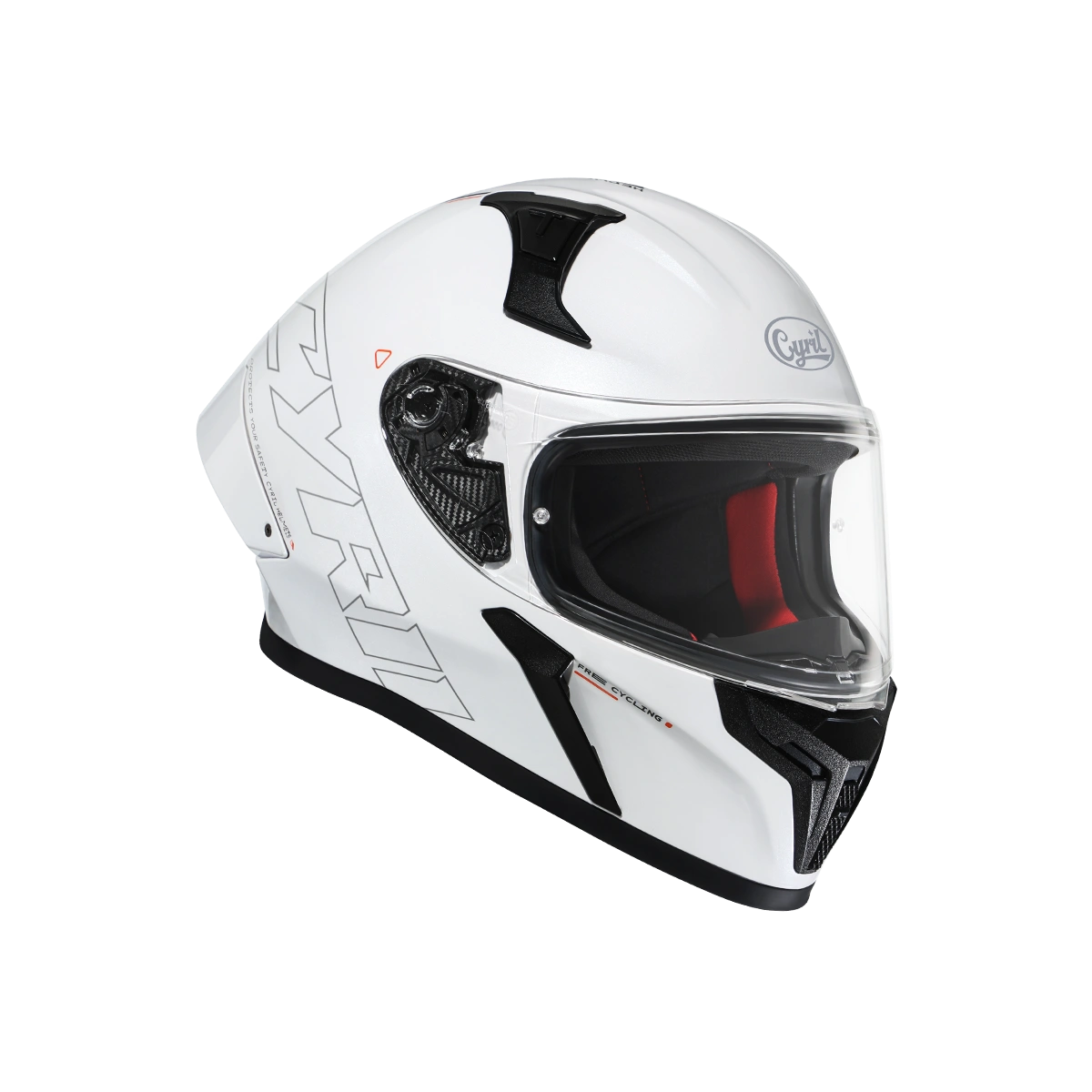
Best for Commuters Checking Crown Comfort
The Mad Shark is a full-face helmet with DOT / FMVSS 218 information, an ABS shell, multi-layer EPS, active ventilation, a clear visor view, and a removable washable liner. If crown pressure appears during short commutes, use the removable liner and indoor test routine to document where contact builds before deciding.
View Mad Shark
Best for Riders Testing Posture and Speed Feel
The R1-PRO is a full-face helmet with DOT / FMVSS 218 and ECE 22.06 information, a sport-inspired profile, magnetic visor release, ventilation, a removable washable liner, and a stable full-face shell profile. Consider it when you want to evaluate full-face stability, ventilation, and crown comfort during a sportier riding posture.
View R1-PRO
Best for Touring-Style Break Checks
The THUNDER is a dual visor modular helmet with flip-up convenience, a clear outer shield, an inner sun visor, wide-view comfort, a removable washable liner, and DOT / FMVSS 218 and ECE 22.06 information. Its modular convenience can help at stops, but crown comfort still needs to be judged with the helmet closed and fastened.
View THUNDERCommon Questions About Why Does My Helmet Feel Like It Pushes My Head Down
Is downward pressure the same as a heavy helmet?
No. Weight can add fatigue, but a single top-of-head pressure point usually points to crown fit, liner contact, or helmet position.
Will the crown area break in?
Broad, even snugness may soften slightly with use. A sharp crown ridge, numb spot, or repeated tenderness should not be treated as normal break-in.
Should I size up if the top hurts?
Not automatically. Sizing up can reduce crown pressure while creating movement. Check whether the rest of the helmet is already stable or loose before changing size.
Can hair or a skull cap cause this feeling?
Yes. Thick hair, a seam, or a cap can lift the helmet and concentrate pressure at the crown. Retest with your real riding setup.
What should I tell support?
Describe the exact crown location, when pressure begins, whether the helmet moves, and whether the issue changes with hair, cap, collar, or posture.
Can I press down the liner to make space?
No. Do not crush, heat, cut, or permanently modify helmet padding. Use only supported removable parts and ask support before changing pads.
Why does it feel worse after riding for a while?
Heat, posture, wind load, and small liner contact points can become more noticeable over time. That is why a timed test is more useful than a quick try-on.
When should I exchange or return it?
If the crown pressure repeats after correct positioning and normal gear testing, or if it creates numbness or lingering soreness, exchange or return is safer than forcing adaptation.
Final Notes
Downward helmet pressure is easiest to solve when you name the exact contact pattern. Separate crown shape, helmet position, riding posture, and weight fatigue before changing size. If the same crown spot returns after a clean indoor test, ask support before modifying padding or riding more.