
What Should I Do If My Helmet Causes Numbness?

What Should I Do If My Helmet Causes Numbness?
Numbness from a motorcycle helmet is not a minor inconvenience. It is a sign that pressure is interfering with nerve function or blood flow. This guide explains why numbness happens, where it typically occurs, and what you should do to fix it before it affects your safety or comfort.
Helmet numbness is caused by excessive pressure on nerves or blood vessels, usually at the forehead, temples, or cheeks. It indicates a helmet that is too tight, positioned incorrectly, or the wrong shape for your head. Numbness is never normal and should not be ignored. Adjust helmet position, check strap tension, or replace the helmet if numbness persists.
Numbness guidance needs a higher caution level, so this article was checked against NHTSA motorcycle helmet fit guidance, general rider training resources from MSF, MedlinePlus information on numbness and tingling, and official Cyril product information. The final edit treats numbness as a warning sign, not a diagnosis, and keeps product recommendations limited to fit testing and verified features.
Why Helmets Cause Numbness
Numbness or tingling means the helmet is putting too much sustained pressure on one area. MedlinePlus numbness and tingling guidance explains that these sensations can come from pressure on nerves or reduced circulation. In a helmet-fit context, the practical response is simple: stop treating the pressure as normal break-in and find the source.
The numbness is your warning sign. It may come from a helmet sitting too low, a strap pulling the shell into the wrong position, glasses arms adding temple pressure, or a shell shape that concentrates force on one point. Ignoring it also creates a riding problem: you may start loosening the strap or adjusting the helmet while moving.
NHTSA helmet fit guidance supports a snug, stable fit. Numbness means the fit has moved beyond useful snugness and needs correction before the next ride.
Rider Persona: Jake — Ignored the Warning. Jake felt tingling in his forehead after 30 minutes of riding. He assumed it was normal and kept wearing the helmet. After two weeks, the tingling became numbness that lasted an hour after each ride. By the time he addressed it, the pressure point had created a sore spot that took additional time to heal.
Where Numbness Typically Occurs
Numbness from a helmet usually appears in predictable locations. Each location points to a different cause.
| Location | What It Feels Like | Common Cause |
|---|---|---|
| Forehead | Tingling or numbness across the brow | Helmet too low, crown too shallow, or concentrated pressure across the forehead |
| Temples | Numbness at the sides of the head, sometimes radiating | Helmet too narrow or temple arms of glasses adding pressure |
| Cheeks | Numb or heavy feeling in the cheeks or jaw | Cheek pads too thick or helmet too small |
| Chin or jaw | Numbness along the jawline or lower face | Strap too tight or chin bar too close |
| Ears | Ears feel blocked or numb | Liner pressing on ear or helmet too low compressing ear tops |

Helmet Position and Numbness
A helmet that sits too low is one of the most common causes of forehead numbness. When the front edge drops below the eyebrow line, it puts repeated pressure across the brow area. That pressure can create a tingling or numb sensation that gets worse the longer you wear the helmet.
Correct helmet position places the front edge about one finger-width above the eyebrows. At this height, the helmet is less likely to dig into the forehead band. Use MSF rider training resources as general fit context and follow the fit instructions for your specific helmet.

Some riders push the helmet down intentionally, believing a lower position is more secure. In reality, a lower position concentrates pressure on sensitive areas and increases the risk of numbness.
Rider Persona: Sarah — Repositioning Fixed It. Sarah experienced forehead numbness during every commute. She checked her helmet position and found it sat half an inch below her eyebrows. Raising it to the correct height eliminated the numbness completely. The problem was not the helmet size — it was the helmet position.
Shape Mismatch and Nerve Pressure
A helmet with the wrong internal shape for your head concentrates pressure at the contact points. If your head is round and the helmet is long oval, the temples may take most of the pressure. If your head is long and the helmet is round, the forehead may take the force. In both cases, the practical symptom is the same: one area starts tingling or going numb while the rest of the helmet may feel acceptable.
Unlike general tightness, which break-in may relieve, shape-related numbness does not improve with time. The shell shape is fixed. The liner can only compress so much. If the shell does not match your head, the pressure point will persist.
Signs that shape mismatch is causing numbness:
- Numbness appears at one specific point, not around the entire head.
- There are gaps at the forehead or temples while other areas feel tight.
- The numbness starts within the first 10 to 15 minutes of every ride.
- Multiple sizes of the same model produce the same numbness.

Rider Persona: Mike — Shape Mismatch. Mike tried two sizes of the same helmet model. Both caused temple numbness within 15 minutes. The helmet was shaped longer than his head, so pressure concentrated at the sides instead of spreading evenly. He switched to a rounder-feeling model and the numbness disappeared during his next test wear.
Quick Checks to Find the Cause
- Check helmet position. Is the front edge one finger-width above your eyebrows?
- Check strap tension. Can you fit two fingers flat between the strap and your chin?
- Check pressure points. Where does numbness start first? Compare to the location table above.
- Remove glasses. If you wear glasses, try riding without them to see if temple arm pressure is the cause.
- Check for gaps. Feel around the interior while wearing the helmet. Gaps combined with numbness elsewhere indicate shape mismatch.
What to Do About Helmet Numbness
- Reposition the helmet. Raise it so your ears sit centered and the front edge is at the correct height.
- Loosen the strap. If the strap is pulling the helmet downward or compressing your jaw, adjust it.
- Remove glasses. If glasses temple arms are adding pressure, switch to thinner frames or contact lenses.
- Take breaks. If numbness appears after 30 minutes, stop safely, remove the helmet, and let the sensation settle before riding again.
- Return the helmet. If numbness persists after checking position and strap tension, the helmet is the wrong size or shape.

Numbness is a fit and attention issue. A rider who is thinking about tingling, pressure, or strap adjustment is not fully focused on traffic. Do not normalize it. Fix the cause or replace the helmet.
If numbness has been your problem, prioritize helmets with even pressure distribution and adequate interior width. Try the helmet on for at least 15 minutes and note any tingling or numbness. A helmet that causes numbness during a test ride will only get worse on the road.
Helmets Designed for Even Pressure
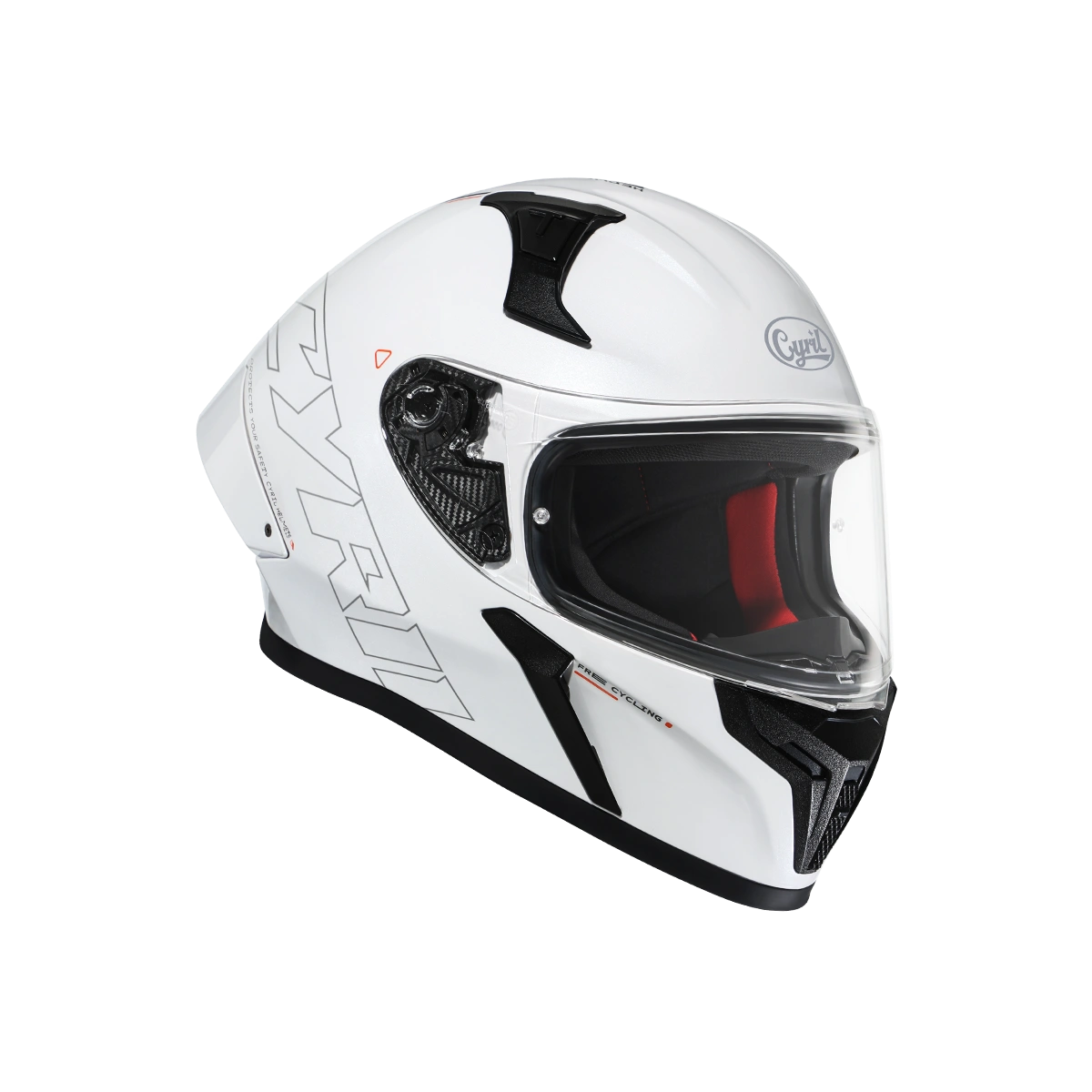
Best for Daily Commuters
For numbness concerns, start with a timed indoor test on the Mad Shark rather than waiting for a ride to expose the problem. It is a full-face helmet with DOT / FMVSS 218 information and a removable washable liner; note the first pressure location before contacting support or deciding to return.
View Mad Shark
Best for Sport Riders
The R1-PRO is a sport-profile full-face option with DOT / FMVSS 218 and ECE 22.06 information. Test it with your normal riding posture and glasses, if you wear them, because posture and accessories can reveal temple or forehead pressure quickly.
View R1-PRO
Best for Touring and Long Rides
For riders who notice symptoms later in a ride, the A128 gives a modular format with DOT / FMVSS 218 and ECE 22.06 information. The flip-up chin bar can make rest-stop checks easier, but numbness while the helmet is closed and fastened still means the fit should be reassessed.
View A128Common Questions About Helmet Numbness
Is numbness from a helmet dangerous?
Treat it as a warning sign. Numbness or tingling can happen when pressure affects nerves or circulation, and it also divides your attention while riding. Stop safely, remove the helmet, let the sensation settle, and correct the fit cause before your next ride.
Why does my forehead go numb in my helmet?
Forehead numbness is usually caused by the helmet sitting too low or by concentrated pressure across the brow. Raise the helmet so the front edge sits one finger-width above your eyebrows. If numbness persists, the crown or forehead shape may not match your head.
Can a tight chin strap cause numbness?
Yes. A strap that is too tight compresses the jaw and can cause numbness along the jawline and lower face. The strap should allow two fingers flat between it and your chin. It should sit against the throat, not the point of the chin.
Will numbness go away after break-in?
Only if the numbness is caused by slightly firm new liner foam. Numbness caused by a shape mismatch, excessive tightness, or incorrect position will not improve with break-in. If numbness appears within the first 15 minutes of every ride, the helmet is wrong for your head.
Should I stop riding if my helmet causes numbness?
Stop safely and remove the helmet as soon as numbness appears. Riding with numbness distracts you and may cause you to adjust the helmet or strap incorrectly while moving. Let the sensation settle before continuing, then address the root cause before your next ride.
Can glasses cause helmet numbness?
Yes. Glasses temple arms add a rigid layer between the helmet liner and your skull. At the temples, that extra bulk can create a pressure point. Try thinner frames, adjust temple arm position, or switch to contact lenses if glasses-related numbness persists.
What if numbness only happens on long rides?
Numbness that appears after 30 to 60 minutes suggests sustained pressure that builds over time. The helmet may be borderline tight or positioned slightly wrong. Check position, strap tension, glasses, and padding contact. Take breaks, but do not use breaks as a substitute for fixing the fit.
How do I test for numbness before buying a helmet?
Wear the helmet for 15 to 20 minutes before buying. Pay attention to any tingling or numbness, especially at the forehead, temples, or cheeks. Move your jaw, tilt your head, and simulate riding posture. Any numbness during the test will worsen on the road.
Final Notes
Numbness is your body telling you that something is wrong. Unlike mild pressure or temporary red marks, numbness is not a break-in milestone. Do not ride through it and do not wait for it to solve itself. Check helmet position, strap tension, glasses, and pressure points; if numbness persists, replace the helmet with a better-fitting model.