
Why Does My Helmet Hurt More on One Side?

Why Does My Helmet Hurt More on One Side?
A helmet that hurts more on one side is usually not "just tight." Common causes include a slightly crooked helmet position, a head shape that does not match the liner evenly, a folded cheek pad or comfort liner edge, glasses pressing into one temple, or riding gear pushing the shell from one side. The useful question is whether the pain follows the helmet, your gear, or your head shape.
If only the left or right side hurts, do not judge the helmet by size alone. Reset the helmet level, fasten the strap, remove variables one at a time, and repeat a 30-minute indoor test with your normal riding setup. Even pressure on both sides can be normal. Sharp one-sided pain, numbness, a hot spot that gets worse after 10-20 minutes, or any pressure that makes you loosen the strap means the helmet needs a closer fit check before you keep riding in it.
This guide uses NHTSA motorcycle helmet fit guidance for the fit principle that a helmet should be snug and stay in place, then applies that guidance to one-sided pressure checks, rider gear variables, and official Cyril product information. Before publication, the article was reviewed for fit-specific usefulness, verified product facts, clear limits, and no invented weight, price, stock, size range, certification number, or safety guarantee.
The Short Answer
A helmet usually hurts more on one side because pressure is not being shared evenly. That can happen even when the size label looks right. The shell may be rotated a few degrees when you put it on, your head may be wider or flatter on one side, the liner may be seated unevenly after washing, or one glasses arm may be trapped between your temple and the comfort padding.
The first mistake is trying to "ride through it" without knowing the trigger. One-sided pain is useful information because it points to a location. Mark whether the pain is at the left temple, right temple, cheekbone, ear pocket, jaw hinge, or back edge of the liner. Then repeat the fit check without changing everything at once.
Rider Persona: Olivia - Weekday Commuter. Olivia rides 25 minutes each way, five days a week. Her helmet felt fine in the mirror, but the right temple started aching before the end of the morning commute. The useful detail was timing: no pain in the first five minutes, clear pressure after 15 minutes, and relief when she removed her glasses before retesting indoors.
Why This Problem Happens
Helmet fit is a match between circumference, head shape, liner contact, and riding setup. Circumference gets you into the size range; head shape and liner contact decide whether pressure is shared evenly. Glasses, earplugs, hair, collar seams, or speakers can load one side more than the other.

The NHTSA helmet guidance says a motorcycle helmet should fit snugly and stay in place. That does not mean every liner contact feels identical, but it should not create one sharp point that causes numbness or makes you loosen the strap.
| Possible Cause | What It Feels Like | Best First Check |
|---|---|---|
| Helmet position | One brow, cheek, or ear feels loaded before the ride even starts | Put the helmet on again, pull both straps evenly, and confirm the eye port is level |
| Head shape mismatch | One temple or upper side becomes a hot spot while another area feels less supported | Compare the painful area with any loose area instead of only checking size label |
| Liner or cheek pad edge | Pain feels like a seam, ridge, fold, or hard line instead of broad pressure | Inspect removable liner pieces and cheek pads for uneven seating without reshaping or crushing them |
| Glasses or accessories | Pain follows the glasses arm, speaker, earplug, or hair bulk on one side | Retest for 10 minutes with that item removed, then again with it placed correctly |
| Collar or riding posture | Pain appears only when the jacket collar, hoodie, or head-check posture pushes the shell | Repeat the test in your real riding jacket and normal shoulder position |
What to Check First
Start by removing uncertainty, not by forcing the painful spot. Put the helmet on slowly, pull both chin straps outward and down evenly, settle the crown, then fasten the strap. Look in a mirror from the front. If the eye port is slightly tilted, the cheek pads are not sitting at the same height, or one ear folded during entry, you may have found the problem before blaming the helmet shape.

- Check whether the eye port is level before you decide the helmet is too small.
- Run one finger gently around the painful side to feel for a folded liner edge, cheek pad ridge, or glasses arm.
- Retest without glasses, earplugs, hair bulk, or collar pressure, but remove only one variable at a time.
- Turn your head gently. If the helmet shifts before your skin moves, looseness may be part of the problem.
- After removal, compare both sides. A deep one-sided mark is more useful than a vague "it hurts" note.
Rider Persona: Jake - Weekend Errand Rider. Jake rides 60-90 minutes on Saturdays and noticed left cheek pressure after repeated shoulder checks. His jacket collar nudged the helmet upward on one side, turning mild cheek contact into jaw-hinge pressure.
Normal Fit or Warning Sign?
Normal snugness feels firm and shared across the forehead, crown, cheeks, and sides. A warning sign feels narrow, one-sided, and increasingly distracting. The line is especially clear if you start changing your behavior: lifting the helmet at red lights, pulling one cheek pad away with your thumb, moving your glasses repeatedly, or loosening the strap to get through the ride.
Even Side Pressure
Both sides feel firm, cheek contact is similar, and the pressure stays stable during a 30-minute indoor test.
One-Side Hot Spot
One temple, cheekbone, or ear area gets sharper after 10-20 minutes, especially with glasses, hair, collar, or speakers.
Numbness or Strap Loosening
Numbness, lingering soreness, vision distraction, helmet movement, or strap loosening means the fit problem should not be ignored.
A Practical Test Routine
Use this test before removing tags, modifying anything, or assuming break-in will solve it. If the pain changes every time, look for setup variables. If the same point hurts every time, suspect shape or liner contact.

- Minute 0-5: wear the helmet level with the strap fastened and record any immediate sharp point.
- Minute 5-15: sit normally, then turn your head left and right as you would when checking traffic.
- Minute 15-30: add your normal glasses, earplugs, collar, or hair setup one at a time if they were removed earlier.
- After removal: check whether the left and right marks are similar, and whether any numbness remains.
- Final pass: repeat once in your riding jacket. A one-sided collar push often disappears in a T-shirt test.
How to Avoid the Same Problem Next Time
Do not jump straight to a different size. A larger size may reduce pressure but create movement; a smaller size may stabilize the shell but worsen a hot spot. Shape, glasses placement, liner seating, or collar setup may be the cleaner fix.

A useful support message includes your measurement, ordered size, pain location, timing, riding gear, and front/side photos with the helmet fastened. That helps separate size, shape, and setup issues.
Rider Persona: Ethan - Return Window Decision. Ethan had three days left before his return window closed. His left temple mark stayed visible after a 30-minute indoor test, so he sent photos, measurement, and timing to support before deciding whether to exchange.
How to Apply This When Choosing
Use the one-sided pain test before keeping a helmet. Product features cannot fix a shape mismatch, but liner access, ventilation, and helmet type can make testing easier.
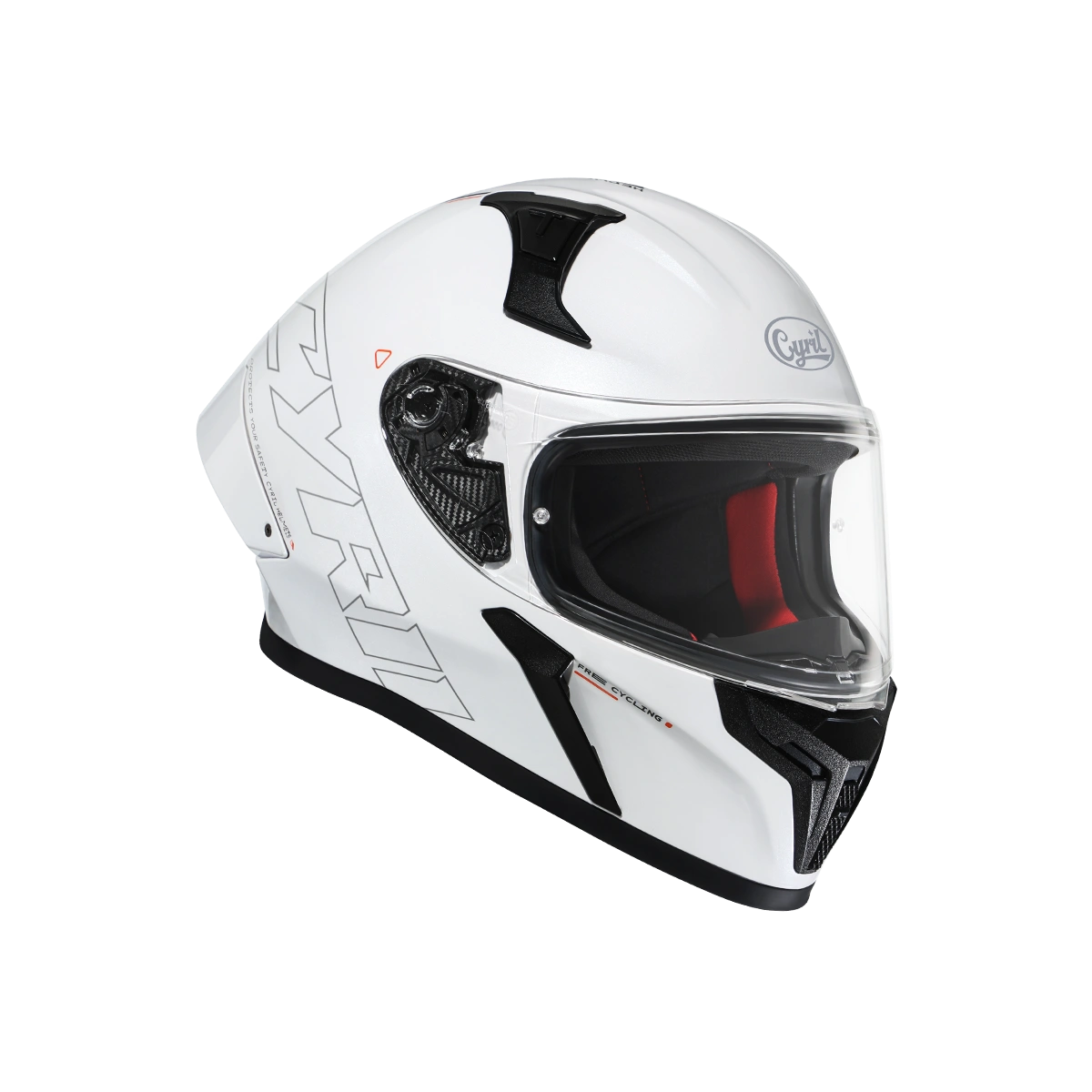
Best for Commuters Checking Liner Contact
The Mad Shark is a full-face helmet with DOT / FMVSS 218 information, active ventilation, a clear visor view, and a removable washable liner. For one-sided discomfort, inspect whether heat, sweat, or liner contact is involved.
View Mad Shark
Best for Riders Who Notice Pressure at Speed
The R1-PRO is a full-face helmet with DOT / FMVSS 218 and ECE 22.06 information, magnetic visor release, ventilation, and a stable full-face shell profile. Test it with head checks before blaming wind alone.
View R1-PRO
Best for Stop-and-Check Riding Days
The THUNDER is a dual visor modular helmet with flip-up convenience, dual visors, a removable washable liner, and DOT / FMVSS 218 and ECE 22.06 information. Inspect pressure at stops, but judge fit closed and fastened.
View THUNDERCommon Questions About One-Sided Helmet Pain
Is one-sided helmet pain normal during break-in?
Broad pressure can soften, but a sharp one-sided hot spot is different. Retest position, liner seating, glasses, and collar pressure before trusting break-in.
How do I know if the pain is from my head shape?
Shape mismatch is likely when one side has a hard pressure point while another area feels loose or unsupported. A simple size change may not solve that pattern.
Can glasses make only one side of a helmet hurt?
Yes. One glasses arm can sit higher or catch under the liner. Test without glasses, then add them back after the helmet is fully seated.
Should I size up if only one side hurts?
Not immediately. Sizing up can reduce a hot spot but create movement. First check position, strap pull, liner folds, and accessories.
What if the painful side leaves a red mark?
A deeper one-sided mark, especially with soreness or numbness, is worth documenting. Take front and side photos before it fades if you plan to ask support.
Can I permanently reshape the liner to fix one hot spot?
No. Do not heat, crush, carve, or permanently alter padding. Reseat removable parts if allowed, then contact support if pressure remains.
How long should I test before deciding?
Use a continuous 30-minute indoor test with the strap fastened and normal riding variables added one at a time.
What details should I send to customer support?
Send your measurement, ordered size, painful side, timing, glasses or collar variables, and front/side photos with the strap fastened.
Final Notes
One-sided helmet pain is worth taking seriously because it gives you a clear troubleshooting map. Start with helmet position, then check liner seating, glasses, collar pressure, and head-shape clues. If the pain repeats in the same place after a controlled 30-minute test, document it and contact support before guessing at a larger size or changing the padding.