
Should a Helmet Leave a Dent on My Forehead?

Should a Helmet Leave a Dent on My Forehead?
A helmet may leave a light forehead mark after a snug test wear, but it should not leave a deep dent, numb skin, a sore brow line, or a mark that stays obvious long after removal. The difference matters because a forehead dent often points to front-to-back shape mismatch, a helmet sitting too low, or brow padding that is concentrating pressure in one narrow strip.
A faint, even forehead mark that fades quickly can happen with a snug motorcycle helmet. A deep dent, sharp brow pressure, numbness, headache, or a mark that remains after the helmet is off is a warning sign. Use a 30-minute indoor test, check whether the helmet sits level, compare the forehead mark with cheek and crown pressure, and contact support before choosing a bigger size or altering padding.
This guide uses NHTSA motorcycle helmet fit guidance for the core rule that a helmet should fit snugly and stay in place, then applies that rule to brow pressure, forehead marks, and return-window fit checks. Product references were limited to official Cyril information, and the article was reviewed to avoid invented weight, price, stock, size range, certification numbers, medical claims, or safety guarantees.
The Short Answer
A light forehead mark is not automatically a problem. A good helmet often presses the skin enough to leave a temporary impression, especially around the brow pad. The problem begins when the mark is narrow, deep, painful, one-sided, or paired with numbness or headache. That pattern usually means the helmet is loading the forehead instead of spreading pressure across the crown, cheeks, and sides.
Do not judge the dent immediately after a hot ride when your skin is sweaty and irritated. Recreate the fit indoors, wear the helmet level for 30 minutes, and look at three things after removal: how deep the mark is, how quickly it fades, and whether your forehead feels sore or numb. A shallow mark that fades quickly is different from a pressure ridge that still hurts after the helmet is on the table.
Rider Persona: Ryan - Morning Commuter. Ryan rides 20 minutes each way and noticed a clean horizontal line across his forehead after every trip. The mark faded in five minutes and there was no soreness, headache, or movement. That pattern pointed toward normal snug brow contact, not an automatic return decision.
Why This Problem Happens
Forehead dents usually come from pressure concentration. The helmet may be the correct circumference but the wrong front-to-back shape. A rider with a longer oval head can feel a hard brow point in a helmet that is too round internally. A helmet that sits too low can push the brow pad into the forehead. A loose helmet can also slide forward and create a dent even though it feels roomy elsewhere.

The NHTSA helmet guidance emphasizes snug fit and stability. For a forehead mark, the practical test is whether the helmet stays level while pressure remains broad. A hard strip across the brow means the fit is not balanced.
| Forehead Mark Pattern | What It May Mean | Best First Check |
|---|---|---|
| Light even line | Normal snug brow contact may be possible | Check whether it fades quickly and has no soreness or numbness |
| Deep narrow groove | Focused brow pressure or wrong internal shape | Retest level position and compare crown and cheek contact |
| One-sided dent | Helmet may be tilted, liner may be uneven, or head shape may not match | Put the helmet on again using both straps evenly and inspect liner seating |
| Dent plus headache | Pressure may be too concentrated for safe comfort | Stop relying on break-in and document the timing before asking support |
| Dent after sliding forward | Helmet may be loose, sitting low, or strap setup may be wrong | Repeat a gentle shake and roll check with the strap fastened |
What to Check First
Start with helmet position. Many forehead dents look like a size problem but begin with the helmet sitting too low over the brow. Put the helmet on, pull both straps evenly, settle the crown, fasten the strap, and look straight ahead. The eye port should not force you to raise your eyebrows or tilt your head back to see clearly.

- Confirm that the helmet is level, not tipped forward onto the brow.
- Check whether the forehead pressure is a broad pad contact or one narrow hard ridge.
- Compare cheek fit. If the cheeks feel loose while the forehead hurts, the issue may be shape or sliding.
- Wear the same hair, head covering, or glasses you use on the motorcycle, then retest without them if needed.
- After 30 minutes, note whether the mark fades within a few minutes or stays sore and visible.
Rider Persona: Maya - Weekend Highway Rider. Maya rides 90 minutes on Saturdays and saw a deep center dent after the second fuel stop. The cheeks felt loose, but the brow felt sharp. That combination suggested the helmet was sliding forward under wind and posture, not simply that the whole helmet was too small.
Normal Fit or Warning Sign?
Normal fit should feel firm without making your forehead the only contact point. A warning sign gets worse with time, creates numbness, gives you a headache, changes your vision position, or makes you lift the helmet at stops. If the brow pressure is the only thing you can think about after 15 minutes, treat it as a fit problem, not a cosmetic skin mark.

Faint Temporary Mark
The line is light, even, not painful, and fades soon after a 30-minute fit test.
Pressure Ridge
The mark is narrow, centered or one-sided, and becomes more noticeable as the helmet stays on.
Dent With Symptoms
Soreness, numbness, headache, vision interference, or forward sliding means the fit should be reassessed before riding more.
A Practical Test Routine
Use a controlled test before deciding that a forehead dent is harmless or unacceptable. Keep the strap fastened for the full test, but do not overtighten it to pull the helmet down. You are checking natural helmet contact, not how much discomfort you can tolerate.

- Minute 0-5: confirm the helmet is level and your eyebrows are not being pushed down.
- Minute 5-15: look down, look up, and turn your head as you would in traffic.
- Minute 15-30: note whether brow pressure stabilizes or turns into a sharp ridge.
- After removal: take a quick photo of the mark and note how long it takes to fade.
- Second pass: retest with normal hair, glasses, or head covering if those change forehead contact.
How to Avoid the Same Problem Next Time
Do not solve every forehead mark by sizing up. A larger helmet may feel better on the brow in your living room, then slide forward on the road and create the same dent with more movement. A better decision comes from comparing all contact points: forehead, crown, cheeks, jaw, and back of head.
When asking support for help, send your measurement, size, wear time, a photo of the mark, and whether the cheeks or crown feel loose. That is more useful than saying "it dents my forehead."
Rider Persona: Lena - Online Return Decision. Lena was between sizes. The smaller helmet left a deep brow mark after 20 minutes, while the larger one moved during a shake check. Her photos made shape match the better question.
How to Apply This When Choosing
Use product features to support the fit decision, not to excuse a painful forehead dent. Liner access, ventilation, shell stability, and modular convenience do not replace correct size and shape.
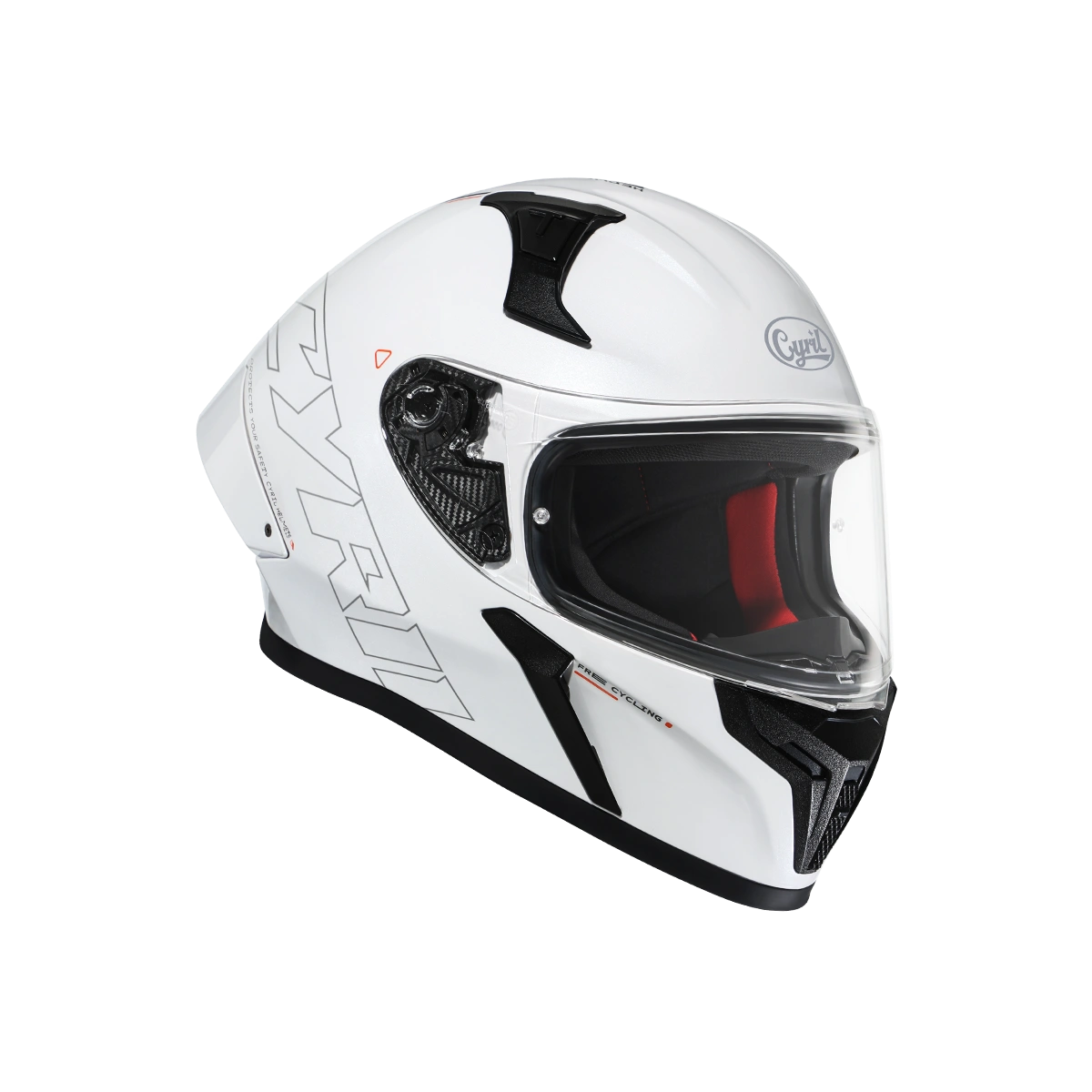
Best for Commuters Tracking Brow Comfort
The Mad Shark is a full-face helmet with DOT / FMVSS 218 information, active ventilation, a clear visor view, and a removable washable liner. Use those details to separate sweat irritation from true brow pressure.
View Mad Shark
Best for Riders Checking Forward Slide
The R1-PRO is a full-face helmet with DOT / FMVSS 218 and ECE 22.06 information, magnetic visor release, ventilation, and a stable full-face shell profile. If brow pressure appears after head checks, test for forward movement.
View R1-PRO
Best for Stop-and-Inspect Errands
The THUNDER is a dual visor modular helmet with flip-up convenience, dual visors, a removable washable liner, and DOT / FMVSS 218 and ECE 22.06 information. Judge forehead fit closed and fastened.
View THUNDERCommon Questions About Forehead Dents and Helmet Fit
Is a light forehead mark always a problem?
No. A light, even mark that fades quickly can be normal. It becomes a concern when it is deep, narrow, painful, one-sided, numb, or tied to headache.
How long should a helmet mark stay on my forehead?
There is no universal time, but it should fade quickly and feel normal. If it stays sore, numb, or obvious, document it and reassess fit.
Does a forehead dent mean the helmet is too small?
Sometimes, but not always. Wrong head shape or forward slide can create the same mark. Check cheek support, crown contact, and movement before sizing up.
Can helmet shape cause forehead pressure?
Yes. If your head is longer front to back than the helmet shape expects, the brow can take too much pressure while the sides feel acceptable.
Should I ride to see if the dent improves?
Use a 30-minute indoor test first. Riding adds heat, sweat, wind, and distraction, so it is not the cleanest fit test.
Can I adjust the forehead padding myself?
Do not heat, crush, carve, or permanently alter padding. Reseat removable liner parts if allowed, then ask support if brow pressure remains.
What photos help support judge a forehead dent?
Send front and side helmet photos, a photo of the mark after a 30-minute test, your measurement, size, and cheek or crown fit notes.
When should I exchange or return the helmet?
Exchange or return becomes practical when the dent is repeatable, painful, deep, or paired with numbness, headache, poor vision position, or movement.
Final Notes
A forehead dent is not automatically bad, but it should be shallow, temporary, and free of pain or numbness. If the mark is deep, repeatable, or tied to headache, forward slide, or loose cheek support, treat it as a fit signal. Recheck helmet position, run a 30-minute test, and ask support before changing size or modifying padding.