
How Do I Know If My Helmet Is Too Tight?

How Do I Know If My Helmet Is Too Tight?
A motorcycle helmet is too tight when snug pressure turns into sharp pain, numbness, headache, jaw strain, deep lingering marks, or a constant urge to pull the helmet off. A new helmet should feel firm, but it should not make you loosen the strap, change your posture, or hope the ride ends quickly. Use a 30-minute indoor test before deciding whether the issue is normal snugness, break-in, head shape, or the wrong size.
Too tight does not mean "firm." A correct helmet should be snug enough to stay in place, but pressure should be broad and tolerable. Warning signs include sharp forehead or temple pain, numb cheeks or ears, jaw fatigue, deep marks that linger, headaches during a short test, or any feeling that makes you loosen the strap. Check position, measure again, test for 30 minutes indoors, and compare pressure across the forehead, crown, cheeks, ears, and jaw.
This guide uses NHTSA motorcycle helmet fit guidance for the principle that a helmet should fit snugly and stay in place, then applies that principle to tightness symptoms, indoor fit testing, and return-window decisions. Product references use official Cyril information only, and the article was checked for no invented weight, price, stock, size range, certification number, medical claim, or safety guarantee.
The Short Answer
A helmet is too tight when the pressure changes how you wear it. If you loosen the chin strap for relief, push the shell up at every stop, remove your glasses, avoid moving your jaw, or feel numbness after a short test, the helmet is no longer just snug. The fit is asking you to compromise the way the helmet is supposed to be worn.

Do not judge tightness in the first 30 seconds. New cheek pads can feel firm, but the pattern over time matters: where pressure appears, whether it sharpens, and whether symptoms repeat after the helmet is worn level.
Rider Persona: Daniel - New Helmet Commute. Daniel rides 25 minutes each way and expected a new helmet to feel tighter than his old one. The cheeks felt firm at first, which was acceptable. The problem was a temple hot spot that became sharp after 12 minutes and did not fade after repositioning. That timing made the issue more than normal new-pad snugness.
Why This Problem Happens
Tightness can come from four different problems: the helmet is one size too small, the internal shape is wrong for your head, the helmet is sitting incorrectly, or gear inside the helmet is taking up space. Those problems feel different. A too-small helmet often feels compressed everywhere. A shape mismatch often creates a sharp spot at the forehead, temples, crown, or jaw. Accessories create pressure only when glasses, speakers, earplugs, hair, or a liner cap are present.

The NHTSA helmet guidance emphasizes snug fit and stability. The helmet should move with your head without sliding, but that does not mean accepting pain, numbness, or strap-loosening pressure.
| Too-Tight Pattern | What It Usually Means | Best First Check |
|---|---|---|
| Firm cheeks only | May be normal new-helmet snugness if there is no pain or numbness | Talk normally, check for cheek movement, and retest for 30 minutes |
| Sharp forehead or temple point | Shape mismatch or pressure concentration | Compare the hot spot with crown and cheek contact before sizing up |
| All-around compression | Helmet may be too small or hair/head covering may be adding bulk | Measure again and retest without extra layers or thick hair bulk |
| Ear or glasses pain | Accessory placement or ear-pocket conflict | Retest without glasses or earplugs, then add them back carefully |
| Jaw or chin-bar strain | Cheek pad, shell shape, or helmet position may be wrong | Check whether you can relax your jaw without biting your cheeks |
What to Check First
Start with setup before changing size. Put the helmet on level, fasten the strap, and check whether the eye port sits naturally. Then remove variables one at a time: thick hair, a beanie, glasses, earplugs, or speakers.
- Check whether pressure is broad or sharp. Broad is more acceptable than one hard point.
- Open and close your mouth gently. Cheek pressure is normal; jaw pain or cheek biting is not.
- Look for numbness at the forehead, temples, cheeks, ears, or jaw after 10-30 minutes.
- Retest without glasses, earplugs, speakers, or a thick head covering if those are part of the setup.
- Do not judge tightness by cheek squeeze alone; compare it with helmet movement and hot spots.
Rider Persona: Sarah - Glasses and Cheek Fit. Sarah rides 90 minutes on Saturdays and thought the helmet was too small because her cheeks were squeezed. During the test, the cheeks felt firm but stable, while the real problem was the glasses arm pressing one temple. Sizing up would have made the shell move without solving the glasses pressure.
Normal Fit or Warning Sign?
Normal fit feels firm, even, and controlled. Warning-sign tightness gets sharper with time, creates symptoms, or makes you use the helmet incorrectly. If you loosen the strap after 20 minutes, the problem is no longer just comfort; it is interfering with the way the helmet is meant to be worn.
Firm, Even Contact
Cheeks and crown feel snug, the helmet moves with your skin, and pressure does not sharpen during a 30-minute test.
Late-Starting Hot Spot
A temple, brow, crown, ear, or jaw point becomes distracting after 10-20 minutes, especially with gear added.
Numbness or Strap Changes
Numbness, headache, jaw pain, deep marks, or loosening the strap means the fit needs support, exchange, or return review.
A Practical Test Routine
Use this routine before riding outside or removing return-protection items. Tightness may settle into stable snugness or turn into a repeatable pain point; you need to know which.

- Minute 0-5: confirm the helmet is level, strap is fastened, and pressure is not instantly sharp.
- Minute 5-15: talk, swallow, turn your head, and note whether cheeks, jaw, or temples become painful.
- Minute 15-30: add normal glasses, earplugs, or hair setup if you removed them for the first pass.
- After removal: check red marks, numbness, soreness, and how long the skin takes to feel normal.
- Before deciding: compare the result with movement checks. Too tight and too loose can both feel wrong in different ways.
How to Avoid the Same Problem Next Time
A common mistake is sizing up too quickly. A larger helmet may remove pressure indoors but slide during riding. If the problem is one hot spot, shape or accessory placement may matter more than circumference.

Send support your head measurement, ordered size, pressure locations, timing, normal riding gear, and photos from the front and side with the strap fastened. Ask whether the pattern sounds like size, shape, cheek pad pressure, or accessory interference. That is a better question than "Should I go bigger?"
Rider Persona: Olivia - Between Sizes. Olivia ordered the smaller size. After 18 minutes her forehead and jaw both hurt, even without glasses or extra layers, so she documented the test and asked support about exchanging.
How to Apply This When Choosing
Use these products as fit-check starting points, not shortcuts around tightness. The right helmet still has to pass the indoor test without sharp pressure or numbness.
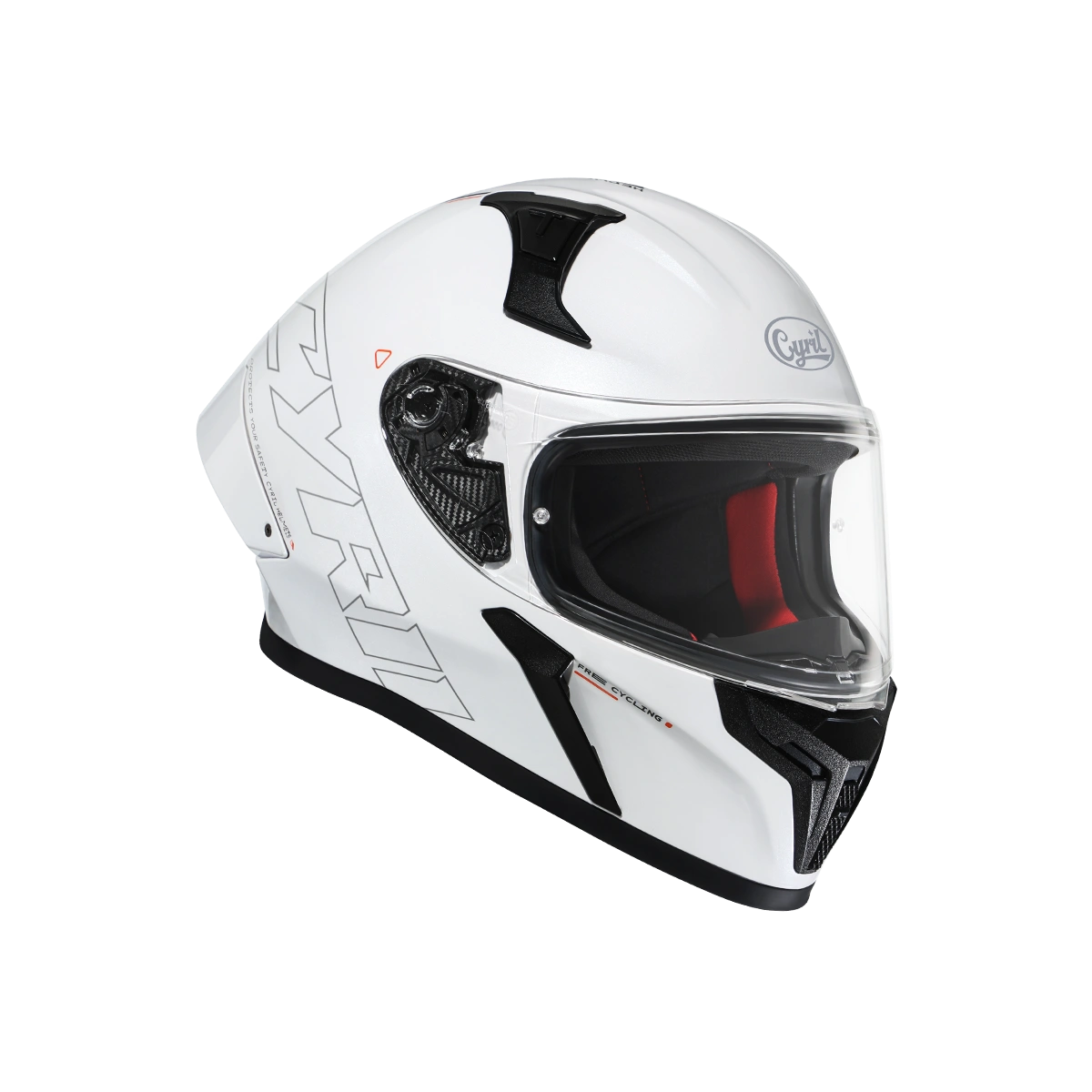
Best for Daily Snugness Checks
The Mad Shark is a full-face helmet with DOT / FMVSS 218 information, active ventilation, a clear visor view, and a removable washable liner. Use the liner and ventilation details to separate heat from true tightness.
View Mad Shark
Best for Sport-Profile Fit Testing
The R1-PRO is a full-face helmet with DOT / FMVSS 218 and ECE 22.06 information, magnetic visor release, ventilation, and a stable full-face shell profile. Test it with normal gear before judging tightness.
View R1-PRO
Best for Modular Comfort Checks
The THUNDER is a dual visor modular helmet with flip-up convenience, dual visors, a removable washable liner, and DOT / FMVSS 218 and ECE 22.06 information. Judge tightness closed and fastened.
View THUNDERCommon Questions About Tight Helmet Fit
Should a new helmet feel tight at first?
It can feel firm, especially at the cheeks, but it should not cause sharp pain, numbness, headache, jaw strain, or deep lingering marks.
How tight should cheek pads feel?
Cheek pads should press enough for stability without cheek biting, jaw locking, or numbness. Cheek pressure alone is not the same as too small.
Is forehead pressure a sign the helmet is too tight?
It can be, but it can also mean the head shape is wrong. A sharp forehead ridge, headache, or sore mark needs a fit check.
Should I size up if the helmet hurts?
Not automatically. Sizing up can remove pressure but create movement. Identify whether the pain is compression, a hot spot, glasses pressure, ear-pocket conflict, or jaw strain.
How long should I wear it indoors before deciding?
Use 30 continuous minutes with the strap fastened, normal posture, and normal glasses or earplugs if you use them.
Can a helmet be too tight even if it does not move?
Yes. Stability is only one part of fit. A helmet can stay in place and still create sharp pressure, numbness, or jaw pain.
Can I modify the padding to make it less tight?
Do not heat, crush, carve, or permanently alter padding. Reseat removable parts if allowed, then contact support if pressure remains.
When should I exchange or return a tight helmet?
Exchange or return becomes practical when tightness repeats after correct positioning, normal gear testing, and a 30-minute indoor test.
Final Notes
A helmet should feel snug, not punishing. Use time, location, symptoms, and repeatability to separate normal new-helmet firmness from a poor fit. If the pressure becomes sharp, numb, headache-inducing, or strong enough that you loosen the strap, document the pattern and ask support before riding more or changing padding.