
How Do I Know If My Helmet Is Too Loose?

How Do I Know If My Helmet Is Too Loose?
A helmet is too loose when the shell slides, rotates, lifts, drops over your eyes, or moves a moment after your head moves. Extra space may feel comfortable in the living room, but correct fit needs stable contact at the crown, cheeks, sides, and strap. If tightening the chin strap is the only thing keeping the helmet in place, the helmet is not fitting correctly.
A loose helmet usually reveals itself through movement: it slides forward when you look down, rotates when you shake your head, lifts when you pull up from the rear, drops toward your eyes, or feels stable only after the strap is overtightened. A helmet should be snug and stable before the strap does all the work. Use a 30-minute indoor test, cheek-fit check, gentle shake check, and roll-off check before keeping it.
This guide uses NHTSA motorcycle helmet fit guidance for the principle that a helmet should fit snugly and stay in place, then applies that guidance to movement checks, strap behavior, and return-window decisions. Product references use official Cyril information only, and the article was checked for no invented weight, price, stock, size range, certification number, or safety promise.
The Short Answer
A helmet is too loose when it moves independently from your head. If your head turns first and the helmet follows late, if the cheek pads barely touch, if the helmet drops over your eyes when you look down, or if the rear can lift noticeably during a roll check, the fit is not just comfortable. It is unstable.
The hard part is that a loose helmet often feels pleasant at first. There is no forehead pressure, no cheek squeeze, and no struggle putting it on. That comfort can be misleading. A correct helmet should feel secure with broad contact before speed, wind, sweat, and liner break-in make movement more obvious.
Rider Persona: Sofia - New Commuter. Sofia rides 25 minutes each way and chose the size that felt easiest to put on. Indoors, the helmet felt comfortable. During a gentle shake check, her cheeks stayed still while the shell rotated slightly. That told her the comfort was coming from extra space, not correct fit.
Why This Problem Happens
Loose fit can come from a size that is too large, a shell shape that does not match your head, cheek pads that do not contact enough, hair or a liner cap changing the first test, or an old helmet whose padding has compressed over time. A chin strap can reduce lift, but it cannot fill empty space around the crown, cheeks, and sides.
The NHTSA helmet guidance emphasizes that a helmet should fit snugly and stay in place. In practical terms, the helmet should move with your skin when you turn your head. If the shell slides over your hair or face instead, it deserves a closer fit check.
| Loose-Fit Sign | What It May Mean | Best First Check |
|---|---|---|
| Helmet rotates left or right | Side or cheek contact may be too loose | Hold the chin bar gently and turn side to side; your skin should move with the liner |
| Helmet slides forward | Size may be large, strap angle may be wrong, or crown contact may be weak | Look down with the strap fastened and see whether the eye port drops |
| Rear lifts during roll check | Helmet may not be seated or may be too large | Fasten the strap and gently test upward movement from the rear lower edge |
| Cheeks barely touch | Cheek pads may not stabilize the lower helmet | Talk and move your jaw; the pads should contact without leaving empty gaps |
| Strap must be overtightened | The strap is compensating for a poor shell or liner fit | Reset the strap to a normal snug setting and repeat movement checks |
What to Check First
Start by seating the helmet correctly. Put it on level, pull both straps evenly, and fasten the chin strap to normal snug tension. If it already shifts indoors, do not assume liner break-in will make it more stable.

- Shake your head gently left and right. The helmet should move with your skin, not slide over it.
- Look down. The helmet should not drop over your eyes or push the brow line lower.
- Try a gentle rear lift or roll check with the strap fastened. Excessive lift is a warning sign.
- Check cheek contact. If the cheek pads barely touch, the lower helmet may not be stabilized.
- Repeat once with normal hair, glasses, or head covering so you are testing your real riding setup.
Rider Persona: Ethan - Weekend Highway Test. Ethan rides 90 minutes on Saturdays and only noticed looseness above city speeds. Indoors, the helmet felt easy and pleasant. On the highway, it lifted slightly when he checked mirrors and settled lower over his eyes afterward. That pattern pointed to movement that a tighter strap alone could not fix.
Normal Fit or Warning Sign?
Normal fit feels secure without needing the strap to do all the work. Warning-sign looseness feels comfortable at first but becomes distracting when you turn your head, look down, ride into wind, or brake. The helmet should not lag behind your head or require constant repositioning.

Skin Moves With Liner
When you turn the helmet gently, your cheeks and scalp move with it instead of the shell sliding freely.
Small But Repeatable Shift
The helmet drops, rotates, or lifts a little during every test, especially when looking down or turning quickly.
Movement After Strap Tightening
If the helmet still moves after the strap is correctly fastened, size or shape needs support review.
A Practical Test Routine
Use a movement test before riding outside or removing return-protection items. You are checking whether normal head movement and strap tension reveal empty space.

- Minute 0-5: seat the helmet level and fasten the strap to normal snug tension.
- Minute 5-10: turn your head left and right, then stop quickly; the helmet should not keep moving.
- Minute 10-15: look down and up; the eye port should stay in a stable position.
- Minute 15-25: hold a riding posture and repeat gentle mirror-check movements.
- Minute 25-30: remove the helmet and note whether it came off too easily or left no meaningful contact marks at all.
How to Avoid the Same Problem Next Time
Do not fix looseness by overtightening the strap or adding random padding. The strap secures the helmet; it is not meant to make an oversized shell fit. If the crown or cheeks are loose, a different size or shape may be needed.

Ask support with specifics: your measurement, ordered size, where the helmet moves, whether cheek pads touch, whether the rear lifts, and whether movement remains with the strap fastened. Front and side photos help support see whether the helmet sits too high, too low, or too far forward.
Rider Persona: Ryan - Return Window Decision. Ryan was tempted to keep a loose helmet because it felt comfortable and looked good in photos. During the indoor test, it rotated before his cheeks moved and lifted at the rear. He documented the movement before riding outside, which kept the exchange discussion focused and cleaner.
How to Apply This When Choosing
Use product details to plan a fit test, not to excuse movement. A helmet that slides, rotates, or lifts still needs support review.
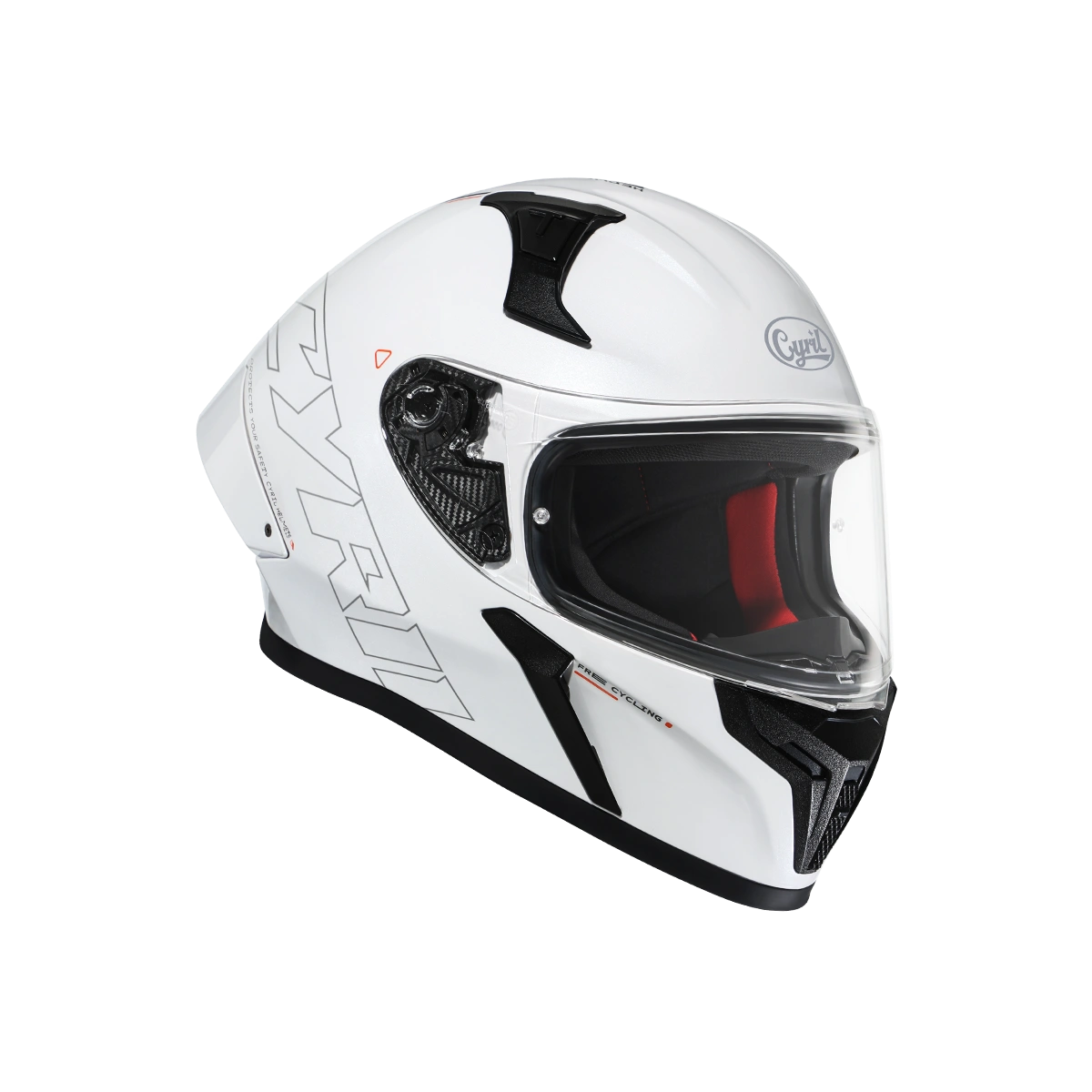
Best for Daily Movement Checks
The Mad Shark is a full-face helmet with DOT / FMVSS 218 information, active ventilation, a clear visor view, and a removable washable liner. Use liner access to check fit, seating, or post-wash changes.
View Mad Shark
Best for Stability-Focused Fit Tests
The R1-PRO is a full-face helmet with DOT / FMVSS 218 and ECE 22.06 information, magnetic visor release, ventilation, and a stable full-face shell profile. Test lift or rotation with normal posture and strap tension.
View R1-PRO
Best for Modular Fit Confirmation
The THUNDER is a dual visor modular helmet with flip-up convenience, dual visors, a removable washable liner, and DOT / FMVSS 218 and ECE 22.06 information. Judge looseness closed, fastened, and seated level.
View THUNDERCommon Questions About Loose Helmet Fit
How much helmet movement is too much?
If the helmet slides over your skin, rotates after your head stops, drops toward your eyes, or lifts at the rear with the strap fastened, treat it as too much.
Can tightening the chin strap fix a loose helmet?
No, not by itself. The strap secures a helmet that already fits; it cannot make an oversized shell fit correctly.
Should cheek pads touch my face?
Yes. Cheek pads should make stable contact without pain. If they barely touch, the helmet can rotate or lift more easily.
Can a helmet become too loose after break-in?
Yes. Padding can compress with use, so a borderline-loose new helmet may become clearly loose later.
Is a loose helmet safer because it is more comfortable?
No. Extra space is not correct fit. A loose helmet can distract you, move over your eyes, lift in wind, or make you overtighten the strap.
What is a simple roll-off check at home?
With the strap fastened, gently lift the rear lower edge upward and forward. If it lifts excessively, ask support before riding.
Should I size down if the helmet moves slightly?
Maybe, but check shape and setup first. A smaller size can solve movement but create pressure points if the shape is wrong.
When should I exchange or return a loose helmet?
Exchange or return becomes practical when movement repeats after correct positioning, strap fastening, and normal gear testing.
Final Notes
A loose helmet can feel comfortable before it becomes a riding problem. Focus on movement, not just pressure. If the helmet slides, rotates, lifts, drops over your eyes, or needs an overtight strap to feel secure, document the pattern and ask support before riding more or keeping the size.