
Why Does My Helmet Only Hurt After I Start Riding?

Why Does My Helmet Only Hurt After I Start Riding?
The helmet feels fine when you put it on, but twenty minutes into the ride the pressure starts. By the time you reach your destination, you cannot wait to take it off. This delayed pain is common, and it usually has a specific cause you can identify and fix.
Helmet pain that starts after you begin riding is usually caused by a combination of heat buildup, sweat softening the liner, muscle fatigue changing your posture, and the helmet settling into its final position. A helmet that feels okay for five minutes may reveal its true fit after twenty. The key is to do a 30-minute continuous wear test before deciding the helmet is comfortable. If pain appears during that test, the helmet is either slightly too small, the wrong shape, or sitting in a position that creates pressure only when your head is in riding posture.
This guide is based on NHTSA helmet fit guidance, the public FMVSS 218 motorcycle helmet standard, and official Cyril product pages. Before publication, the article was checked for practical rider relevance, verified product information, and clear separation between fit troubleshooting, rider fatigue, and medical claims.
Why the Delay?
When you first put a helmet on, the liner is cool and firm. Your skin is dry. Your muscles are relaxed. The helmet sits where you placed it. None of the conditions that create riding pain are present yet. It is only after you have been riding for a while that the real test begins.
Several things happen during a ride that do not happen during a quick try-on: your head heats up, sweat softens the liner foam, the helmet shifts slightly as you look around and react to traffic, your neck and shoulder muscles tire and change your posture, and the constant vibration from the road transmits through the helmet to your skin. Any of these can turn a helmet that felt fine into one that hurts.
Rider Persona: Carlos — City Commuter. Carlos puts his helmet on at home, walks to his bike, and everything feels good. Ten minutes into his commute, he notices pressure on his forehead. By minute twenty, he is adjusting the helmet at every stoplight. The problem was not the helmet itself—it was sitting slightly too low, and the brow band pressed harder as sweat made his skin softer.
Heat, Sweat, and Liner Compression
Your head generates heat. A helmet traps some of it. As you warm up and begin to sweat, the contact between skin, hair, liner, and shell changes. What felt like a firm hold at minute five can feel sharper at minute twenty-five because the same pressure is now happening in a hotter, damper, more sensitive environment.
Sweat also changes friction. A dry helmet liner grips your skin and stays in place. A damp liner can slide slightly with head movement, creating small rub points that irritate the skin. This is why some riders notice discomfort more on hot days or during hard rides, even with a helmet that feels fine in cool weather.
The liner itself is designed to compress over time. During the first few rides, the foam cells collapse where pressure is highest. If the helmet is the right size and shape, this compression creates a custom fit that gets more comfortable. If the helmet is slightly too small or the wrong shape, the compression concentrates at pressure points and makes them worse.
| Time Into Ride | What Happens | How It Affects Fit |
|---|---|---|
| 0-5 minutes | Helmet is cool, liner is firm, skin is dry | Initial fit feels accurate but not yet tested |
| 5-15 minutes | Head warms, slight sweat begins, liner starts to soften | Pressure points may start to emerge; first adjustments appear |
| 15-30 minutes | Sweat increases, liner is damp, skin is softer and more sensitive | True fit is revealed; pain at pressure points becomes clear |
| 30+ minutes | Liner has compressed significantly, neck muscles may be fatigued | Comfort or discomfort is now definitive; break-in will not fix a bad fit |
Posture Changes and Muscle Fatigue
Riding posture is different from standing posture. On a motorcycle, your head is tilted slightly forward, your neck is extended, and your shoulders are raised. These small changes shift how the helmet sits on your head.
A helmet that felt balanced when you were standing may press harder on the forehead when you are leaning forward into the wind. A helmet that felt snug at the crown may shift and create pressure at the back when your neck tires and your head drops slightly. As your neck and shoulder muscles fatigue during a long ride, you may unconsciously change your head position to compensate, which changes where the helmet presses.
Rider Persona: Sarah — Weekend Canyon Rider. Sarah rides for two to three hours on Saturdays. Her helmet feels fine for the first hour. Around the ninety-minute mark, her neck starts to tire and her head drops slightly forward. The helmet, which had been sitting perfectly, now presses on her forehead. She realized the helmet was not too tight—it was her posture changing. A quick break and neck stretch reset her position and the pressure disappeared.
When the Helmet Is Actually Too Tight
Sometimes delayed pain means the first try-on was too short. A helmet that is slightly too small may feel acceptable for a few minutes because your skin is still dry and the liner has not shifted. After twenty minutes of heat, sweat, and pressure, the same fit problem becomes much easier to feel.
- The pain starts gradually and gets worse, not better, as the ride continues.
- The pressure is at the same spot every ride, regardless of temperature or road conditions.
- You find yourself adjusting the helmet or loosening the strap to get relief.
- Red marks last more than 30 minutes after removing the helmet.
- The pain is sharp or focused, not a general snugness.
If these signs match your experience, the helmet is too tight or the wrong shape. Break-in will not fix it. The 30-minute test is the simplest way to confirm: wear the helmet at home for 30 minutes while doing normal activities. If the pain appears before the time is up, the fit is wrong.
Rider Persona: Mike — Daily Commuter. Mike told himself his new helmet just needed to break in. For two weeks, he endured forehead pain that started at minute fifteen and peaked at minute thirty. He finally did the 30-minute test at home and confirmed the pressure was still there without even riding. The helmet was one size too small. The replacement, same model one size up, caused no pain at all.
Quick Fixes to Try
If your helmet only hurts after you start riding, try these adjustments before deciding to return it:
Check Helmet Height
A helmet sitting too low presses the brow band into your forehead when you lean forward. Slide it up slightly so the brow band sits one finger-width above your eyebrows.
Adjust Strap Angle
The chin strap should pull the helmet down and back. If it is too far forward, it can push the helmet into your forehead as you ride. Adjust the D-rings to form a V under each ear.
Open the Vents
Heat and sweat amplify pressure. Opening the helmet vents reduces heat buildup and keeps the liner firmer, which can reduce how much pressure you feel during the ride.
Take Short Breaks
On rides over 45 minutes, stop for a few minutes to remove the helmet, dry your forehead, and let the liner air out. This resets the heat and sweat cycle.
Check Your Riding Posture
If the pain starts after your neck tires, the issue may be posture, not the helmet. Strengthen your neck and shoulder muscles, and take posture breaks on long rides.
Do the 30-Minute Test
Wear the helmet at home for 30 minutes while walking, sitting, and moving your head. If the pain appears, the helmet is the wrong fit. If not, riding posture or heat may be the cause.
If the pressure starts after you have been riding for a while, do the 30-minute test at home. If the pain shows up there too, the helmet is the wrong size or shape. If it only happens while riding, check your helmet position, strap angle, and riding posture.
Helmets for Comfortable Long Rides
If delayed pain is your main concern, evaluate ventilation, liner cleaning, posture, and fit under a realistic 30-minute test. No product feature can rescue the wrong internal shape, but the right features make diagnosis easier. Here are three Cyril options to compare by ride pattern.
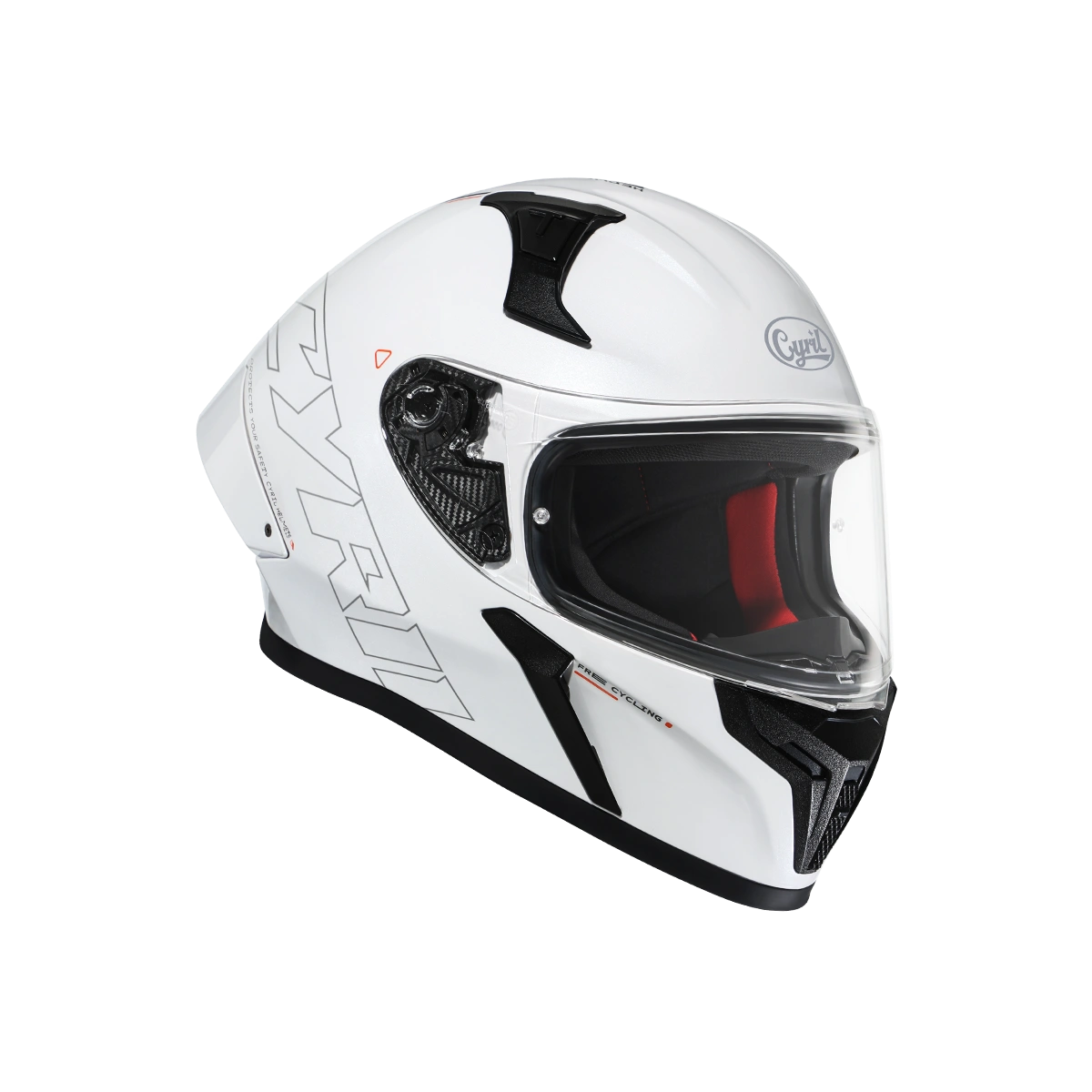
Best for Heat-Triggered Commute Pain
The Mad Shark features active ventilation and a removable washable liner. It is worth comparing if pain appears after a warm commute rather than immediately at home, because heat management and liner cleaning become part of the diagnosis.
View Mad Shark
Best for Posture-Sensitive Riders
The R1-PRO has a sport-inspired profile with DOT / FMVSS 218 and ECE 22.06 information. Riders who lean forward should test whether the helmet stays evenly supported when posture changes, instead of judging comfort only while standing upright indoors.
View R1-PRO
Best for Stop-and-Check Riding
The A128 modular helmet with dual visors offers flip-up convenience for riders who make frequent stops. The wide-view comfort design and removable washable liner help with visibility checks, liner care, and post-ride inspection when discomfort appears only after time in the saddle.
View A128Common Questions About Delayed Helmet Pain
Why does my helmet feel fine at first but hurt later?
Heat, sweat, liner softening, and muscle fatigue all change how the helmet fits during a ride. A helmet that feels snug when cool and dry may feel tight when hot and sweaty. Your posture also changes as you ride, shifting where the helmet presses. The 30-minute test reveals the true fit.
Does heat really make helmet pressure worse?
Yes. Heat causes your skin to swell slightly and increases blood flow, making pressure points feel sharper. Sweat softens the liner foam and reduces friction, allowing the helmet to shift and rub. Riders often notice more pain on hot days or during high-exertion rides, even with the same helmet.
Can riding posture cause helmet pain?
Yes. As your neck and shoulder muscles fatigue, your head position changes. A slight forward drop can increase forehead pressure. A tilt to one side can create uneven pressure. If the pain starts only after your neck tires, posture may be the main factor, not the helmet itself.
How long should I wait before deciding a helmet hurts too much?
Do the 30-minute test at home: wear the helmet while doing normal activities. If the pain appears before 30 minutes, the helmet is too small or the wrong shape. If the helmet passes the 30-minute test but only hurts while riding, check your posture, helmet position, and ventilation.
Will opening helmet vents really help?
Yes. Vents reduce heat buildup and help keep the liner drier and firmer. A cooler, drier liner maintains its original shape better than a hot, compressed one. If your helmet has vents, make sure they are open during warm rides. If it does not have vents, consider a helmet with better airflow.
Should I take breaks to relieve helmet pressure?
On rides over 45 minutes, a short break every 30-45 minutes helps. Remove the helmet, dry your forehead, stretch your neck, and let the liner air out. This resets the heat and sweat cycle and gives your skin a break from constant pressure.
Is delayed pain a sign the helmet is breaking in?
Break-in should make a helmet more comfortable, not less. If pain increases with wear, the helmet is too small or the wrong shape. Normal break-in feels like gradual softening of pressure. Pain that builds during a ride is not break-in—it is a fit problem.
Can a helmet liner be too soft?
A liner that is too soft or worn out can allow the helmet to shift too much, creating pressure points where the shell contacts your head. If your helmet is old and the liner feels flattened, replacement may be needed. A new liner restores the designed fit and pressure distribution.
Final Notes
Helmet pain that appears after you start riding is telling you something important. A helmet that feels fine for five minutes but hurts after twenty is not a comfortable helmet—it is a helmet that has not been tested properly. The 30-minute test at home is the fastest way to separate normal break-in from a real fit problem.
If the helmet passes the home test but still hurts while riding, look at heat, sweat, ventilation, and posture before blaming the helmet itself. Sometimes the fix is as simple as opening a vent or adjusting how the helmet sits. Other times, the helmet is simply the wrong size or shape, and no amount of adjustment will help. Trust the 30-minute test, and do not talk yourself into keeping a helmet that hurts.