
Can the Neck Roll Cause Helmet Wind Noise?

Can the Neck Roll Cause Helmet Wind Noise?
Yes. The neck roll can affect helmet wind noise because it shapes the lower opening of the helmet. If it is loose, folded, compressed, poorly seated, pushed by a jacket collar, or not matching your neck and helmet fit, air can rush in from below and create roar, booming, or ear-area turbulence. That makes the sound's location more useful than simply deciding the helmet is loud.
The neck roll is not just padding at the bottom of the helmet. It helps manage comfort, fit feel, and airflow around the lower shell. Check it when noise appears under the chin, around the ears, behind the jaw, after liner washing, or only with one jacket collar. The question is whether the lower seal changed.
This guide uses NHTSA helmet fit guidance and Snell Foundation helmet fit guidance for fit, movement, and strap context. It explains neck-roll troubleshooting as a practical fit and airflow issue, not as a product-specific noise rating. The product note uses only the official Mad Shark Full Face Helmet page; no independent test result is inferred.
Start With Where the Noise Enters
The neck roll can absolutely contribute to wind noise. It sits where the helmet meets the lower head, jaw, and neck area. If that lower opening has a gap, air can rush upward and make the helmet feel louder than expected.
The clue is location. If the sound comes from under the helmet, around the ears, or behind the jaw, the neck roll deserves a check. If the noise is only at the visor edge, vents, or brow, the neck roll may not be the main cause.
Representative Rider Scenario: Grace - Loud After Liner Wash. Grace washes the liner and cheek pads, then notices more wind around both ears. The helmet size did not change, but the lower padding is not seated the same way. The neck roll and cheek pad edges are the first things to inspect.
What the Neck Roll Actually Does
The neck roll helps shape the helmet's lower opening. It can make the helmet feel more finished around the jaw and neck, reduce some lower-airflow rush, and help the liner transition into the cheek-pad area. It is also part of the comfort system riders feel every time they put the helmet on.
It does not need to seal like a waterproof gasket. Helmets still need airflow and comfort room. The problem begins when the neck roll is uneven, collapsed, folded, loose, missing, or pushed out of position by clothing.
Airflow Shape
The neck roll influences how air enters under the helmet.
Jaw and Neck Feel
It affects how the lower helmet rests around the jaw and neck.
Padding Continuity
It works with cheek pads and liner seating, not as a separate part.

Signs the Neck Roll May Be Involved
Suspect the neck roll when wind noise feels low, hollow, or ear-focused rather than sharp at the visor. Also suspect it if the problem appears after washing the liner, replacing cheek pads, changing jackets, or wearing a thicker neck layer.
A neck-roll issue often changes with collar position. If the sound gets better when the collar is lower or worse when a hoodie bunches under the helmet, the lower opening is part of the noise path.
If the noise drops when you gently settle the helmet lower before riding, check whether the neck roll and cheek pads are seated evenly.
Fit and Jacket Collar Interaction
NHTSA and Snell guidance both emphasize proper fit and limited helmet movement. A helmet that lifts or rotates can open the lower edge and make the neck roll less effective. A helmet that is too loose may let air move around the lower shell even if the neck roll itself is intact.
Jackets matter too. A tall collar can push the helmet upward, compress the neck roll, or redirect airflow into the lower opening. A scarf or neck gaiter can help in one setup and create bunching in another. Test with the gear you actually ride in.
Representative Rider Scenario: Malik - Collar Pushes the Roll. Malik's helmet sounds fine in a light jacket but booms with a winter touring jacket. The collar presses into the neck roll and opens a small gap at the back. The jacket is part of the noise problem.

How to Check the Neck Roll
Do this when the helmet is dry and clean. If you recently washed the liner, start there. A snap that looks close but is not fully seated can change how the lower padding sits.
Keep the strap at your normal snug setting while you test. Overtightening the strap may temporarily pull the helmet downward and hide a neck-roll gap, but it does not tell you whether the padding, collar, or helmet fit is actually correct.
- Inspect the neck roll for folds, gaps, loose edges, or uneven padding.
- Check that cheek pads and liner pieces are fully seated.
- Put the helmet on and fasten the strap to normal snugness.
- Move your head left and right and notice whether the lower edge shifts.
- Retest with your normal jacket collar and neckwear.
- Compare sound on a familiar route after changing only one clothing layer, and note whether the sound is left side, right side, rear, or under the chin.
Neck Roll Noise Decision Table
Use the sound location and timing to decide what to check first.
| What You Notice | Likely Direction | First Check |
|---|---|---|
| Noise after liner wash | Neck roll or cheek pad seating | Reinstall padding carefully |
| Booming under helmet | Lower opening airflow | Check neck roll and collar interaction |
| One-side ear rush | Uneven padding or side gap | Compare left and right pad edges |
| Noise only with winter jacket | Collar pushing lower helmet | Retest with collar lower or changed |
| Noise with helmet lift | Overall fit issue | Run full fit and strap checks |
When to Ask Support
Ask support if the neck roll is loose, torn, compressed unevenly, missing a snap, or no longer sits correctly after cleaning. Also ask if wind noise appears after replacing cheek pads or if the helmet lifts unless the strap is overtightened.
A useful message is specific: "After washing the liner, I hear wind around both ears and the rear neck roll looks lower on one side. The cheek pads are installed, but the lower edge feels uneven. What should I check before riding again?"
Use the Noise Test Before You Compare Helmets
If the noise enters around the jaw or lower edge, compare helmets only after you have checked liner seating, neck-roll shape, jacket interference, and normal strap tension. Otherwise a new helmet can appear to solve a clothing or installation problem that follows you to the next ride.
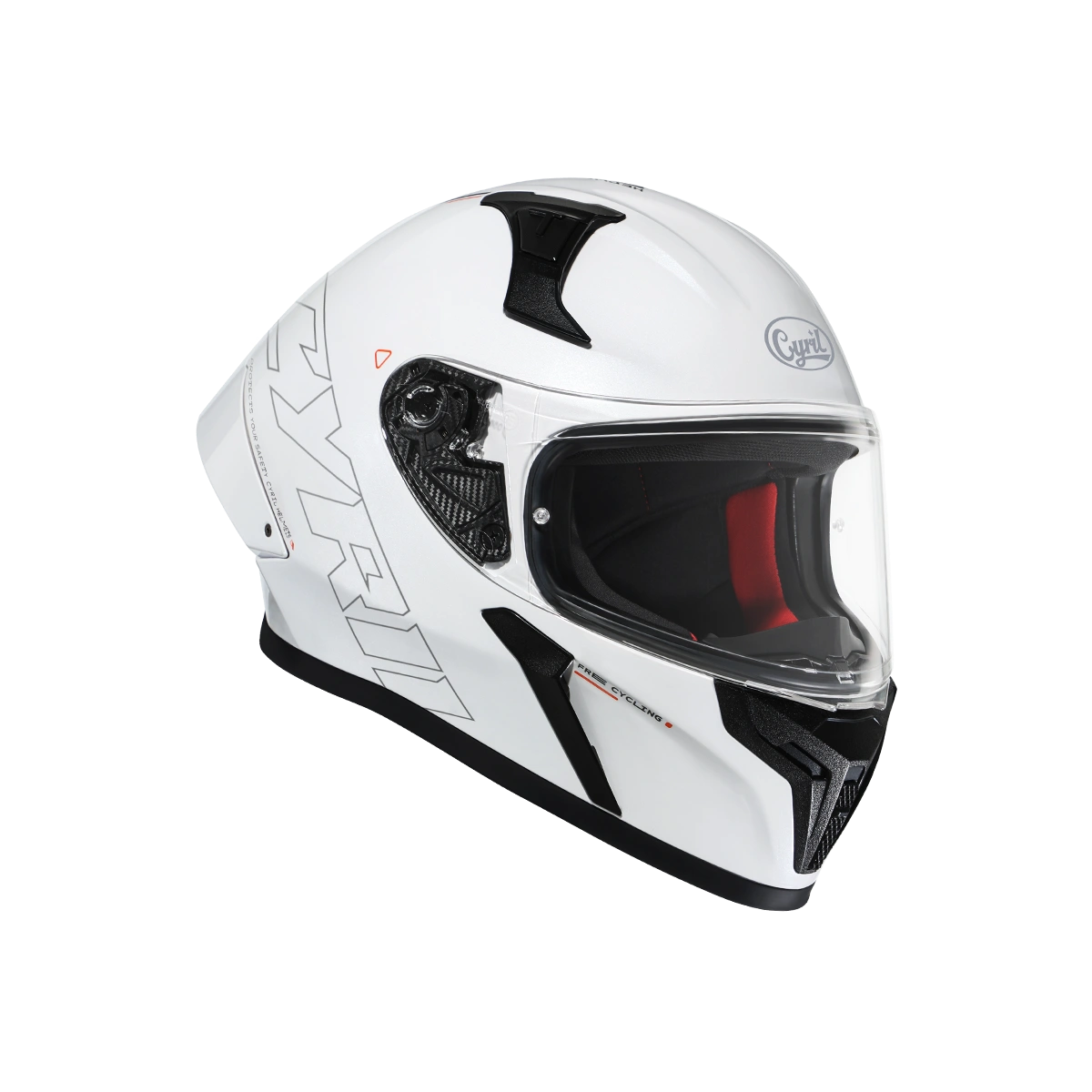
A Full-Face Reference for Lower-Edge Checks
The Mad Shark page lists a removable washable liner and adjustable quick-release retention system, both relevant when you are checking whether lower padding and strap position changed. It does not publish a quietness rating, so use it as a fit-and-feature reference, not a noise guarantee.
View current Mad Shark Full Face Helmet detailsCommon Questions About Neck Roll Wind Noise
Can the neck roll cause helmet wind noise?
Yes. If the neck roll is loose, folded, compressed, or poorly seated, air can enter from below and create noise.
What does neck-roll noise sound like?
It often sounds like low rushing, booming, or air around the ears rather than a sharp visor whistle.
Can washing the liner cause neck-roll noise?
Yes. If liner or cheek pad pieces are not reinstalled fully, the lower padding can sit unevenly.
Can a jacket collar affect the neck roll?
Yes. A high or stiff collar can push the helmet, compress the roll, or redirect air under the lower edge.
Should the neck roll seal completely?
No. Helmets still need comfort and airflow. The goal is even fit, not an airtight seal.
Can a loose helmet make the neck roll noisy?
Yes. Helmet lift or rotation can open the lower edge and make air rush around the neck roll.
Can I modify the neck roll to reduce noise?
Do not cut, glue, or stuff padding into the helmet unless the helmet maker instructs it. Check seating and support options first.
When should I replace neck roll padding?
Ask support if padding is torn, loose, badly compressed, missing snaps, or no longer sits evenly after cleaning.
Final Notes
Treat a new roar after washing pads or changing jackets as a clue, not a verdict on the whole helmet. Re-seat the lower padding, repeat the same route with one variable changed, and compare products only after the noise path is clear.