
Why Don't My Helmet Vents Feel Like They Work?

Why Don't My Helmet Vents Feel Like They Work?
Helmet vents often feel useless for three reasons: they only move air at speed, they are blocked by hair or a liner, or the slider is not actually open. Check the airflow path before blaming the helmet, because most vent complaints are setup problems, not design failures.
Vents need moving air to work, so they feel dead at stops and in slow traffic. Open the sliders fully, clear the channel, and check whether hair or the liner blocks the flow. Then test at speed before deciding the vent is broken.
This guide follows Airoh's helmet maintenance FAQ for cleaning vent channels and internal parts safely. Product details come from the official Mad Shark FF357 page.
Vents Work With Air, Not Against Stillness
The first thing to understand is that helmet vents are not fans. They channel air that is already moving past the helmet, which is why a vent feels strong at 40 mph and dead at a red light. If you judge ventilation while sitting still, every helmet on the road will fail the test.
Test at speed before you conclude anything. Ride the same stretch with vents closed, then open, and compare how your head feels.
Check the Airflow Path, Not Just the Slider
A vent has three parts: the outside opening, the channel through the shell and liner, and the inside outlet. Any one of them can be blocked. Hair piled at the crown can sit against the liner outlet, a thick balaclava can cover the chin vent, and dust can pack the outside slots after a season of riding.
Look for the opening on the inside of the liner while the helmet is off. If you cannot feel a channel under the foam where the vent should be, the liner may be covering it.
Put the helmet on with the visor open and hold your hand in front of the chin vent at speed. If you feel no air but your hand feels it outside the vent, the path inside is blocked.
Clean the Vents Without Forcing Water Inside
- Open every slider fully so you can see the slots.
- Use a soft brush or a can of dry air to clear dust from the outside openings.
- Wipe the sliders and surrounding shell with a slightly damp cloth.
- Remove the liner if possible and check the channels underneath for debris.
- Dry everything fully before refitting the liner.
Do not point a hose at the vents or rinse the shell under running water. Water that enters the channel can end up in the liner or the EPS, which is worse than a dusty vent.
Slider Position and Half-Open Settings
Some sliders have a halfway detent that looks open but barely moves air. Push each slider to its full open stop and feel the difference. In cold weather, riders often close vents and forget them; check that the sliders did not move when the helmet went on or off.
What Vents Can and Cannot Do
Vents reduce heat buildup and move humid air out, but they cannot cool a helmet like an air conditioner, and they cannot fully fix a helmet that is too hot by design. On a hot day, the realistic expectation is less stuffy, not cold. If your helmet still feels stifling with open, clean vents at speed, the helmet's ventilation design may simply not match your climate, and that is a buying consideration, not a repair.
Representative Rider Scenario: Jonah - The Bald Spot Test. Jonah thought his helmet's top vent was broken because he felt nothing at city speeds. He cleaned the slot, pushed the slider fully open, and rode the highway, where the airflow was obvious. The vent had been half-closed the whole time.
How This Applies When Choosing
Ventilation is a feature you can test before buying: open the sliders, feel the channels, and think about your riding speeds. A vent that only helps at speed is normal, but the number of sliders and how easy they are to reach still matter for daily use.
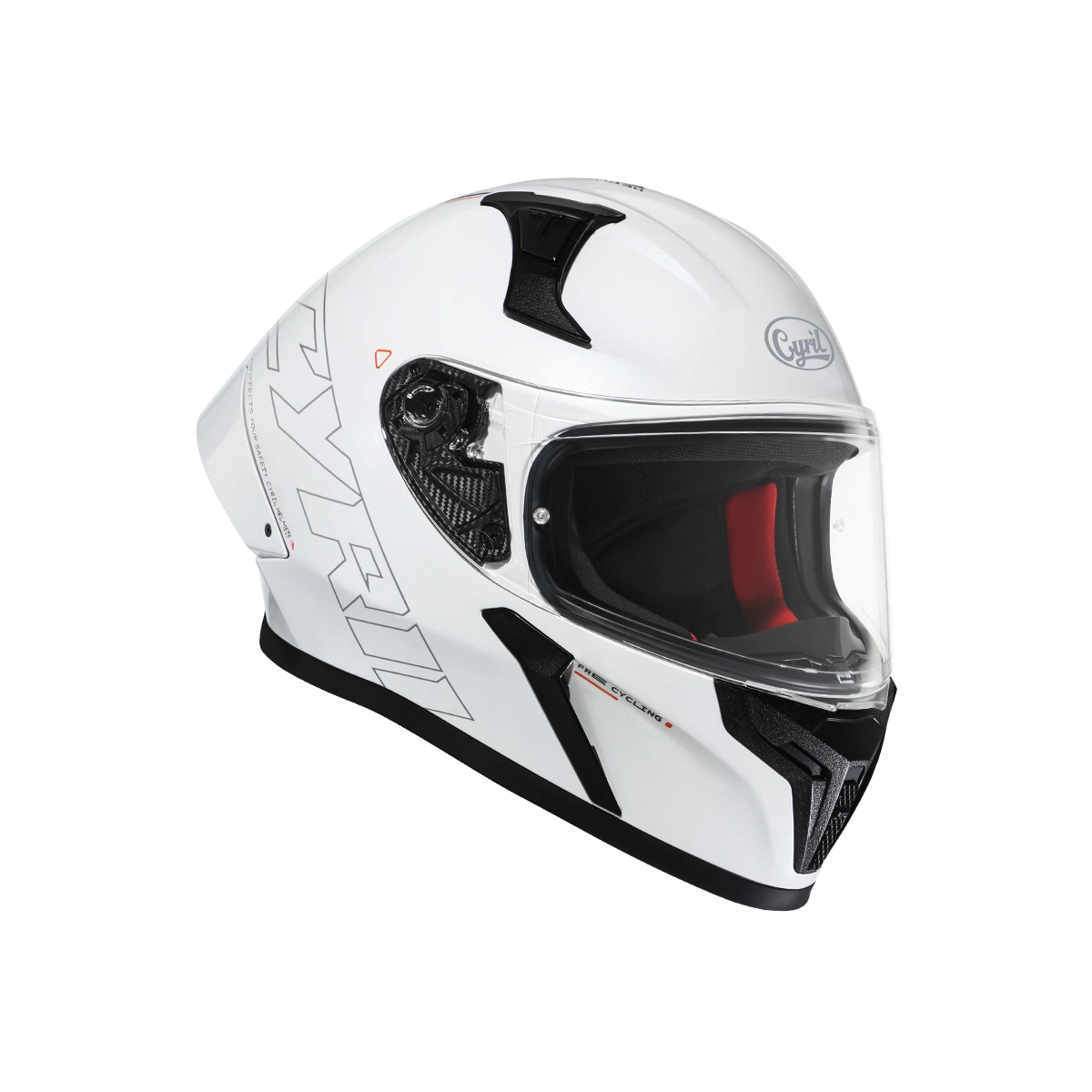
Active Ventilation You Can Verify
The Mad Shark FF357 page lists active ventilation. Test it the way this guide describes: sliders fully open, clear channels, and a ride at speed before judging how it feels.
View current Mad Shark FF357 detailsCommon Questions About Helmet Vents
Why don't my helmet vents feel like they work?
Usually the sliders are half-open, the channel is blocked by hair or dust, or you are judging airflow at a speed where vents have little effect.
Do helmet vents work when stopped?
No. Vents need moving air, so they feel dead at stops and weak in slow traffic. That is normal, not a defect.
Why do my vents feel blocked?
Dust can pack the outside slots, and hair or a balaclava can cover the inside outlets. Clean and reposition to restore flow.
How do I clean helmet vents?
Open the sliders, brush dust out with a soft brush or dry air, wipe the outside, and check under the liner without forcing water in.
Can I wash helmet vents with water?
Avoid running water. Rinsing vents can push water into the liner and EPS, which is worse than dust.
Why is my helmet hot even with vents open?
Vents reduce stuffiness but cannot fully cool a helmet. If clean open vents still feel stifling, the ventilation design may not match your climate.
Do top vents or chin vents matter more?
The chin vent feeds your face and helps visor fog, while top vents move heat off the crown. Both matter, but they do different jobs.
How can I test if my vents work?
Ride the same road with vents closed and then fully open, and compare airflow and heat. That test separates a setup problem from a design limit.
Final Notes
Open the sliders fully, clear the channel, and test at speed before assuming the vent is broken. Most vent problems are blocked paths and wrong expectations, both of which are fixable.