
How Do I Make My Motorcycle Helmet Quieter Without Buying a New One?

How Do I Make My Motorcycle Helmet Quieter Without Buying a New One?
Most helmet noise is airflow finding a gap or a surface to sing against, so the fixes start with fit, seals, vents, and riding position. Work through the noise audit in order; you can often cut a surprising amount of noise before you ever think about another helmet.
Audit the fit first, close visor and vent gaps, seat a chin curtain or neck roll, and test your posture and windscreen. Earplugs protect your hearing on noisy rides. Only after those checks should you consider whether a new helmet is the answer.
This guide uses NHTSA's helmet guidance and Snell Foundation fit guidance for the fit and retention checks behind wind noise. It builds on our existing guides on why helmets get loud, chin curtains and wind noise, and earplugs for loud helmets.
Run the Noise Audit in This Order
- Check the fit: a helmet that moves on your head lets air in and out with every bump.
- Seat the visor fully and check the seal around the edges.
- Close the vents one at a time and ride the same stretch to hear the difference.
- Check the chin curtain, neck roll, and strap position.
- Change your posture and windscreen height and compare.
Change one variable per ride. If you fix everything at once, you will not know which gap was making the noise, and you will repeat the same mistake on the next helmet.
Fit Comes First Because It Controls Every Seal
NHTSA and Snell both emphasize that a helmet must fit correctly and not move around on the head. A loose helmet shifts in the wind, breaks its seals, and lets air roar around the edges. If your helmet moves when you shake your head, the first "noise fix" is actually a fit fix: cheek pads, liner thickness, and strap position.
A helmet that fits well can still be loud, but a helmet that fits badly is loud no matter what else you do.
Close the Gaps You Can Control
The visor is the biggest controllable gap. Close it fully and check that the seal sits evenly; a visor left a notch open is a wind whistle waiting to happen. A chin curtain, where the helmet supports one, blocks the opening under your chin and can noticeably reduce lower-edge noise, which is why we cover it in a separate guide.
Check the neck roll and the area around your ears too. If the liner has gaps where the cheek pads meet the lower edge, air moves inside the shell, and that internal airflow is the noise you hear as "wind roar."
Accessories add gaps as well. Glasses arms that lift the cheek pad, a communicator mount that breaks the shell line, or a visor that does not sit flush after a replacement can all turn a quiet helmet noisy. Test the helmet with and without your usual gear before deciding the helmet is the problem.
Vents Are a Trade, Not a Setting
Vents cool you and make noise. At highway speed, closing the top and chin vents often reduces the rush of air near your ears, and you can open them again at lower speeds or in traffic. The trade is real: a quieter helmet is often a warmer helmet, so choose vent settings by the ride, not by habit.
Posture and Windscreen Change Everything
Helmet noise depends on where the air comes from. A windscreen that ends at helmet height throws turbulent air at your ears, and an upright position puts more of the shell into clean wind. Try tucking slightly or adjusting the screen before blaming the helmet; the same helmet can be quiet on one bike and loud on another.
Representative Rider Scenario: Luca - The Screen Fix. Luca thought his helmet was the loudest he had owned until he rode the same bike with the windscreen two inches lower. The turbulence dropped, and the helmet went from roaring to acceptable. He kept the helmet and changed the screen instead.
Protect Your Hearing While You Fix the Noise
Fixing a loud helmet takes rides, and those rides are noisy. Earplugs designed for riding reduce the noise reaching your ears without blocking important sounds, and they are a legitimate part of the answer, not a surrender. See our earplug guide for the tradeoffs before you ride without hearing protection.
What Not to Do
Do not stuff foam into the shell, tape over vents permanently, or drill anything. Those "fixes" change the helmet's airflow and structure without any testing, and some of them can compromise the shell. If the noise audit is done and the helmet is still too loud for you, the honest answer is a quieter helmet, not a modified one.
How This Applies When Choosing
If you have worked through the audit and decided a new helmet is the way, the noise question becomes: how does the shell and fit behave in your riding position? Test the helmet on your bike if you can, not just in a shop.
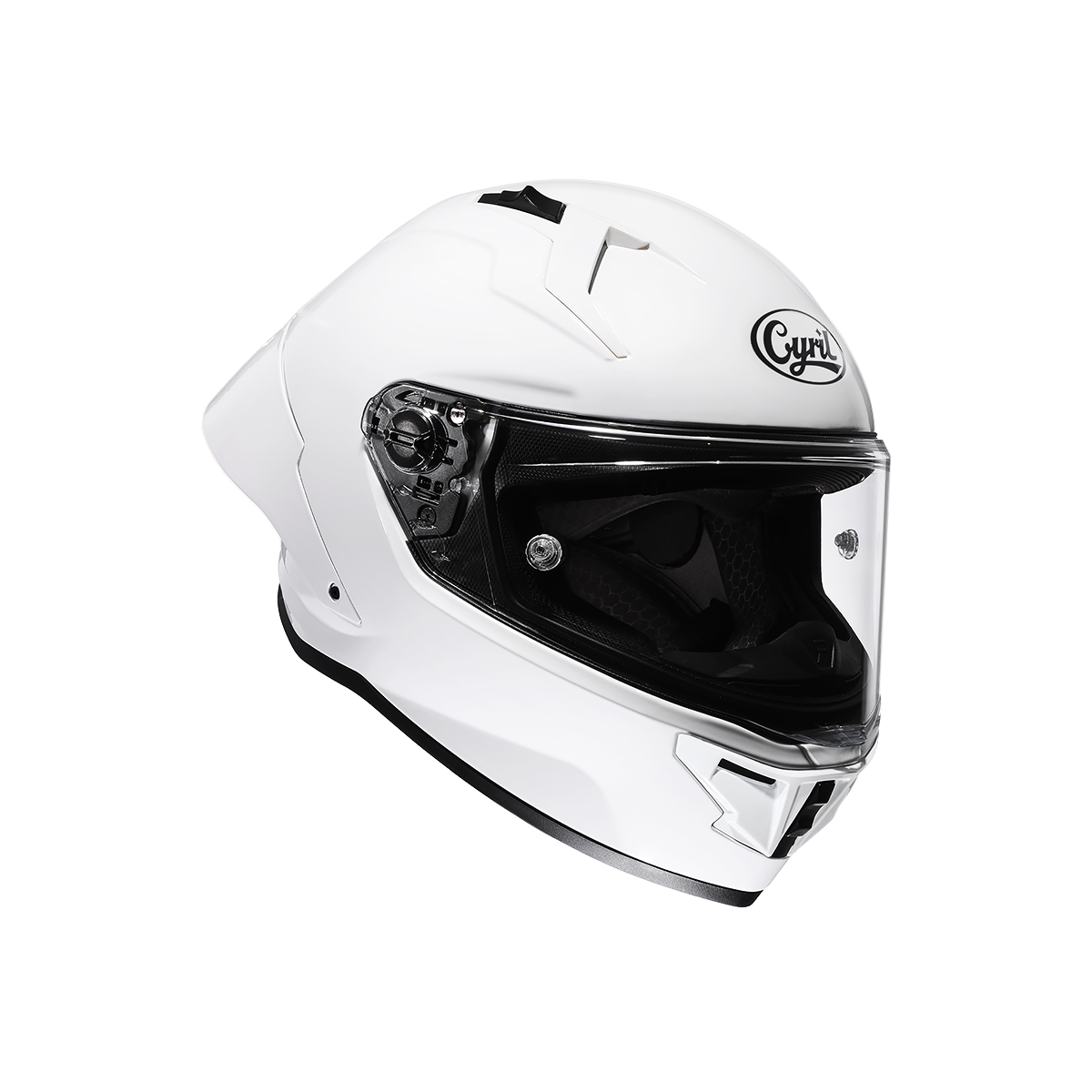
A Shell Shape to Test in Your Own Airflow
The R1-PRO page lists an aerodynamic shell shape and rear spoiler. Treat that as a reason to test the helmet in your riding position, not as a promise of silence; fit, screen height, and posture still decide what you hear.
View current R1-PRO Full Face Helmet detailsCommon Questions About Making a Helmet Quieter
How can I make my motorcycle helmet quieter?
Audit the fit, seat the visor, close vents at speed, check the chin curtain and neck roll, and test posture and windscreen height.
Why is my helmet loud even with the visor closed?
Noise can come from fit gaps, vents, the neck opening, or turbulent air from the windscreen, not just the visor seal.
Does closing vents reduce helmet noise?
Often yes at speed, because vents are airflow openings. The trade is less ventilation, so choose settings by the ride.
Will a chin curtain make my helmet quieter?
It can, by blocking the opening under your chin and reducing lower-edge turbulence. It works best with a properly seated fit.
Should I wear earplugs with a loud helmet?
Yes, riding earplugs protect your hearing while you work on the noise. They are part of the solution, not a sign of defeat.
Why is my helmet loud on one bike but quiet on another?
Windscreen height and riding posture change the airflow around the shell, so the same helmet can behave differently on different bikes.
Can I add padding or foam to reduce noise?
Do not. Unapproved padding and shell modifications change the helmet without testing and can compromise its structure.
When should I replace a noisy helmet?
After the full audit, if the helmet still does not fit and the noise bothers you on every ride. Choose the replacement by testing it in your riding position.
Final Notes
Fit, seals, vents, posture, and hearing protection are the free fixes. Run them in order before spending money, and if a new helmet is the end of the audit, test it in your own airflow rather than trusting a spec sheet.