
Why Does Rain Drip Down My Neck Under My Helmet?

Why Does Rain Drip Down My Neck Under My Helmet?
Rain reaches your neck through the gap between the helmet's lower edge and your collar, or it runs down the shell and into the opening at the chin. The fix is a combination of helmet position, collar management, and a chin curtain or rain cover that closes that gap.
Close the gap at the neck: seat the helmet correctly, manage your rain jacket collar, use a chin curtain or helmet cover, and angle your head naturally in the rain. Dry the helmet fully after the ride.
This guide follows Airoh's helmet care guidance for cleaning and drying a helmet after wet riding. Water entry depends on the helmet fit, collar setup, and weather, so the checks here are practical rather than a promise that any helmet is waterproof. Product details come from the official Mad Shark page.
Where the Water Is Coming From
Rain rarely falls straight down a full-face helmet. It runs down the shell, builds at the lower edge, and then finds the path of least resistance. The two usual entry points are the back of the neck, where the helmet edge meets your collar, and the chin area, where water drips off the shell and into the opening as you ride.
Speed changes the path. At speed, water is pushed by wind and runs across the shell; at stops, it collects and drips straight down, which is why some riders only notice the drip at red lights.
Check the Helmet's Position First
A helmet that sits too high leaves a bigger gap at the back of the neck, and a helmet that tilts forward leaves the chin area exposed. Seat the helmet level, with the lower edge following your skull, and check the gap at the back before you ride. The same position fixes that keeps the helmet stable in wind also keeps more rain out.
The Collar Is Half the Battle
A rain jacket collar that stands up and closes around the helmet's lower edge stops most of the back-of-neck drip. The collar should sit against the helmet, not fold down under it. If your collar is loose or floppy, a neck gaiter worn below the helmet can fill the gap, and a jacket with a hood-free collar does better in rain than a hooded shell that bunches up.
At the chin, the opposite trick matters: tuck the collar or gaiter so water running down the shell does not channel into the opening. Water follows fabric, so a collar that sticks out too far can act as a funnel.
Representative Rider Scenario: Eli - The Collar Gap. Eli rode through a downpour and arrived with a wet collar and shoulders. At home he found the rain was running off his jacket's loose collar and into the back of the helmet. A stand-up collar and a thin neck gaiter closed the gap, and the next rain ride stayed dry.
Helmet Features That Close the Gap
A chin curtain, where a helmet has one, blocks airflow and water at the chin opening. A helmet cover or rain hood that fits over the shell does the same job from the outside, shedding water before it reaches the lower edge. Neither makes a helmet waterproof, but both reduce how much water gets a path inside.
Dry the Helmet Before Next Ride
Once water gets inside, drying is the job. Remove the liner if it is removable, wipe the shell, and let the helmet air out fully in a ventilated area away from direct heat, following the maker's guidance. A helmet that goes back into storage wet is a helmet that smells and breeds mold by next week.
Water also finds small places: vent sliders, visor pivots, and the chin bar mechanism. After a heavy rain, open and close the vents and visor a few times while the helmet dries so water does not sit inside the moving parts, and check the liner and padding at the lower edge, where the drips collect first.
How This Applies When Choosing
No helmet is fully rain-sealed, so the buying questions are practical: how the lower edge sits on your neck, whether a chin curtain is available, and how easy the liner is to remove and dry after wet rides.
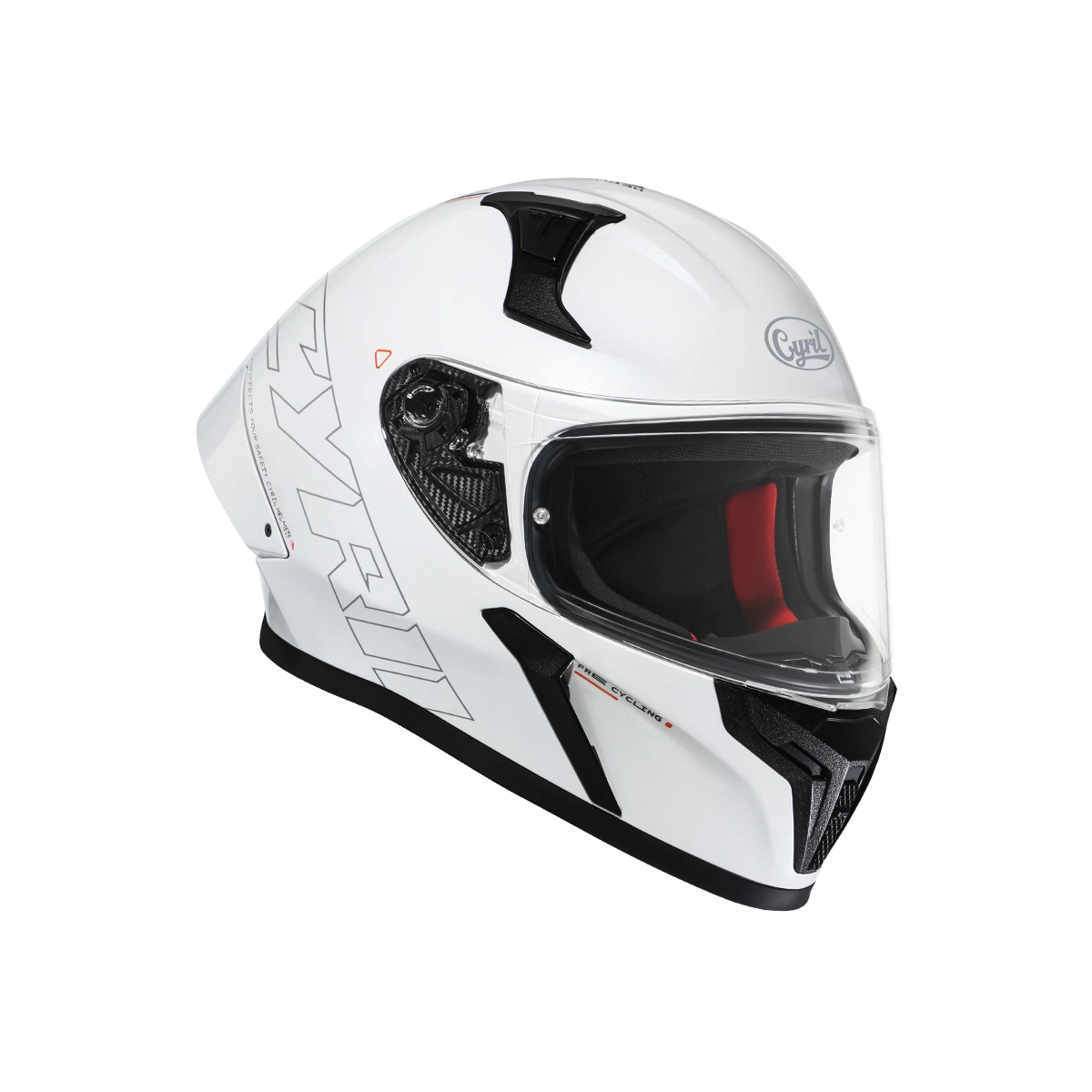
A Helmet You Can Dry Properly After Rain
The Mad Shark FF357 page lists a removable, washable liner. When rain does find its way in, that liner makes drying and cleaning practical instead of a multi-day smell problem.
View current Mad Shark FF357 detailsCommon Questions About Rain and Neck Drips
Why does rain drip down my neck under my helmet?
Water runs down the shell and enters through the gap between the helmet's lower edge and your collar, usually at the back of the neck or the chin.
How do I stop rain going down my neck?
Seat the helmet level, use a stand-up collar or neck gaiter that meets the helmet edge, and consider a chin curtain or helmet cover.
Does a chin curtain stop rain from dripping in?
It blocks airflow and water at the chin opening, which reduces the drip, but it does not make the helmet waterproof.
Should my rain jacket collar go inside or outside the helmet?
The collar should stand up and meet the helmet's lower edge from outside, so water runs over it instead of into the gap.
Why does water run down my neck even with a full face helmet?
The lower edge still has openings at the neck and chin. Rain finds those gaps no matter how much shell covers your face.
Can a helmet cover keep my neck dry?
A cover sheds water before it reaches the lower edge, which helps a lot, especially at stops where water collects.
How do I dry my helmet after a rain ride?
Remove the liner if possible, wipe the shell, and air dry in a ventilated area away from direct heat until completely dry.
Is a wet liner a problem?
Yes, if it stays wet. A damp liner smells, breeds mildew, and can change fit. Dry it fully before the next ride.
Final Notes
Water follows gaps, so close the gaps: seat the helmet, stand the collar up, and use a chin curtain or cover in heavy rain. Then dry the helmet fully, because the rain that got in should not stay in.